
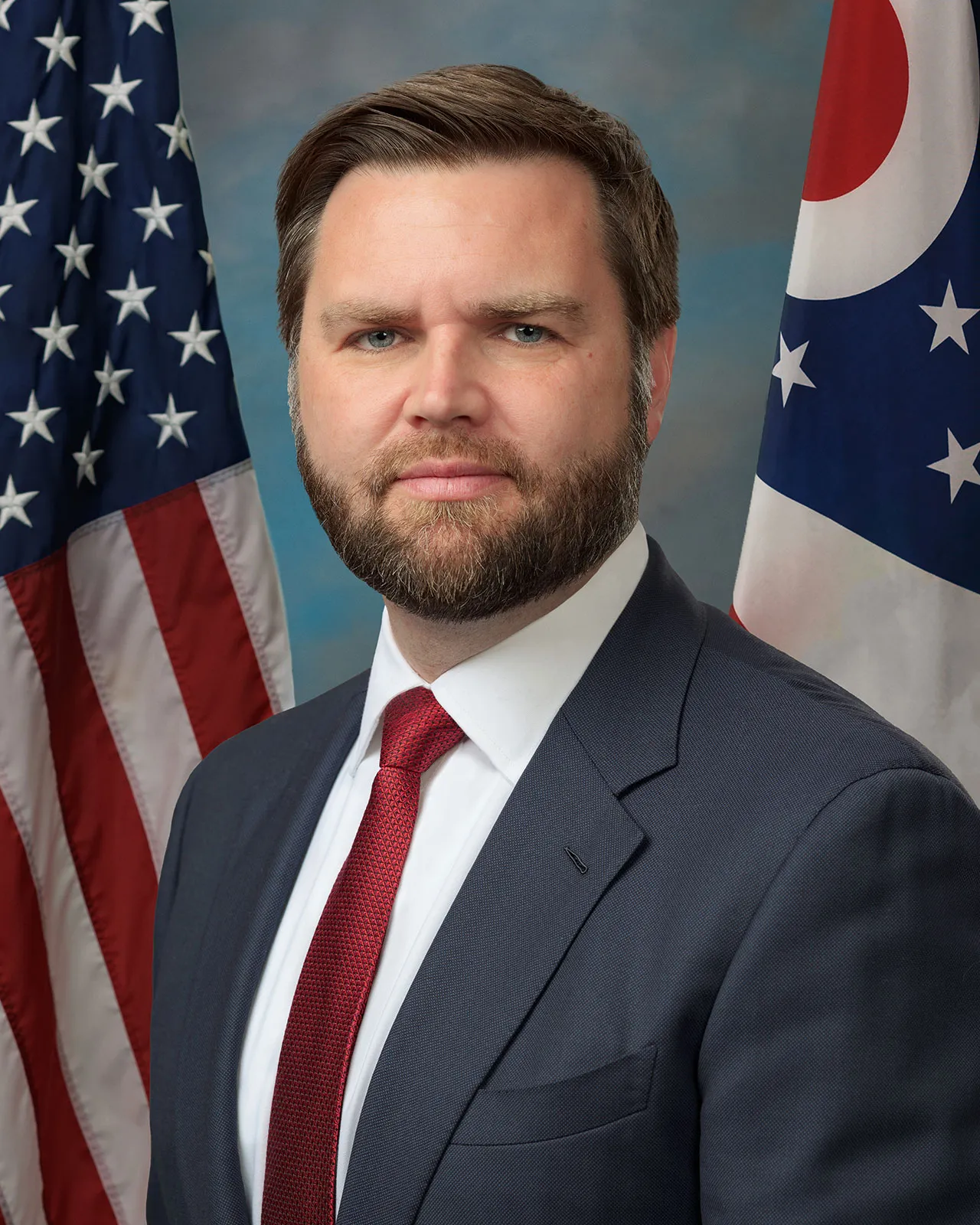
Peace talks led by Vice President JD Vance signal a pivotal shift in Iran conflict diplomacy. The assignment elevates a known war skeptic to center stage during fragile international negotiations today.
The Iran peace talks now represent the administration’s most significant attempt to de-escalate a costly conflict. Officials increasingly view this diplomatic push as crucial for stabilizing tensions and restoring global confidence.
President Donald Trump initiated the conflict weeks ago, yet resolution efforts have faced persistent setbacks. Consequently, leaders now rely on Vance to reshape negotiations and present a more credible diplomatic posture.
The Iran peace talks unfold in Islamabad, where mediators hope progress can emerge despite ongoing distrust. Pakistani officials encouraged Vance’s leadership role, believing his skepticism could reassure Iranian negotiators involved.
Meanwhile, Vance has actively coordinated with international partners, holding extensive calls to align negotiation strategies. He continues emphasizing cautious diplomacy while signaling willingness to respond firmly if discussions collapse.
However, tensions remain high as ceasefire violations threaten to derail already delicate diplomatic progress. Additionally, critical waterways remain disrupted, further complicating economic and geopolitical stability across the region.
Iranian representatives demand specific concessions before engaging, including financial relief and broader ceasefire guarantees. These preconditions highlight the complexity facing negotiators attempting to balance competing national interests carefully.
The Iran peace talks also carry domestic implications as economic pressures intensify within the United States. Rising energy costs and inflation increasingly influence public opinion regarding the continuation of military engagement.
Polls indicate declining support for the conflict, with many Americans expressing concern over prolonged instability. As a result, political stakes surrounding the negotiations continue rising ahead of future electoral contests.
Supporters argue that Vance’s background provides unique insight into economic hardships affecting ordinary citizens nationwide. They believe his perspective may encourage more pragmatic decisions focused on reducing long-term burdens.
Critics remain skeptical, warning that previous negotiation attempts collapsed amid renewed military escalations. Therefore, they caution against expecting immediate breakthroughs from the current round of discussions underway.
Despite uncertainty, some analysts suggest incremental progress could still mark meaningful advancement toward eventual peace. They emphasize that sustained dialogue often produces results gradually rather than through dramatic, immediate agreements.
The Iran peace talks test both diplomatic resolve and political credibility for the administration moving forward. Success could strengthen leadership standing, while failure may deepen skepticism about strategic decision-making overall.
Vance approaches the negotiations, acknowledging risks yet maintaining cautious optimism about potential outcomes ahead. He underscores the importance of good faith engagement while preparing for challenges that could quickly arise.
Ultimately, the coming days will determine whether diplomacy can succeed where military action has struggled previously. Observers worldwide continue watching closely as negotiations attempt to reshape the trajectory of this ongoing conflict.

