
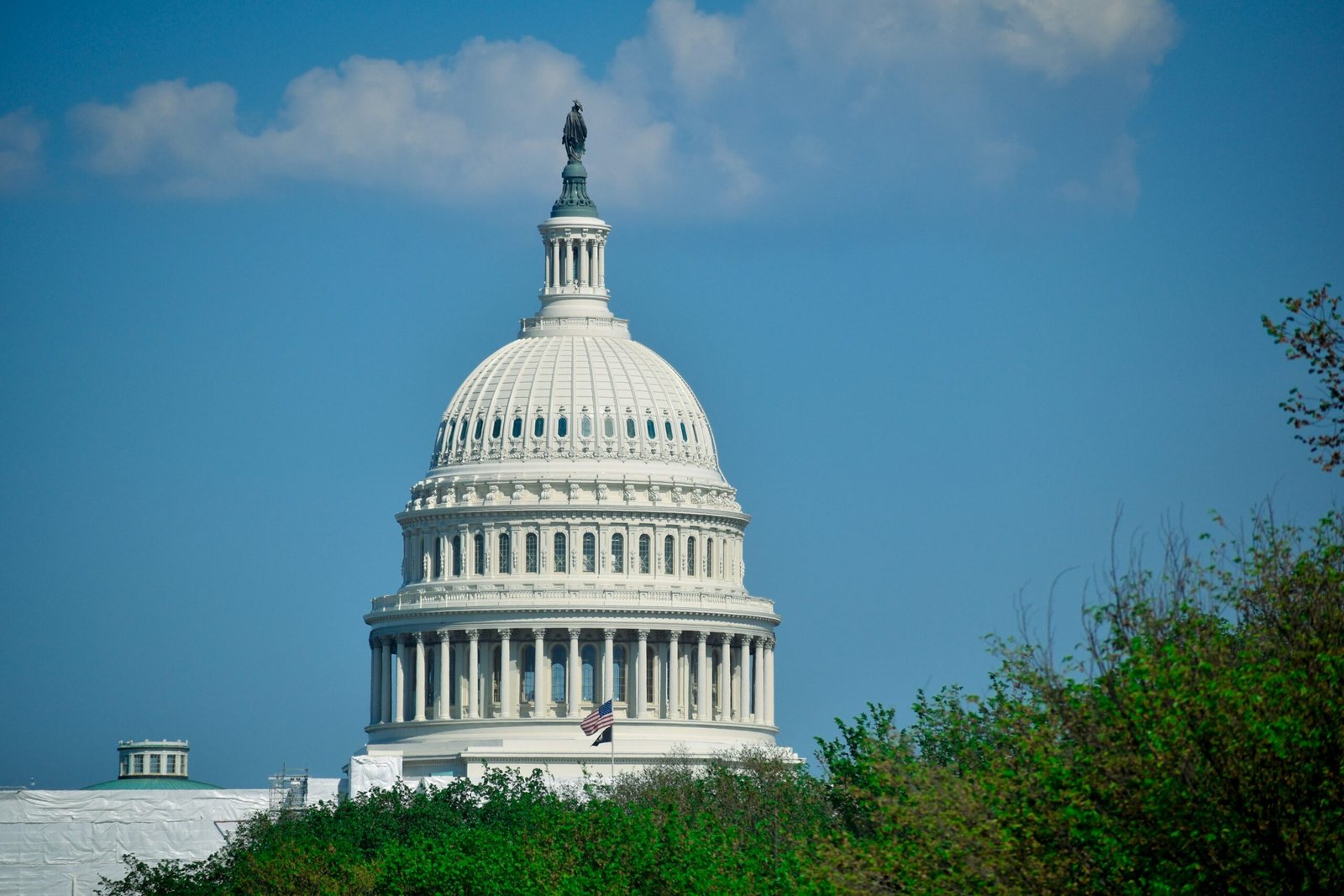
Congress drew intense attention as pro forma sessions became critical amid the ongoing DHS funding shutdown crisis. Normally brief, procedural meetings gained significance because lawmakers failed to resolve the impasse affecting the Department of Homeland Security. Reporters flooded Capitol halls, eager to witness potential legislative action during sessions usually lasting mere seconds.
Pro forma sessions, derived from Latin meaning “a matter of form,” satisfy constitutional requirements for Congress. Article I, Section 5 mandates that the House and Senate meet every three days unless both chambers approve adjournment. Without agreement on an adjournment resolution, Congress must convene even during recess periods, often resulting in brief, perfunctory meetings.
On Tuesday, the Senate convened at 10:33 a.m., presided by Senator John Hoeven, R-N.D., and adjourned after 31 seconds. Only Senator Chris Coons, D-Del., was present besides Hoeven, and no legislative action occurred. Technically, this met the pro forma requirement while leaving the DHS funding issue unresolved for lawmakers and the public.
House Republicans pushed for alignment with the House-passed DHS funding bill, designed to secure two months of agency resources. However, procedural disagreements prevented immediate approval and prolonged the shutdown. Pro forma sessions usually involve a skeleton crew of lawmakers and staff, but media coverage elevated their importance this week.
By Thursday, House Speaker Mike Johnson, R-La., reversed his earlier position and agreed to the Senate-passed DHS funding plan. Senate Majority Leader John Thune, R-S.D., joined Johnson in a joint statement endorsing the measure to restore federal agency operations. The direct involvement of both leaders was rare for a pro forma session, showing the shutdown’s urgency.
Observers noted that the unusual media presence and leadership participation made these sessions highly unusual. The DHS funding crisis, combined with procedural requirements, created a situation where even perfunctory sessions could affect national security. Congressional rules, party negotiations, and formalities intersected during these brief, high-profile meetings.
Although Tuesday’s session involved no votes, later sessions marked a turning point in legislative coordination to end the DHS shutdown. Analysts say this shows the complex interaction between constitutional mandates and practical politics. Lessons from this week may shape how future recesses and procedural sessions are managed in Washington.

