
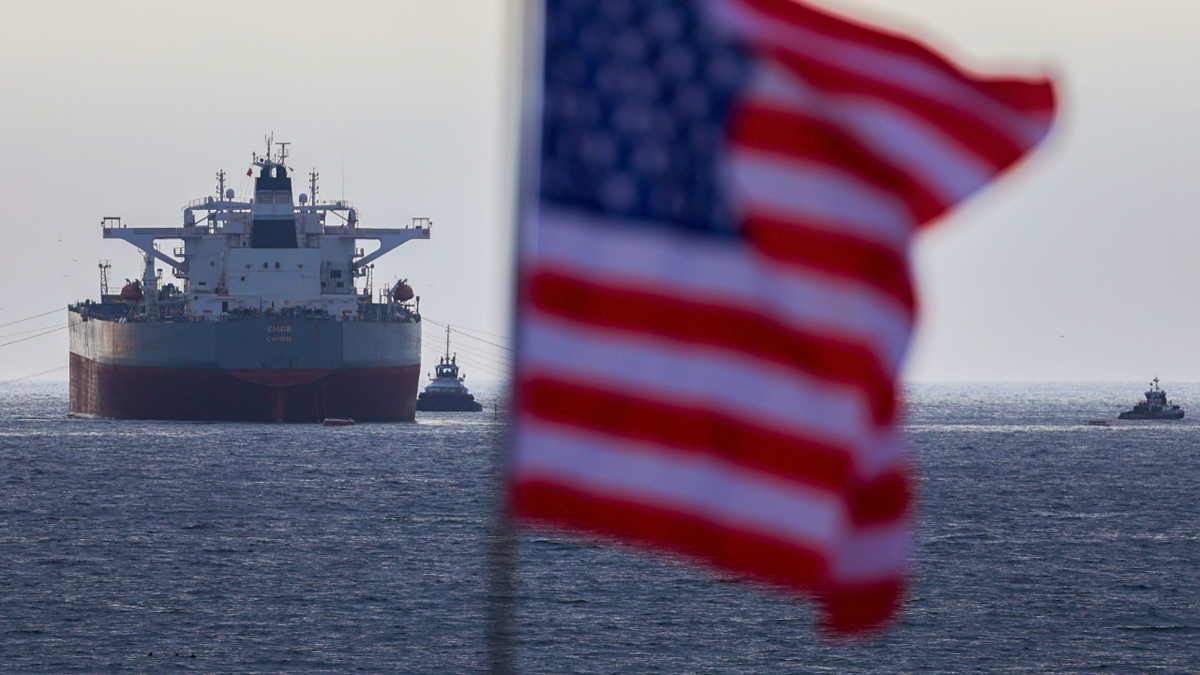
Rising tensions in the Middle East are pushing the White House to consider oil shipping insurance. President Donald Trump is examining government-backed insurance measures to stabilize tanker traffic. Officials hope the policy prevents major disruptions to global energy flows during the ongoing conflict. The strategy focuses on keeping vessels moving through critical maritime routes despite escalating military tensions.
Energy markets remain highly sensitive because the Strait of Hormuz carries enormous global oil shipments. The narrow waterway connects the Persian Gulf to the Gulf of Oman and international markets. Roughly twenty million barrels of oil pass through the Strait each day globally. In addition, the route transports about one-fifth of the worldwide liquefied natural gas supply. Consequently, any disruption immediately unsettles traders, investors, and governments dependent on stable energy supplies.
Against that backdrop, officials increasingly view oil shipping insurance as a tool to stabilize tanker movement. Under the proposal, the United States government would help absorb large losses from attacks. That financial guarantee could reduce war risk premiums charged by private insurers significantly. Lower premiums would encourage shipping companies to keep vessels traveling through the volatile corridor.
Insurance plays a crucial role in maritime commerce because vessels require coverage before entering risky waters. When military threats increase, insurers raise prices sharply or cancel policies entirely. Shipping firms then add surcharges for slow operations or reroute vessels away from dangerous zones. Those changes quickly tighten global supply and drive oil prices higher worldwide.
Recent fighting across the region intensified concerns among shipping companies and insurance providers. Military strikes targeting Iranian facilities triggered retaliatory missile and drone attacks across nearby areas. As a result, tanker operators now question whether sailing through the Strait remains safe. Insurance companies, therefore, reassess risk calculations and coverage availability for voyages near Iranian waters.
Several major maritime insurers have already responded by tightening or canceling war risk coverage recently. Industry groups, including Gard Skuld NorthStandard the London P&I Club, and the American Club, acted quickly. Their decisions leave some voyages near Iranian waters temporarily without protection from potential losses. Meanwhile, other insurers continue coverage but closely monitor developments across the region.
Analysts emphasize that oil shipping insurance remains a basic requirement for vessels entering the Strait. Tankers cannot legally operate in high-risk shipping lanes without valid maritime insurance policies. However, coverage alone cannot eliminate the dangers facing crews navigating potential missile threats. Consequently, many shipping executives remain cautious about sending vessels through active conflict zones.
Major freight companies also signal growing concern about safety along the vital shipping corridor. Global shipping giant Maersk announced it will temporarily halt vessel crossings through the Strait. The company warned that delays may affect cargo shipments heading to ports across the Arabian Gulf. Industry observers say such decisions can rapidly affect global supply chains and fuel markets.
Ultimately, the success of oil shipping insurance measures may determine how markets react next. If tanker traffic continues smoothly, global oil prices could remain relatively stable. However, prolonged disruptions could slow deliveries and push fuel prices higher internationally. Until stability returns, the world’s most important energy corridor will remain under intense scrutiny.

