
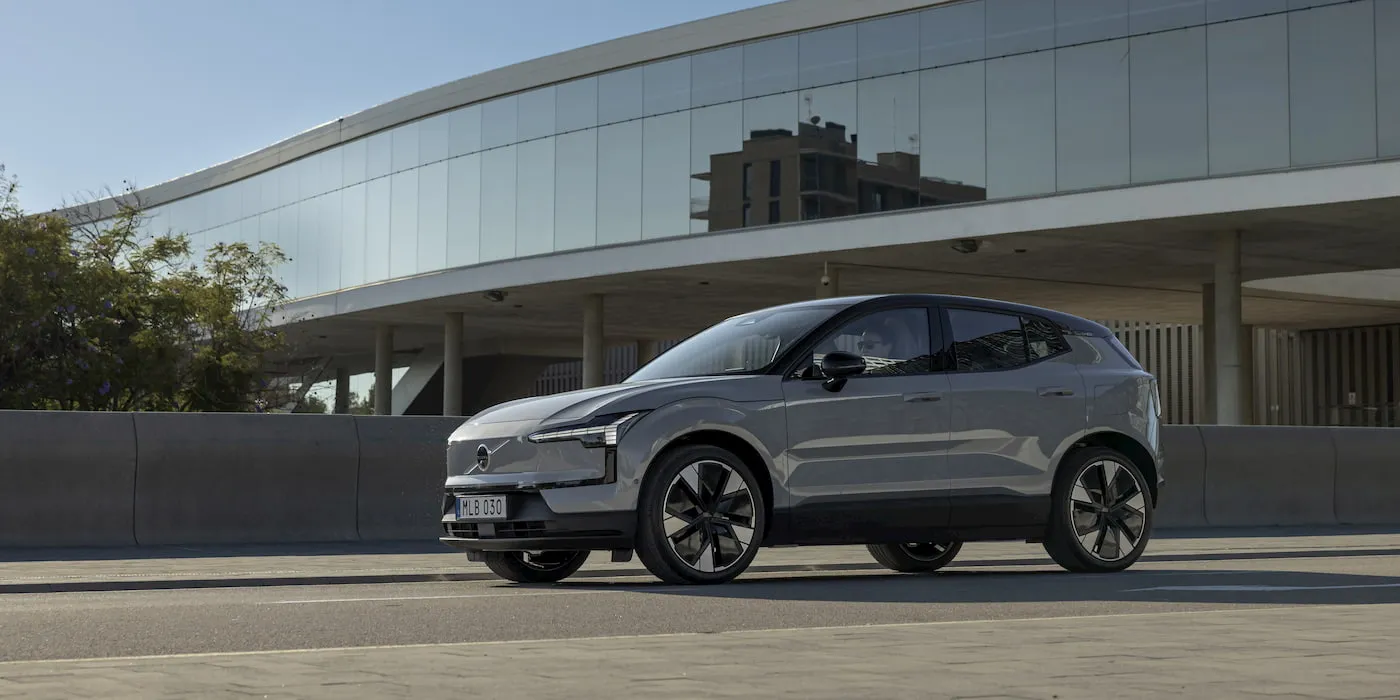
The recall affects 40,323 model year 2024 to 2026 EX30 Single-Motor Extended Range and Twin-Motor Performance vehicles equipped with high-voltage battery cells. The EX30 represents a key model in Volvo’s strategy to expand its electric vehicle lineup and compete with lower-cost Chinese rivals.
According to the company, investigations revealed that in rare cases, the battery packs could overheat when charged to high levels. In a worst-case scenario, overheating could trigger a fire inside the battery system.
In addition, the automaker advised drivers to park their vehicles away from buildings as a precaution. Volvo first notified customers in December across more than a dozen countries, including the United States, Australia, and Brazil.
Of the total recalled vehicles, Volvo identified 189 units located in the United States that require inspection and potential repair. The company confirmed it will replace affected battery modules free of charge. Furthermore, Volvo stated it is working closely with its battery supplier to ensure replacement units resolve the defect.
The battery cells were produced by Shandong Geely Sunwoda Power Battery Co., a joint venture backed by Volvo’s majority owner, Geely. Volvo indicated that the supplier has corrected the production issue and will provide updated battery components.
Financial analysts have speculated about the potential cost of the recall. A Reuters estimate suggested expenses could reach approximately $195 million, excluding logistics and labor costs. However, Volvo described those projections as speculative and said discussions with the supplier remain ongoing.
The recall comes as Volvo continues balancing its electric ambitions with brand expectations for safety. Industry veteran Andy Palmer noted that Volvo’s reputation for safety leaves little margin for product failures. As competition intensifies in the global EV market, the company now faces pressure to resolve the issue swiftly while maintaining consumer trust.

