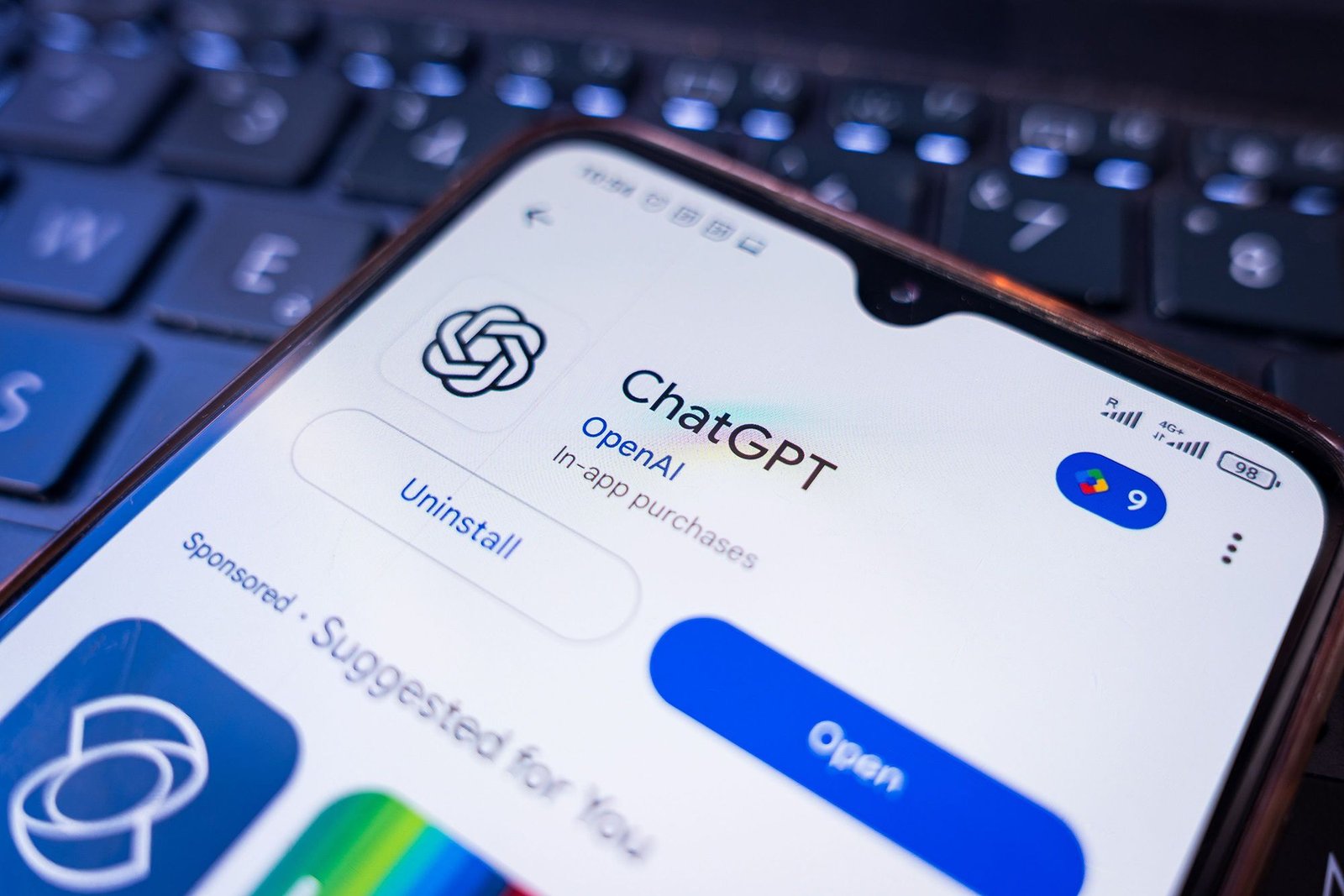
OpenAI will soon begin testing ChatGPT ads in the United States. The company announced this new monetization strategy on Friday. This move aims to generate significant new revenue streams. The upcoming tests will target free and lower-tier subscribers. However, higher-paying subscription tiers will remain advertisement-free. ChatGPT ads will appear at the bottom of certain answers. Their placement will depend on the user’s current conversation topic. The company promises these sponsored messages will be clearly labeled.
Therefore, OpenAI emphasizes its commitment to user privacy and control. The new ChatGPT ads will not influence the AI’s actual responses. All conversations will remain completely private from advertisers. The company states it will never sell user data. Sponsored content will not appear near sensitive subject areas. Topics like health, mental health, and politics are exempt. Accounts for users under eighteen will also not see advertisements. Individuals can disable a personalization feature for more privacy. A paid, ad-free subscription tier will remain available.
Moreover, this strategic shift comes ahead of an anticipated initial public offering. OpenAI currently relies heavily on subscription revenue. The platform boasts an estimated eight hundred million weekly users. Advertising could unlock a massive new income source. The company faces enormous future infrastructure costs. It plans to spend over one trillion dollars on AI by 2030. Therefore, diversifying revenue is a critical business priority. The introduction of ChatGPT ads represents a key step.
However, Industry analysts note potential risks with this approach. Some users may opt for rival chatbots that promise no ads. Competitors might now clarify their own monetization philosophies. OpenAI states it will learn from user feedback during testing. The company promises to refine the advertising experience over time. Its long-term focus remains on building valuable paid products. A diverse revenue model could make advanced AI more accessible. The initial test will help gauge user tolerance for sponsored content.
Furthermore, the rollout will begin in the coming weeks for American users. Affected individuals will see clearly marked sponsored sections. They can also dismiss ads they find irrelevant or intrusive. Moreover, OpenAI reiterates that its core commitment to users is unchanged. The balance between accessibility and experience is delicate. Therefore, the success of ChatGPT ads will depend on user reception. This experiment marks a new chapter for the popular AI assistant.