
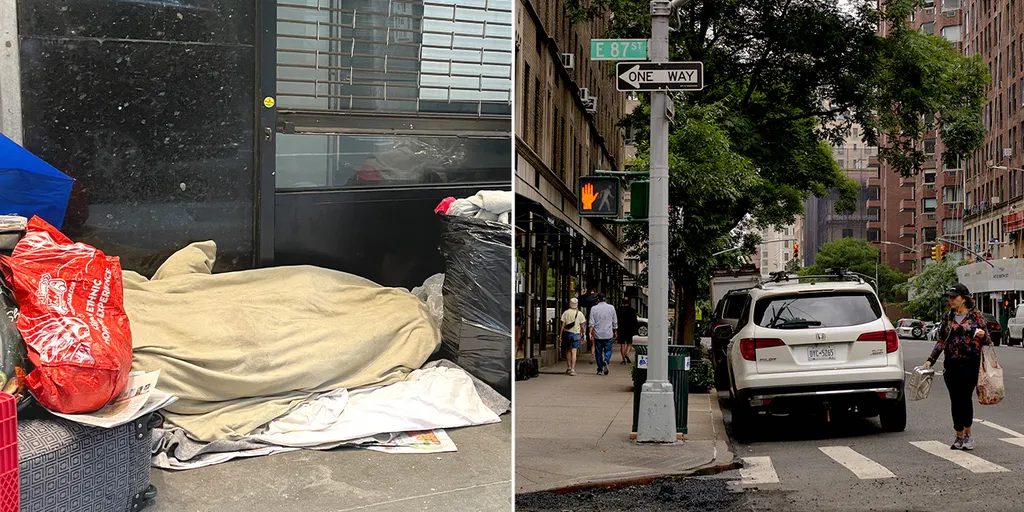
A controversial homeless shelter slated to open this spring on the Upper East Side ignited explosive community backlash Monday night. More than 200 residents packed a Community Board 8 Manhattan meeting to oppose the women’s facility near multiple schools and daycares. Therefore, the shelter will house up to 250 women in a converted men’s center. City officials initially told community leaders the project was indefinitely shelved in early 2025. They then announced its completion was imminent in January 2026. Residents accused officials of deliberately concealing the project timeline.
The controversial homeless shelter now faces organized opposition from parents, business owners, and longtime neighborhood residents. Bonnie Barend stood before the board and demanded answers about the site selection process. She criticized what she described as deplorable treatment of concerned citizens at the meeting. Barend insisted residents care deeply about community safety and children’s welfare. She rejected any suggestion that opposition stems from indifference toward homeless individuals. Moreover, the crowd erupted in applause after her remarks.
Tensions escalated dramatically when Housing Solutions of New York Chief Program Officer Xellex Rivera addressed criminal history screening procedures. Rivera explained the organization asks incoming residents about their criminal backgrounds. She acknowledged the facility cannot conduct full criminal background checks on new arrivals. Rivera confirmed staff can only consult sex offender registries before admission. However, a resident immediately shouted unacceptable from the audience. Rivera conceded the point and agreed the limitation presents legitimate concerns. The exchange underscored deepening distrust between community members and shelter operators.
Parents raised specific fears about the facility’s proximity to educational institutions. Several speakers noted the shelter sits within walking distance of multiple schools. One father referenced a recent violent incident at a Long Island City shelter. Furthermore, he argued the city has not learned from past tragedies involving homeless housing. Other residents questioned the wisdom of locating the facility near a Home Depot. They suggested tools purchased there could become weapons in the wrong hands. Some demanded armed security guards patrol the premises at all hours.
Board member Todd Stein openly criticized the meeting’s chaotic atmosphere. He described the session as unfortunately not well run at all. Stein expressed frustration that the community received only three weeks notice about the active project. He acknowledged the process left residents feeling blindsided and disrespected. His honest assessment earned murmurs of agreement throughout the auditorium. Even board chairperson Valerie Mason conceded the meeting started poorly. She attributed the hostility to hot tempers rather than unwillingness to understand procedures.
City representatives emphasized the urgent need for homeless services in underserved districts. Also, they highlighted the center’s proposed security measures including strict curfews and exclusion policies. Women on probation or parole for sex offenses will not qualify for admission. Despite these assurances, residents remained deeply skeptical. Many vowed to continue fighting the controversial homeless shelter through legal and political channels. Several attendees announced plans to contact elected officials immediately. Others promised to organize additional community actions before the April opening.
The controversy reflects broader tensions over homeless housing placement throughout New York City. Affluent neighborhoods increasingly resist facilities they view as improperly sited. City officials struggle to balance equitable service distribution with community input requirements. The Upper East Side confrontation demonstrates how notification timing affects public reception. Residents expressed willingness to participate honestly in transparent processes. They rejected what they perceived as deliberate information suppression. Finally, the controversial homeless shelter now opens under a cloud of organized opposition and lingering resentment.