
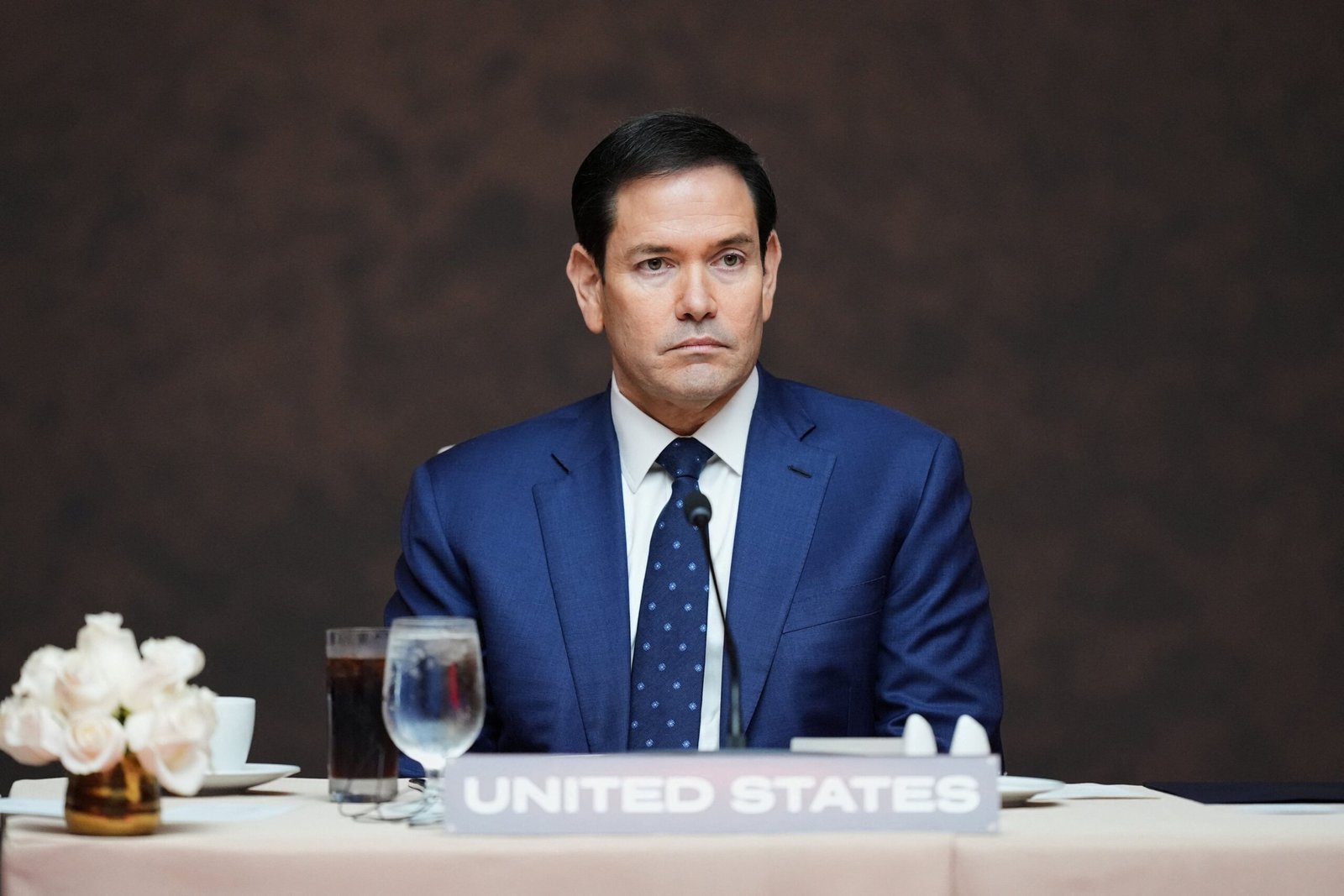
The United States issued a wrongful detention designation against Afghanistan, accusing Taliban authorities of detaining foreigners. Officials say the decision signals growing frustration with the militant group’s treatment of Americans. U.S. Secretary of State Marco Rubio announced the measure while urging the Taliban to release detained citizens immediately. According to the State Department, the wrongful detention designation highlights what Washington describes as coercive hostage diplomacy practices. American officials argue that continued arrests threaten international travelers and undermine diplomatic engagement efforts with Afghanistan.
Rubio stated that the Taliban continues detaining individuals to pressure governments and demand policy concessions. He described the actions as unacceptable tactics that must end if relations are expected. The secretary emphasized that Americans face significant risks when traveling to Afghanistan under current conditions. Therefore, the government maintains strong warnings advising citizens not to travel there under any circumstances. Officials also urged Taliban leaders to release all detained Americans without delay.
Among the detainees mentioned by Rubio is Dennis Coyle, a sixty-four-year-old academic researcher. His family says Taliban intelligence authorities detained him more than a year ago. Relatives explained that Coyle worked legally while supporting Afghan language communities through academic research programs. His continued detention has raised serious concern among diplomats and human rights advocates.
Another American citizen named Mahmoud Habibi also remains missing following his arrest in Kabul. Habibi was reportedly taken from a vehicle alongside his driver during August 2022 operations. Authorities say members of the Taliban intelligence service conducted the arrest in the capital city. Officials previously confirmed that Habibi served as Afghanistan’s director of civil aviation before political changes. Investigators also say he later worked for a telecommunications consulting firm operating in Kabul.
According to American officials, dozens of employees from the same company were detained during raids. Most workers eventually secured release, yet Habibi’s location and condition remain unknown today. Government agencies say the Taliban has not confirmed holding him despite repeated international inquiries. Consequently, the wrongful detention designation aims to increase pressure for transparency and cooperation.
The United States has also requested the return of remains belonging to author Paul Overby. He disappeared near the Afghanistan-Pakistan border region during travel in 2014. Officials hope diplomatic engagement might finally resolve questions surrounding his fate after years of uncertainty.
American policymakers warned that additional measures could follow if the Taliban refuses cooperation. Officials are considering travel restrictions that would limit U.S. passport use for visiting Afghanistan. Currently, such restrictions apply only to travel involving North Korea under existing U.S. regulations.
Taliban representatives responded by criticizing the wrongful detention designation announced by Marco Rubio. They described the decision as regrettable and expressed interest in resolving disputes through dialogue. However, U.S. officials insist progress requires immediate releases and guarantees against future detentions.
The Taliban regained control of Afghanistan in 2021 after the withdrawal of American forces. That withdrawal ended a twenty-year military conflict involving the United States and allied partners. Since then, tensions have remained high as Washington continues addressing security and humanitarian concerns.
Rubio previously issued a similar wrongful detention designation targeting Iran earlier this year. Officials said the policy intends to deter governments from detaining Americans for political leverage. U.S. leaders argue that consistent enforcement may discourage future hostage diplomacy worldwide.

