
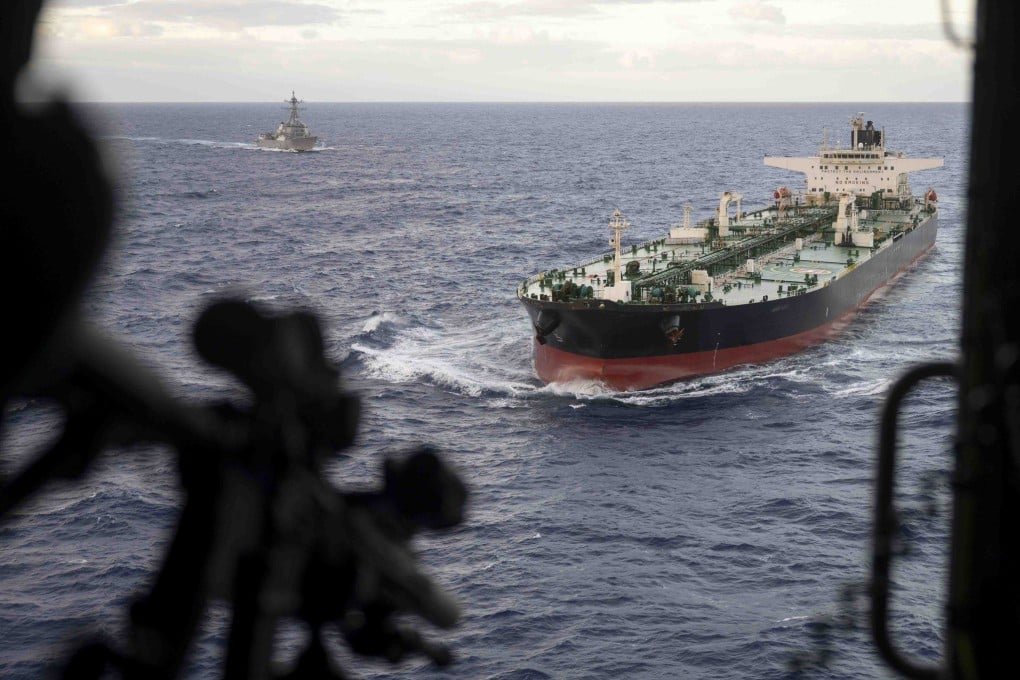
U.S. forces intercepted a Sanctioned Oil Tanker in the Indian Ocean on Tuesday amid escalating tensions. The operation underscores Washington’s expanding campaign to disrupt illicit Venezuelan crude shipments worldwide across seas. Officials said troops tracked the vessel from the Caribbean Sea for weeks before intercepting it.
According to the Pentagon, forces executed a right-of-visit boarding overnight in international waters nearby. In a statement, U.S. Southern Command detailed the complex maritime interdiction mission to reporters on Tuesday. Leaders emphasized that sailors confronted the Sanctioned Oil Tanker after persistent surveillance across vast distances.
They said crews attempted evasive maneuvers while navigating toward the Indian Ocean shipping corridors there. President Donald Trump ordered a quarantine targeting sanctioned vessels in December to pressure the Caracas leadership. That directive aimed to isolate networks supporting Nicolás Maduro’s government finances through clandestine oil sales.
Authorities later apprehended Maduro during a separate American military operation earlier this year abroad successfully. Officials allege he coordinated cocaine shipments with powerful transnational cartels targeting American communities nationwide extensively. Meanwhile, the tanker Bertha sails under a Cook Islands flag according to maritime registries publicly.
The Treasury Department Office of Foreign Assets Control lists the ship under sanctions for Iran. Defense officials released video showing helicopters approaching the vessel at sea during the tense interception. However, they have not clarified whether authorities formally seized the ship after boarding operations concluded.
Analysts say the Sanctioned Oil Tanker case signals tougher maritime enforcement ahead across strategic waterways. Furthermore, commanders pledged continued patrols spanning the Caribbean and Indian Ocean to deter smuggling networks. They argue coordinated surveillance strengthens deterrence against shadow fleets using deceptive registrations and complex routes.
Critics warn aggressive interdictions could heighten geopolitical frictions with regional powers operating nearby sea lanes. Nevertheless, administration officials insist that decisive action protects global energy markets from destabilizing illicit flows worldwide. They also contend sustained pressure limits revenue streams for sanctioned regimes seeking economic lifelines abroad.
As a result, naval units remain deployed across critical trade corridors for extended missions globally. The unfolding episode highlights Washington’s readiness to project power overseas in defense of sanctions enforcement. Ultimately, officials frame the mission as essential to uphold international law and protect national security.

