
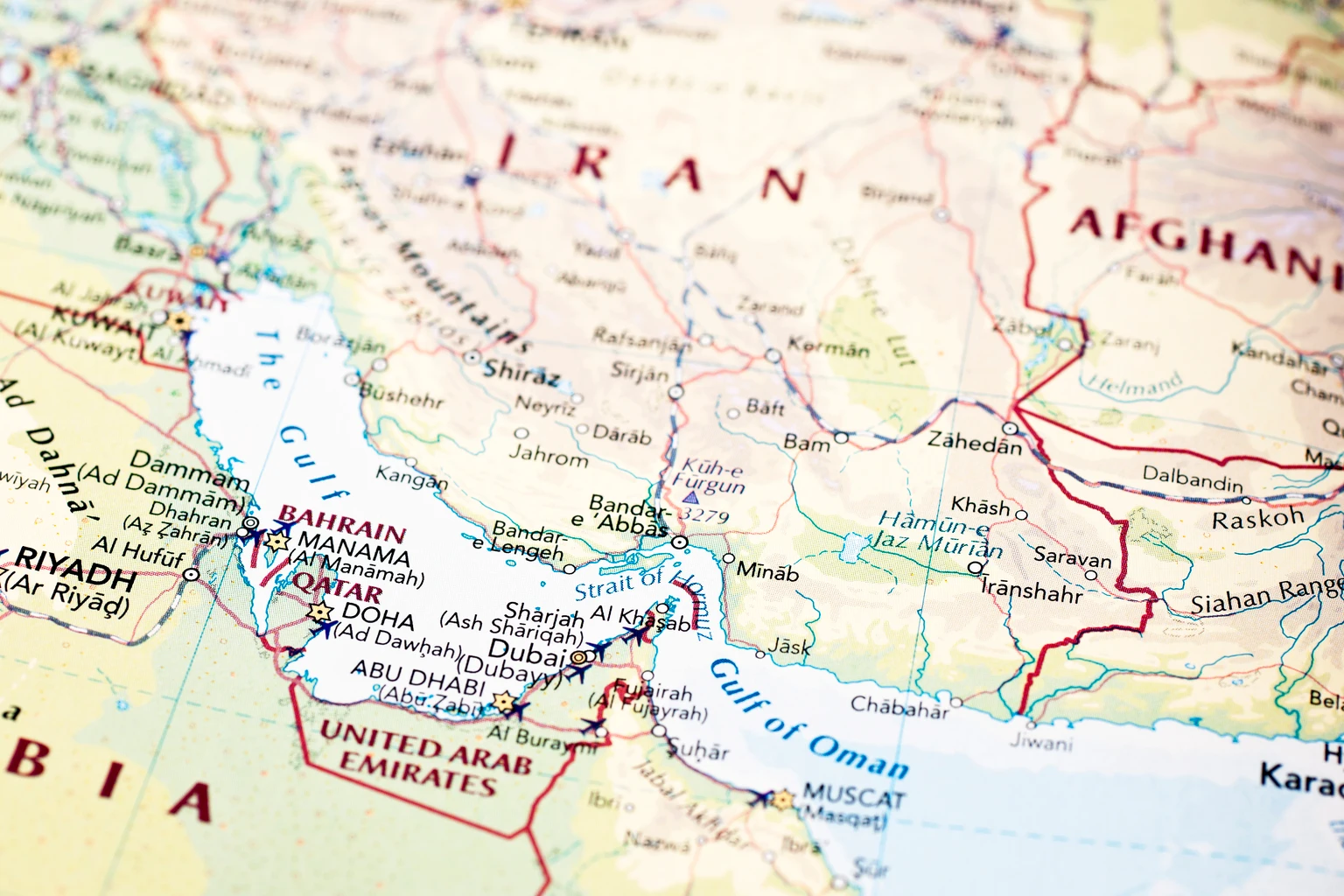
The Hormuz blockade crisis develops as the United States and Iran respond to new naval measures in the Strait of Hormuz. Diplomatic discussions recently ended without agreement on Iran’s nuclear program and regional security issues. Both sides continue to express differing positions while international observers monitor ongoing developments closely. The situation unfolds alongside concerns about maritime security and global energy transportation routes.
The United States authorities announced naval operations intended to manage shipping activity through the Strait of Hormuz. Officials described these actions as part of broader security efforts related to regional maritime stability. At the same time, Iranian representatives stated that they would respond to any disruption affecting their ports. Hormuz blockade crisis discussions continue as both sides clarify their operational and political positions.
Energy markets reacted to the announcement with oil prices moving above one hundred dollars per barrel. Traders cited uncertainty regarding potential shipping disruptions as a key factor influencing market activity. The Strait of Hormuz remains a major route for global oil and industrial goods transportation. Any changes in access to the passage may influence supply chains and international trade flows.
Military analysts noted that the narrow geography of the Strait creates complex navigation conditions for vessels. They also explained that many countries rely on uninterrupted passage for energy and commercial shipments. Operational planning in the region requires consideration of both commercial traffic and security measures. Hormuz blockade crisis concerns continue to shape discussions among regional and international observers.
The United States provided varying descriptions of how the naval measures would be implemented in practice. These differing statements have contributed to uncertainty among markets and diplomatic communities. Iran maintained that its nuclear program is intended for civilian energy development purposes. The United States and several partners continue to seek clarity on those program objectives.
Diplomatic mediators continue efforts to support communication between the two sides following stalled negotiations. Officials involved in talks indicate that backchannel discussions remain possible despite recent setbacks. Both parties have not fully closed the door on future diplomatic engagement at this stage. Analysts expect further developments as regional and international discussions continue in the coming period.

