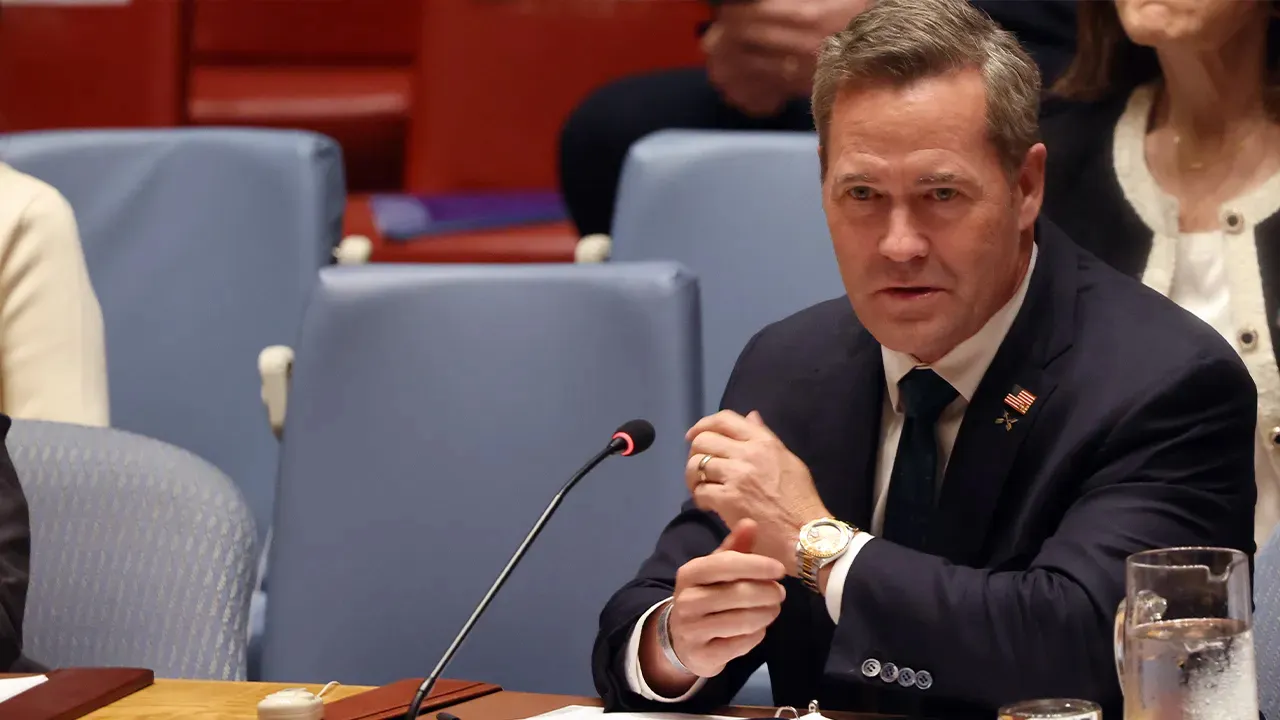
The U.S. Ambassador to the United Nations outlined a sharp new vision. Mike Waltz defended aggressive funding pressure on the global body. He described a mission for a leaner more effective organization. These UN reform demands center on accountability and burden-sharing. Waltz rejected claims that America creates the current cash crisis. He argued the United Nations has drifted far from its original purpose. The ambassador stressed that American taxpayers need proper value. Consequently, the U.S. will leverage its contributions to force change.
Moreover, Waltz stated the U.S. pays more than many nations combined. However, he emphasized that America historically supports the organization generously. Therefore, the current administration now insists on measurable institutional changes. Moreover, these UN reform demands include cutting bloat and duplication. Waltz claimed the United Nations’ budget has quadrupled recently. Global peace however has not seen a corresponding increase. He praised recent staff and budget reductions as positive steps. Also, the ambassador clearly wants much more aggressive action nonetheless.
Furthermore, Secretary-General Antonio Guterres presented a different perspective. He described the financial crisis as a matter of member obligations. Furthermore, a spokesperson called the funding situation very clear and straightforward. The largest contributors have not fully paid their assessed dues. Guterres portrayed himself as a responsible financial steward. This sets a clear contrast with the American assessment. Moreover, Waltz acknowledged some reform movement from the leadership. He simply wished it had started sooner and proceeded faster.
Additionally, Waltz explained the broader “America First” foreign policy doctrine. Therefore, this approach prioritizes American interests and taxpayer dollars. He argued the United Nations sometimes works against U.S. objectives. The ambassador pointed to unresolved conflicts like Sudan. He questioned why the organization fails in its core missions. Therefore, the administration pushes for a refocused practical body. These UN reform demands seek a return to foundational principles.
Meanwhile, the U.S. promotes alternative diplomatic mechanisms separately. The proposed Board of Peace aims to resolve specific conflicts. Waltz clarified it should complement not replace the United Nations. Regional governments would participate in this new structure. This includes countries like Egypt Turkey Jordan and Israel. The board intends to implement a detailed presidential peace plan. It reflects frustration with traditional multilateral processes.
Ultimately, Ambassador Waltz affirmed the United Nations’ essential role. He called it the one place where everyone can talk. Meanwhile, the president he stated prioritizes diplomacy and peace first. The current pressure aims to make the institution more effective. Waltz believes many member states secretly support this push. The goal is a mission-focused organization delivering real results. These persistent UN reform demands will likely continue shaping policy. The coming months will test the global body’s adaptability.