
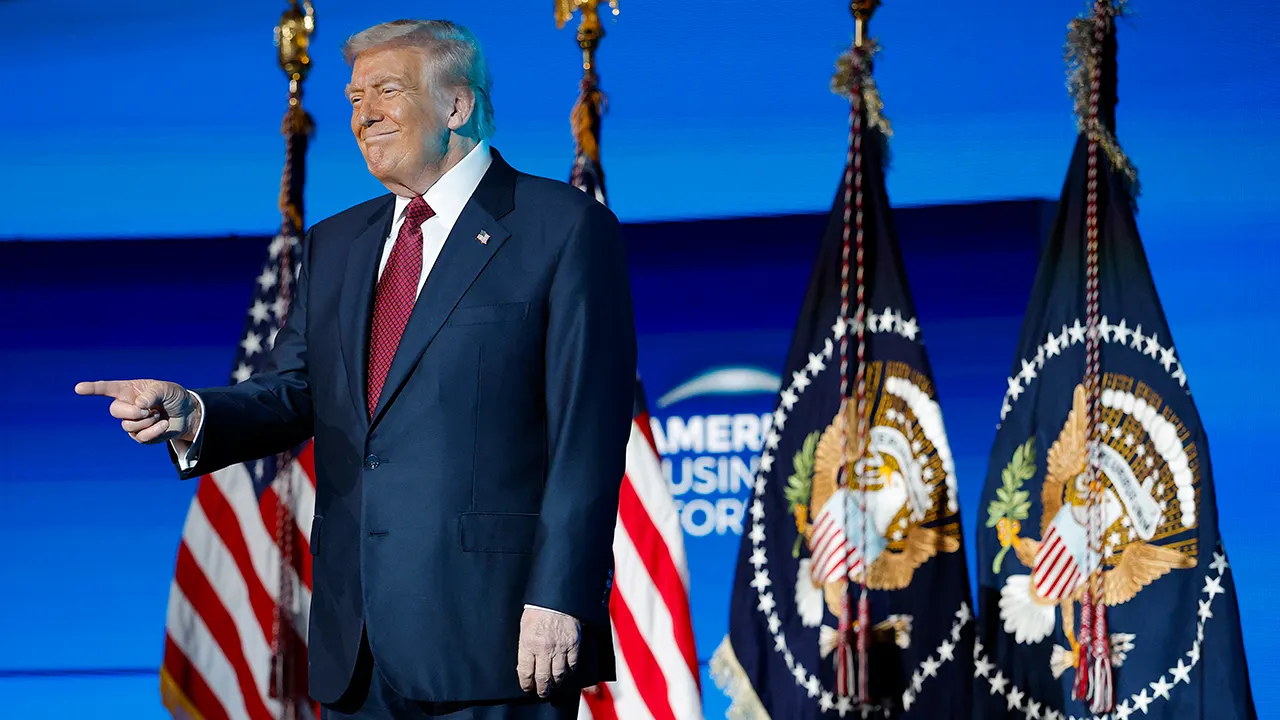
Donald Trump issued a strong Hormuz strike warning Monday, saying the United States would respond forcefully if Iran blocks oil shipments through the strategic waterway. He warned that any disruption to energy shipments moving through the Strait of Hormuz would trigger significantly stronger military action from the United States.
Trump shared the warning on Truth Social, where he outlined potential consequences for Iran if oil flows stop. The president said the United States would strike Iran much harder than in previous attacks if the shipping route closes. He emphasized the Hormuz strike warning by stating the response would be twenty times stronger than earlier military operations.
The Strait of Hormuz represents one of the world’s most critical energy corridors for global markets. Large volumes of oil shipments pass through the narrow channel connecting the Persian Gulf with international waters every day. Any disruption there could immediately affect global energy prices and international shipping routes.
Trump said the United States would target facilities that could weaken Iran’s ability to rebuild national infrastructure afterward. He warned that severe destruction could follow if Iran interferes with oil shipments through the waterway. However, he also expressed hope that the confrontation would never reach that point.
The president added that keeping the shipping lane open benefits many countries that rely heavily on energy supplies. Among those nations he specifically referenced was China, which imports large volumes of oil transported through the route. Trump described continued access to the strait as a gesture that benefits global partners dependent on stable energy flows.
The Hormuz strike warning comes during escalating tensions between the United States and Iran. Regional conflict and military operations have already raised concerns about the safety of shipping routes across the Middle East. Energy markets closely monitor developments involving the waterway because disruptions could trigger major price spikes.
Security analysts say the strategic passage carries a substantial share of the world’s seaborne oil exports daily. Even temporary closures or attacks on vessels could create immediate consequences for global supply chains. Because of that importance, the Hormuz strike warning reflects broader concerns about maintaining open maritime routes.
Military officials have not announced new operations connected to the statement, though U.S. forces remain active in the region. Diplomatic observers say Washington continues balancing deterrence with efforts to avoid wider escalation. Meanwhile, global governments and shipping companies continue watching developments around the critical energy corridor.