
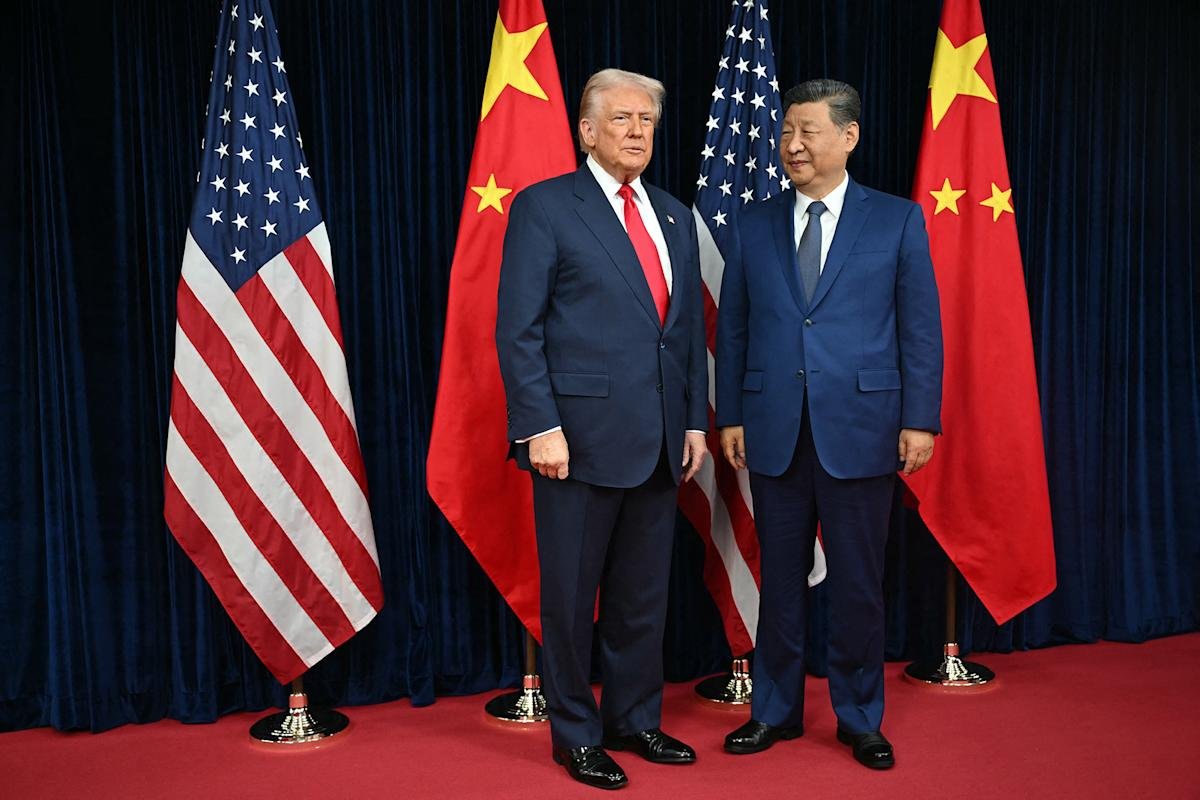
President Donald Trump will travel to China from March 31 to April 2 for high-level talks with Chinese leader Xi Jinping, as trade tensions resurface following a major court ruling on U.S. tariffs.
The White House confirmed the trip shortly before the Supreme Court of the United States struck down several tariffs that Trump imposed under emergency powers. The ruling overturned duties applied through the International Emergency Economic Powers Act, a law the court determined did not grant the sweeping authority the administration claimed.
The decision immediately raised new questions about the future of U.S.-China trade policy. Previously, Trump had reduced some tariffs on Chinese goods as part of a temporary trade truce. In return, Beijing pledged cooperation on issues including fentanyl trafficking and export controls on critical minerals.
Despite the ruling, other tariffs remain intact under Section 301 and Section 232 trade authorities. Trump has also announced a new 10% global tariff lasting 150 days, though it remains unclear whether he will reinstate specific duties targeting Chinese imports.
Officials expect the upcoming Beijing meetings to focus heavily on stabilizing trade relations. Both leaders had agreed during an earlier meeting in South Korea to prevent further escalation. However, the court’s decision complicates negotiations and may shift leverage between the two sides.
Taiwan is also expected to feature prominently in discussions. China considers the island part of its territory, while Taiwan maintains its own democratic government. The United States, although formally recognizing Beijing, continues to provide Taiwan with defensive arms under longstanding policy commitments.
Trump signaled confidence about the trip during remarks in Washington. He described the visit as potentially historic and suggested that preparations would involve significant ceremony. Chinese officials have not publicly confirmed the visit dates.
Analysts say the tariff setback could influence Beijing’s negotiating posture. Some experts argue that China may perceive the court ruling as weakening Trump’s leverage. At the same time, both governments appear interested in preventing another full-scale trade confrontation.
The visit will mark Trump’s first trip to China since 2017. Observers believe the meetings could reshape economic and geopolitical dynamics between the world’s two largest economies.

