
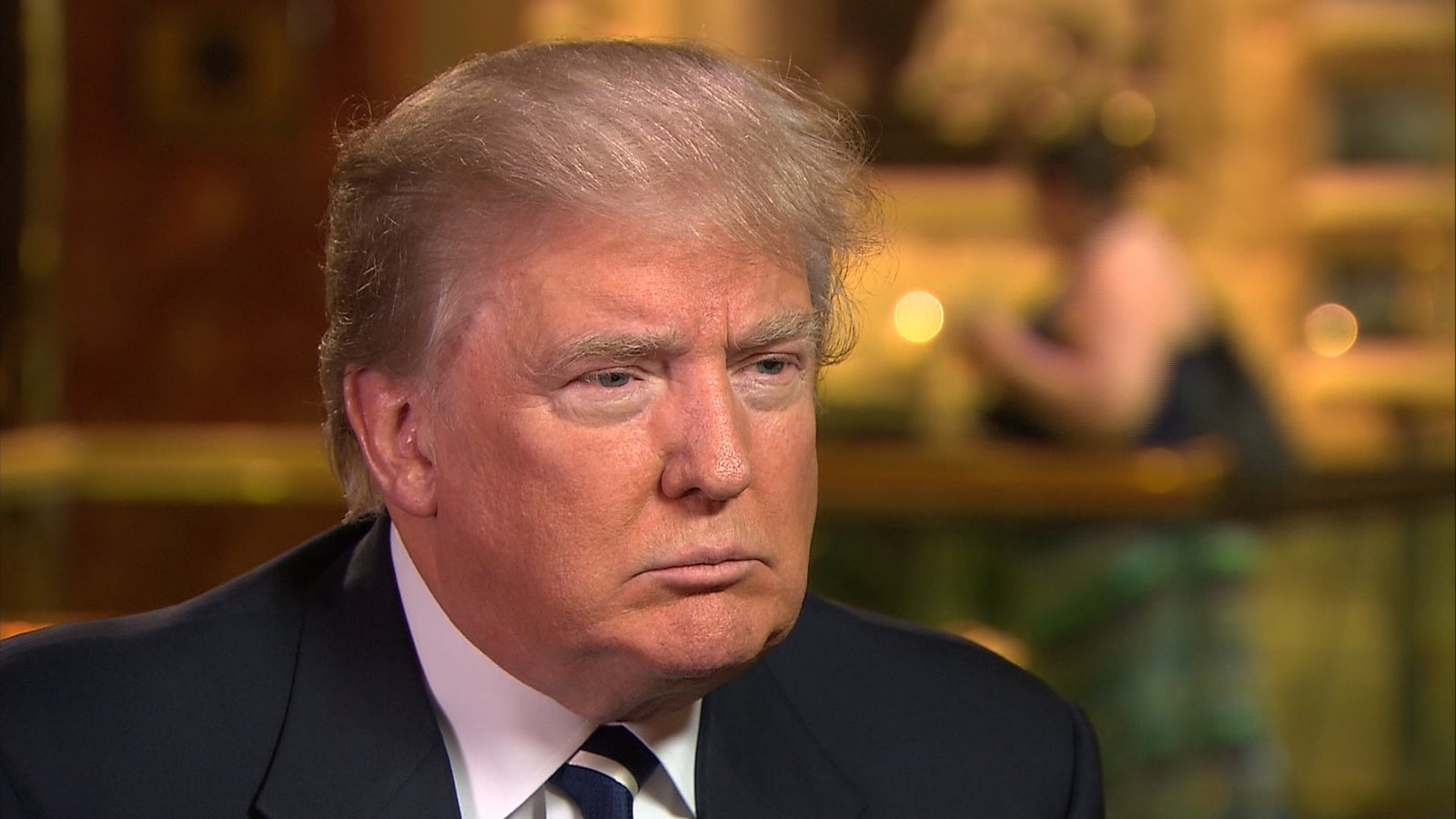
President Donald Trump extended previous deadlines but warned that Iran would face severe consequences if it defied his orders. Trump ordered U.S. strikes on several Iranian bridges to pressure Tehran into reopening the passage.
In response, Iranian officials mocked the warnings, joking that they had “lost the keys” to the Strait of Hormuz. Meanwhile, Gulf states are seeking support from the United Nations to take defensive measures against potential Iranian aggression.
Russia and China resisted backing Gulf initiatives, leaving smaller nations to navigate complex international negotiations for maritime security. Analysts say the Trump-Iran ultimatum represents a high-stakes approach to controlling energy routes in the region.
Critics called the president’s approach erratic, claiming it could trigger unpredictable escalation across the Middle East. Conversely, supporters described his actions as calculated, claiming that the Trump Iran ultimatum pressures adversaries effectively.
Global markets reacted immediately, with oil traders anticipating further volatility if the Strait of Hormuz remains blocked. Many investors moved quickly to hedge risks as crude oil prices continued their steady climb this week.
Officials in Washington emphasize that protecting shipping lanes is vital for global trade and energy supply security. Any prolonged closure of the strait could disrupt economies worldwide and significantly affect international energy markets.
Meanwhile, the Gulf Cooperation Council continues coordinating diplomatic strategies to ensure safe passage through the Strait of Hormuz. Countries involved stress the need for urgent action while seeking a peaceful resolution to escalating tensions.
The Trump Iran ultimatum underscores the high stakes surrounding the Strait of Hormuz and the strategic energy corridor. Analysts warn that miscalculations in this region could have serious consequences for both regional stability and global markets.

