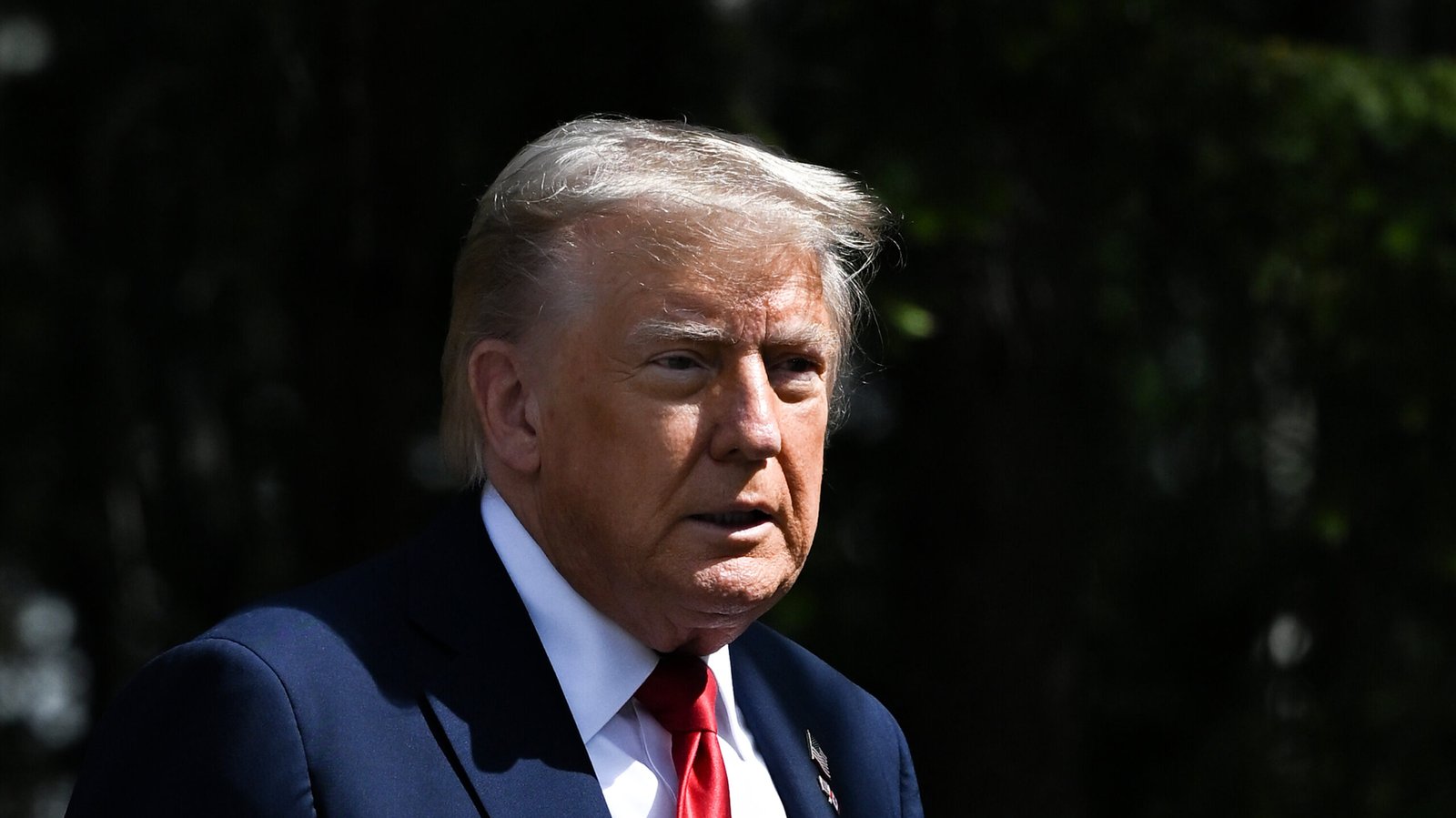
President Donald Trump faces an Iran military decision amid rising tensions across Middle Eastern regions. Military deployments and escalating rhetoric have intensified uncertainty surrounding potential American military actions soon. Consequently, analysts warn the president’s choice could reshape regional security and international stability significantly. Furthermore, the administration continues evaluating diplomatic and military strategies aimed at deterring Iranian escalation.
Meanwhile, Iran’s Supreme Leader Ali Khamenei increased confrontational rhetoric toward American and Israeli leadership recently publicly. His statements raised concerns about possible retaliation against American forces and allied nations soon. Additionally, Iranian military commanders emphasized readiness to respond forcefully to external military pressure immediately. These developments heightened fears of escalation involving proxy forces throughout the Middle East region.
At the same time, Israeli Prime Minister Benjamin Netanyahu closely coordinated strategy discussions with American leadership recently. Both governments share concerns regarding Iran’s nuclear ambitions and regional military influence expansion. Therefore, joint planning includes potential military strikes targeting nuclear infrastructure and missile capabilities directly. Officials emphasized deterrence remains essential to prevent further nuclear weapons development activities immediately.
Additionally, American military forces increased presence throughout strategic Middle Eastern bases and naval positions recently. This deployment includes aircraft, naval vessels, and missile defense systems strengthening operational readiness significantly. Defense officials emphasized preparation ensures rapid response to any threats against American personnel abroad. Consequently, military readiness strengthens the president’s leverage during negotiations and strategic planning discussions.
Supporters of stronger action argue Iran violated multiple international expectations regarding nuclear development activities. They pointed to uranium enrichment, ballistic missile expansion, and support for regional proxy groups. These activities intensified debate within Washington regarding the appropriate Iran military decision soon ahead. Meanwhile, critics warned military action could provoke broader conflict across volatile regional theaters.
Historical precedents demonstrate American presidents used military force to counter strategic threats internationally previously. Examples include extended air campaigns targeting hostile governments and critical military infrastructure abroad. These operations sought to weaken adversaries while minimizing prolonged ground combat involvement overseas. Therefore, planners evaluated similar operational models while considering risks and long-term consequences carefully.
Ultimately, Trump must balance deterrence, diplomacy, and military readiness while considering global political implications. His decision could determine whether tensions ease through negotiation or escalate into conflict soon. Administration officials emphasized protecting American forces and allies remains their highest national security priority. Observers agreed the Iran military decision carries profound consequences for international peace and stability.