The United States has dramatically escalated tensions with Venezuela. President Donald Trump designated the Venezuelan government a foreign terrorist organization. He consequently ordered a complete naval blockade of the nation. This decisive action targets all sanctioned oil tankers near Venezuela. The administration alleges the Maduro regime finances terrorism with stolen oil. These developments mark a severe downturn in bilateral relations. The situation now threatens further regional instability and economic fallout.
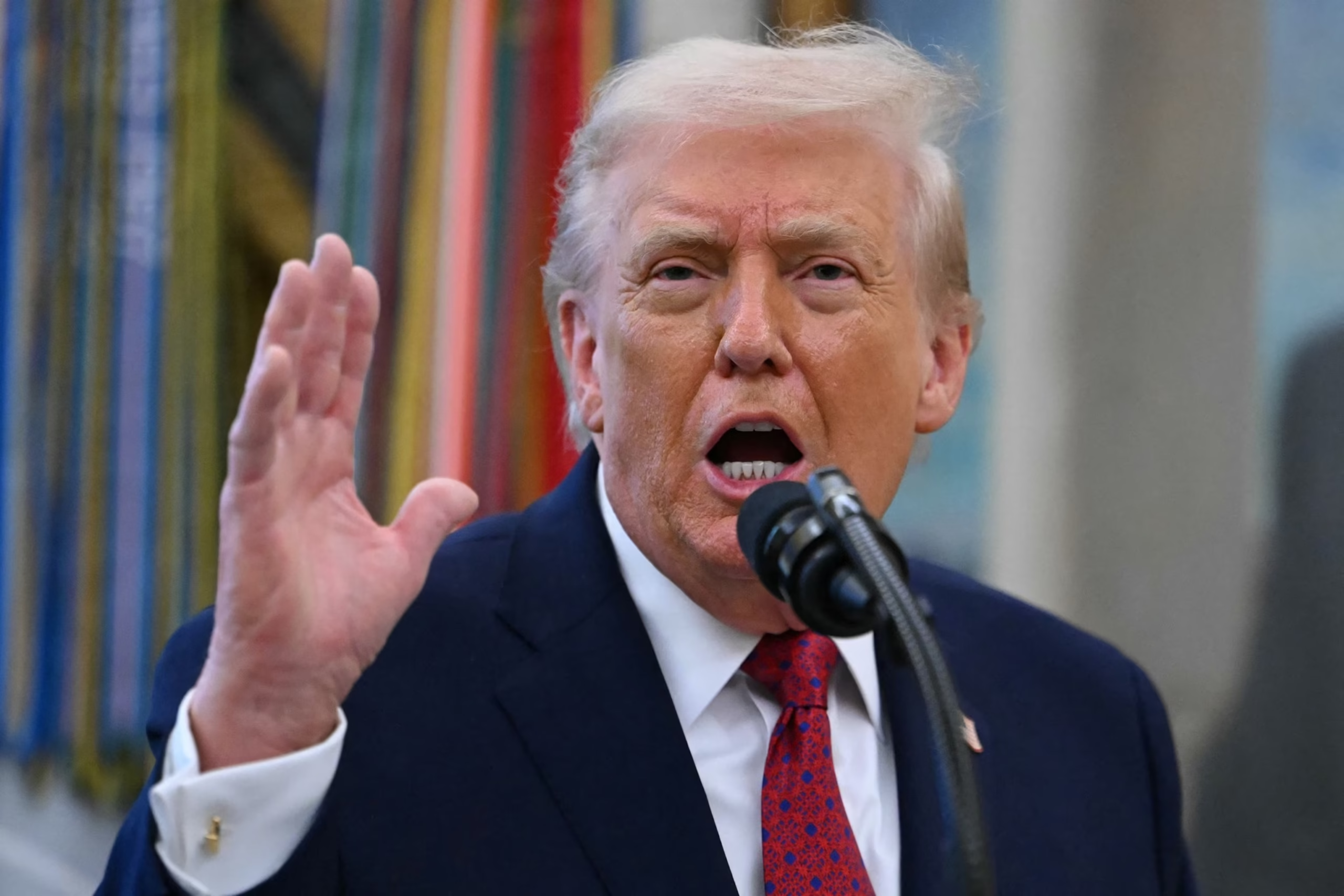
Therefore, President Trump announced the policy shift on his social media platform. He declared Venezuela completely surrounded by a massive naval armada. This military presence will only grow larger according to his statement. The action responds to the alleged theft of American oil fields. Trump demands the immediate return of all stolen United States assets. The regime uses this oil revenue to fund diverse criminal activities. These activities include drug trafficking and human smuggling networks.
Furthermore, the administration specifically labeled Venezuela a foreign terrorist organization. This formal designation carries substantial legal and economic implications. It follows the recent seizure of an oil tanker named the “Skipper”. Authorities intercepted the vessel off the Venezuelan coast last week. Attorney General Pam Bondi confirmed the tanker carried sanctioned oil. The cargo allegedly originated from both Venezuela and Iran. This seizure represents the new policy’s first major enforcement action.
Officials describe the “Skipper” as part of a “ghost” fleet. This fleet secretly moves oil from several sanctioned nations. These vessels often disable their tracking transponders for secrecy. They also frequently change names and ownership through shell companies. The “Skipper” held an estimated 1.8 million barrels of oil earlier this month. It transferred a portion just before its dramatic capture. The remaining crude oil could be worth over one hundred million dollars.
The blockade aims to cripple the regime’s primary revenue source. Energy Secretary Chris Wright defended the tanker’s seizure publicly. He framed the action as simply enforcing existing United States law. The White House press secretary faced questions about this aggressive move. She reiterated the administration’s firm stance against the Venezuelan government. The United States will no longer tolerate the theft of national assets. This foreign terrorist organization designation underscores that serious position.
Additionally, the United States military has increased pressure on Venezuela. Forces have conducted strikes on suspected drug trafficking boats since September. These operations have resulted in at least twenty-two separate engagements. They have reportedly eliminated eighty-seven suspected narcotraffickers near Venezuela. Analysts view these strikes as part of a broader pressure campaign. The campaign ultimately seeks the ouster of President Nicolás Maduro.
This comprehensive strategy risks significant consequences for global markets. A prolonged blockade could disrupt international oil supplies noticeably. Such disruption might subsequently trigger a surge in gasoline prices worldwide. The action also risks escalating into a direct military confrontation. Regional partners are now monitoring the situation with intense concern. The foreign terrorist organization label complicates any future diplomatic negotiations.
The administration continues to link migration to its Venezuela policy. Trump stated the United States is returning illegal aliens rapidly. These individuals allegedly entered the country during the previous administration. The president connected this migration directly to the Caracas regime. America will not allow criminals or hostile regimes to threaten it. The order for a total blockade is therefore immediate and complete. The demand for the return of stolen assets remains non-negotiable. The situation establishes a dangerous new precedent in hemispheric relations. This foreign terrorist organization designation now defines the conflict.