
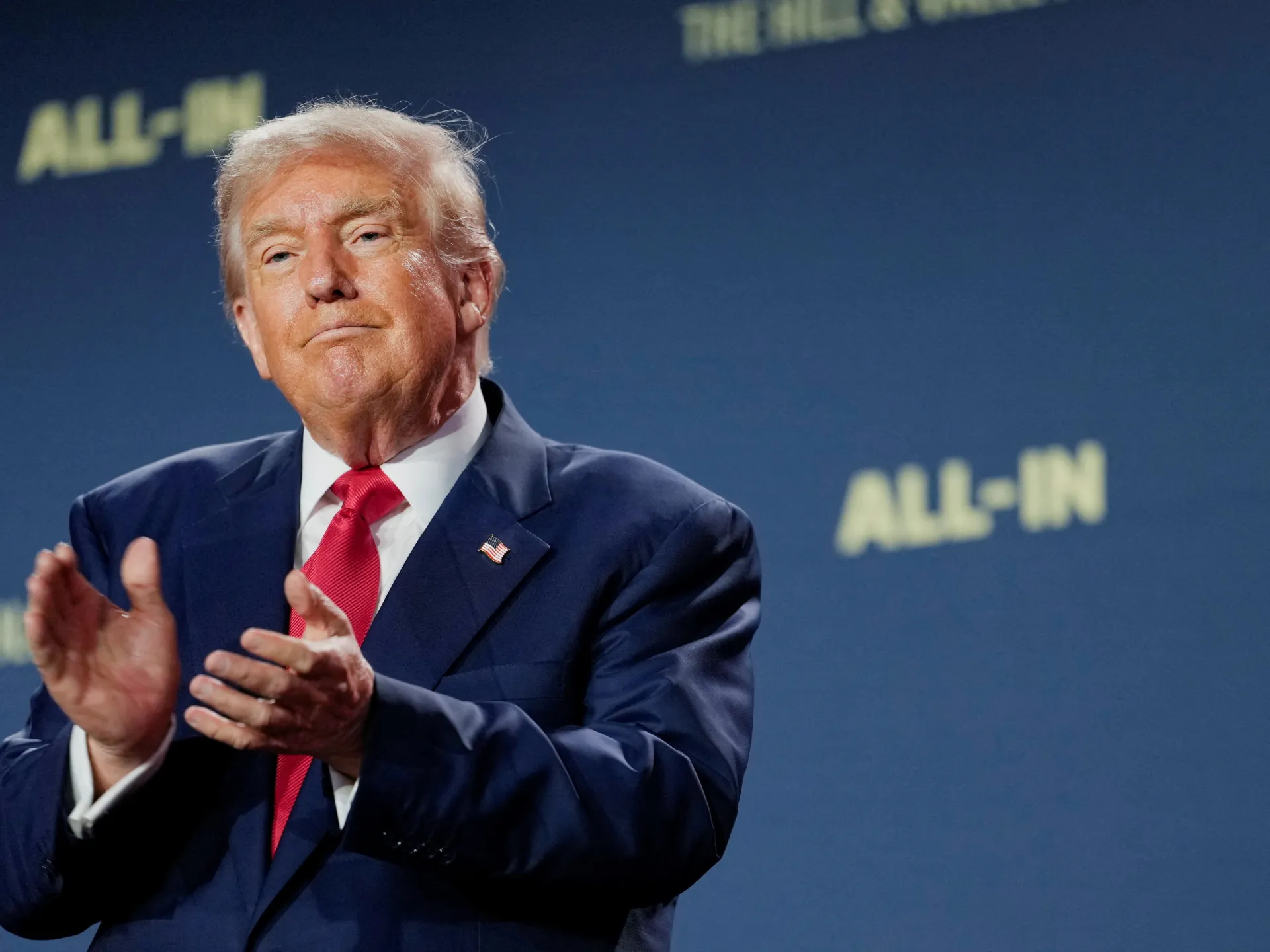
President Donald Trump announced a major regulatory plan this week. He promises to federalize artificial intelligence rules very soon. Trump stated he will sign a “One Rule” executive order. Therefore, this move aims to create a single national standard immediately. Federal AI regulation would replace various state-level approval processes. He argues this change is essential for American competitiveness.
Furthermore, Trump detailed his reasoning on his social media platform. He insisted the country must have only one regulatory rulebook. This unified approach will maintain United States leadership globally. Therefore, federal AI regulation prevents a confusing state-by-state patchwork. However, he specifically criticized the current system’s inefficiency for companies. Businesses should not need fifty separate state approvals constantly.
Moreover, the President emphasized the urgent global technology race. He noted America currently leads all other countries in AI development. However, this advantage will not last without swift regulatory reform. However, he called many states potential “bad actors” in the process. Overregulation at the state level threatens vital growth and investment. Federal AI regulation provides a clear and efficient path forward.
Trump initially declared the need for this change last month. He argued multiple state regimes stifle innovation and progress. Therefore, this new executive order will formalize that position officially. The announcement follows similar calls from major tech industry leaders. Furthermore, Google CEO Sundar Pichai recently advocated for national AI rules. He warned against over one thousand different state legislative bills.
Pichai expressed concern about competing with nations like China. He questioned how companies manage varied state regulations effectively. A confusing framework makes global competition significantly harder. Moreover, Trump’s planned order directly addresses this specific concern. The goal is balancing innovation with necessary oversight carefully. This federal AI regulation seeks a streamlined national approval process.
The exact timing and full details remain forthcoming this week. Trump confirmed he expects to sign the order shortly. This action continues his focus on executive power for policy. It represents a significant proposed shift in tech governance. The debate over state versus federal control continues intensely. This announcement will likely spur further discussion and reaction.

