
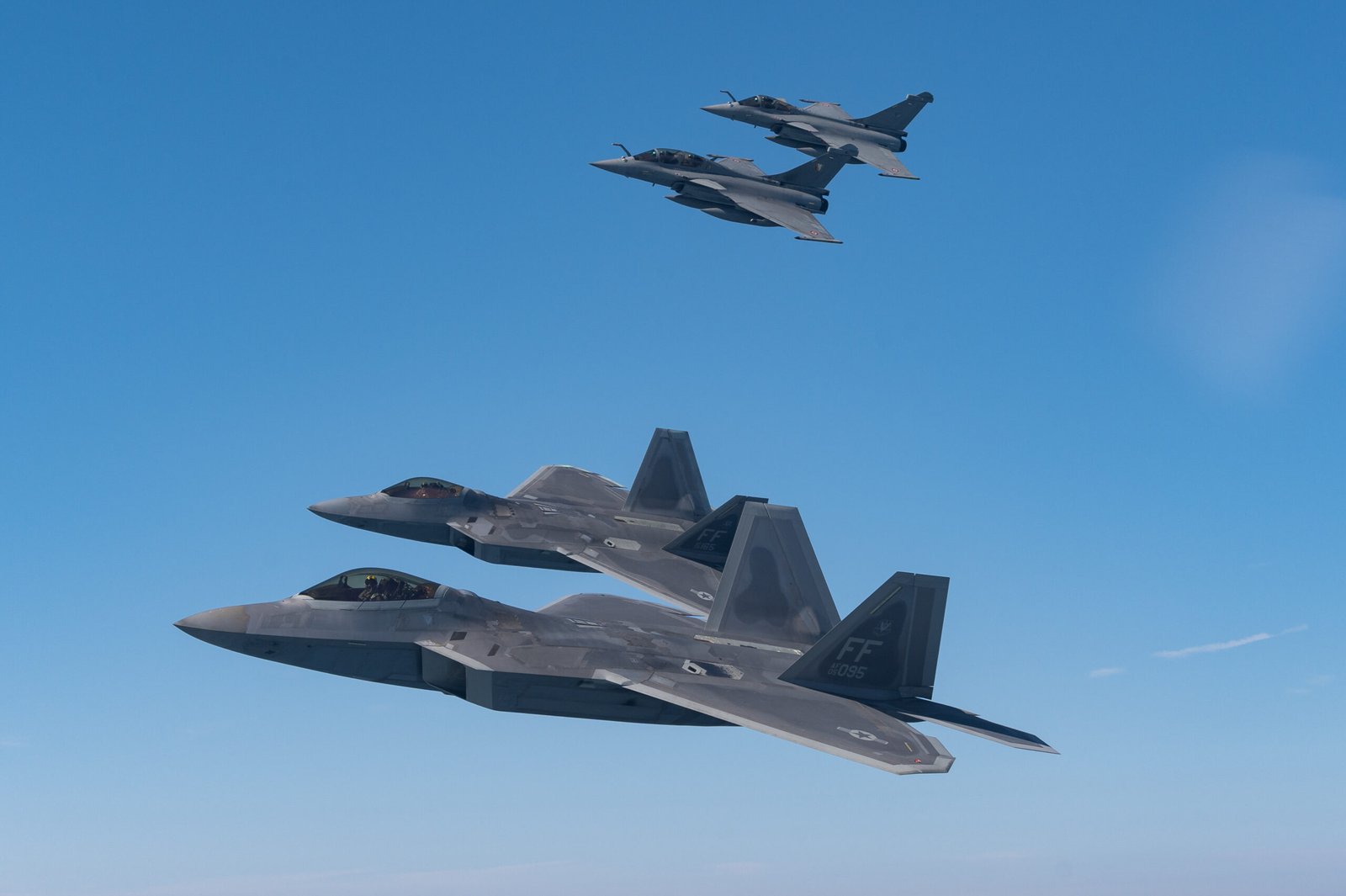
The Spain Airspace Block marks a major escalation between the United States and a key NATO ally. Spain denied U.S. military aircraft access to its airspace, complicating operations tied to the ongoing Iran conflict. Consequently, the decision highlights growing divisions within NATO and challenges Washington’s strategic movement across Europe and the Middle East.
Spanish Defense Minister Margarita Robles confirmed the decision and emphasized clear limits on U.S. military operations. She stated Spain would not allow airspace use or access to joint bases for Iran-related missions. Therefore, Madrid reinforced its position against involvement in the conflict and asserted its national sovereignty in defense decisions.
Previously, Spain had already denied access to the Rota and Morón military bases for similar operations. These installations serve as key logistical hubs for U.S. forces operating across Europe, Africa, and the Middle East. As a result, expanding restrictions on airspace significantly disrupts U.S. military planning and logistical coordination efforts.
The dispute reflects broader tensions between President Donald Trump and Spain’s government, led by Prime Minister Pedro Sánchez. Sánchez has strongly criticized the Iran conflict, calling it unlawful, reckless, and inconsistent with international standards. Meanwhile, Spanish officials argue their refusal aligns with legal principles and avoids participation in unilateral military actions abroad.
In response, Trump previously criticized Spain and threatened economic consequences, including potential trade restrictions against the country. However, a White House official minimized the operational impact, stating U.S. forces continue meeting mission objectives successfully. Additionally, U.S. aircraft have shifted operations to bases in Germany and France to maintain strategic flexibility.
The United States maintains a significant military presence in Spain through long-standing agreements supporting NATO operations. Naval Station Rota plays a critical role in Mediterranean missions and supports the U.S. Sixth Fleet activities. Nevertheless, Spain’s restrictions limit access to these strategic resources and complicate regional military coordination efforts.
Furthermore, the Spanish Airspace Block underscores ongoing disagreements within NATO regarding defense spending and burden-sharing responsibilities. Trump has repeatedly criticized Spain for not meeting alliance targets, increasing friction between the two governments. Consequently, this dispute reflects deeper divisions about military priorities and alliance obligations among NATO member states.
Overall, the Spain Airspace Block signals a significant geopolitical shift within the alliance during a critical moment. The decision demonstrates Spain’s willingness to impose operational limits despite longstanding cooperation with the United States. Therefore, analysts expect continued tensions as both nations navigate strategic differences during the evolving Iran conflict.