
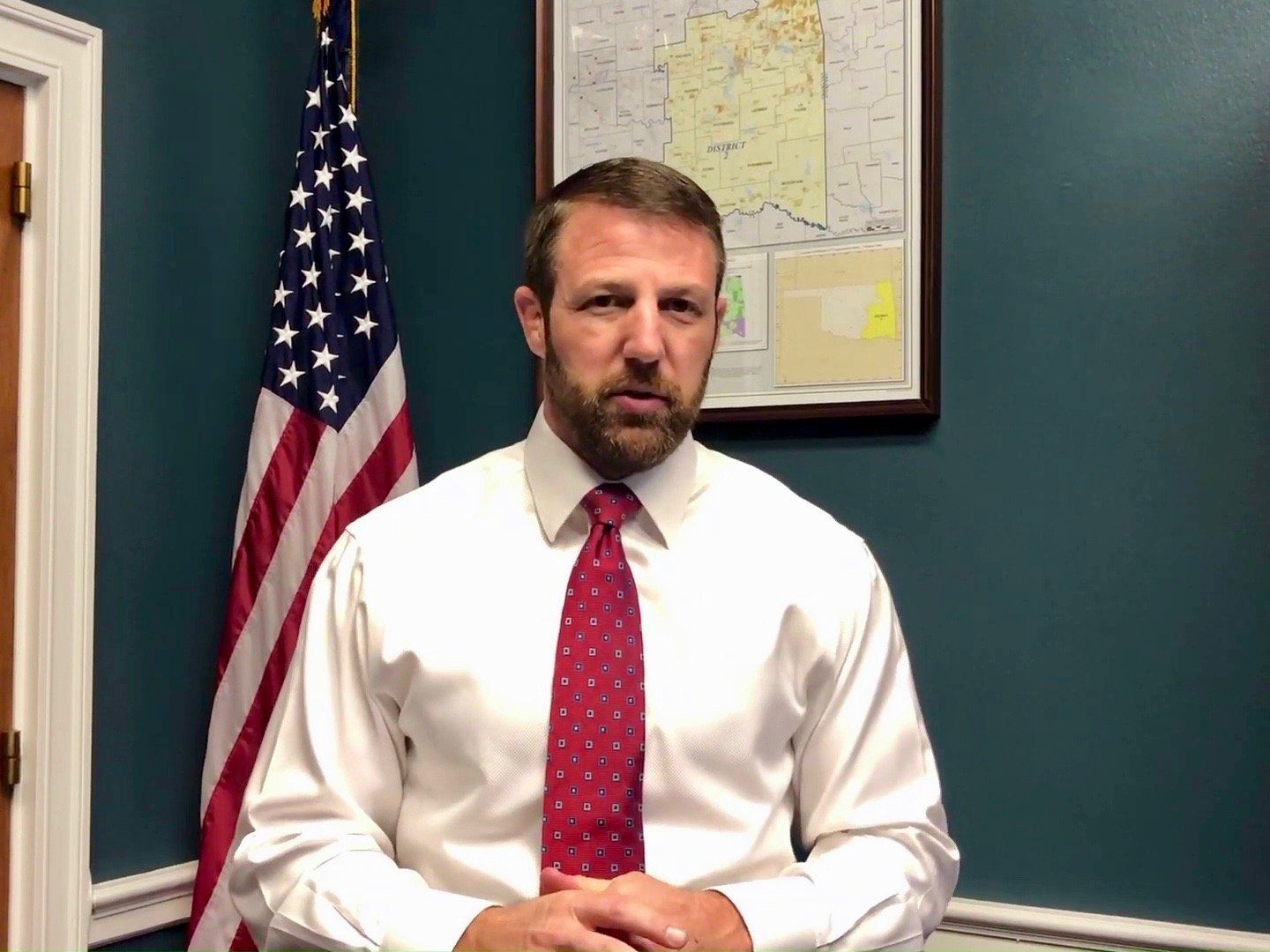
The DHS leadership change marks a major shift in U.S. national security leadership after the Senate confirmed Markwayne Mullin. The Senate vote installs him as the next Homeland Security Secretary following a 54-45 decision. Lawmakers now prepare for a transition that will take effect later this month.
The Senate approved Oklahoma Senator Markwayne Mullin to lead the Department of Homeland Security in a closely watched vote. He will replace Kristi Noem and assume control of the department at the end of March. His confirmation received support largely along party lines with limited cross-party backing.
The DHS leadership change places Mullin in charge of key agencies, including ICE, TSA, FEMA, and Border Patrol. These agencies manage immigration enforcement, disaster response, and transportation security across the United States. He will oversee operations during ongoing political debates over funding and policy direction.
The vote included support from two Democratic senators who broke ranks with their party. One Republican senator also opposed the confirmation, showing divisions within Congress. Despite disagreements, the majority vote secured Mullin’s appointment to the cabinet position.
The DHS leadership change occurs as the department faces funding pressures and political disputes in Washington. Lawmakers continue debating security priorities while agencies maintain daily national security operations. Officials expect leadership changes to influence policy direction in the coming months.
Outgoing Secretary Kristi Noem will transition into a new advisory role within the administration. Her departure follows criticism and controversy during her time leading the department. The administration confirmed her reassignment as part of broader cabinet restructuring.
Mullin has served in the Senate since 2023 after previously working in the House of Representatives. He also built a business career before entering politics and gaining national attention. Supporters describe him as a strong advocate for security and legislative oversight.
The DHS leadership change has drawn attention due to its timing and political significance. Analysts say leadership transitions at Homeland Security often shape enforcement priorities and agency focus. Observers will closely watch how Mullin approaches his new responsibilities.
Mullin’s confirmation represents one of the most significant cabinet shifts in the current administration. The department will officially transition leadership on March 31. Federal agencies will continue operations while preparing for a new policy direction under his leadership.