
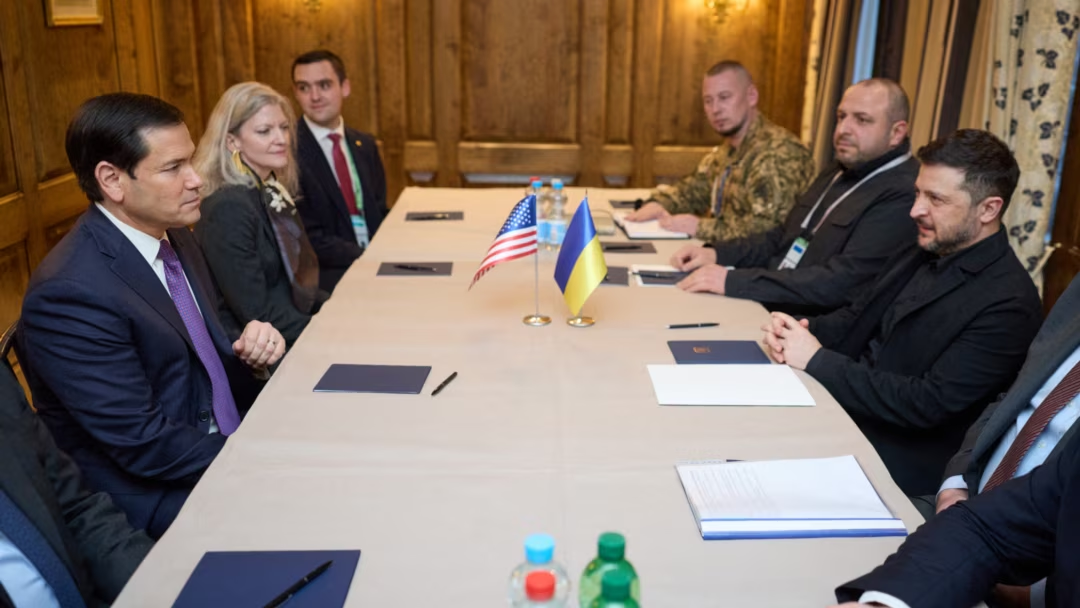
U.S. Secretary of State Marco Rubio met Ukrainian President Volodymyr Zelenskyy Saturday before Geneva peace talks begin this week. The meeting took place during the Munich Security Conference and focused squarely on efforts to end the war. Rubio said President Donald Trump wants a solution that permanently ends the bloodshed. Consequently, both sides framed the upcoming Geneva peace talks as a critical diplomatic opportunity.
During their discussion, Rubio and Zelenskyy examined Ukraine’s security needs and future economic cooperation. Moreover, they reviewed potential pathways toward a negotiated settlement with Russia. Rubio emphasized that Washington seeks a durable outcome rather than a temporary pause in fighting. Therefore, Geneva peace talks are expected to address both immediate ceasefire terms and long-term stability guarantees.
Earlier in the day, Zelenskyy confirmed he spoke with senior U.S. envoys ahead of negotiations. He held conversations with Steve Witkoff and Jared Kushner to coordinate strategy before the Switzerland meetings. Additionally, Zelenskyy referenced recent diplomatic contacts in Abu Dhabi that shaped current proposals. However, he noted sensitive details would remain confidential until formal sessions begin. Still, Geneva peace talks will allow Ukraine’s delegation to formally present its negotiating position.
Ukrainian officials previously indicated that Washington hopes for progress before early summer. Zelenskyy suggested the United States prefers both sides reach an agreement within months. Furthermore, he acknowledged that diplomatic pressure could intensify if talks stall. These timelines add urgency as negotiators prepare detailed security and territorial proposals. As a result, Geneva peace talks carry significant weight for regional stability.
While in Munich, Rubio also met with counterparts from the Group of Seven nations. He discussed aligning strategies to support negotiations and maintain allied unity. Additionally, officials explored broader global security concerns alongside the Ukraine conflict. These parallel discussions underscore the international stakes tied to the negotiations. Ultimately, Geneva peace talks may influence Europe’s security framework for years to come.
Zelenskyy thanked the United States for what he described as a constructive diplomatic approach. He expressed appreciation for continued support aimed at protecting Ukrainian lives. Meanwhile, Washington continues balancing military assistance with active diplomatic engagement. Both governments insist that sustainable peace requires credible guarantees and enforceable commitments. For now, Geneva peace talks represent the most immediate chance to reduce violence and pursue lasting resolution.