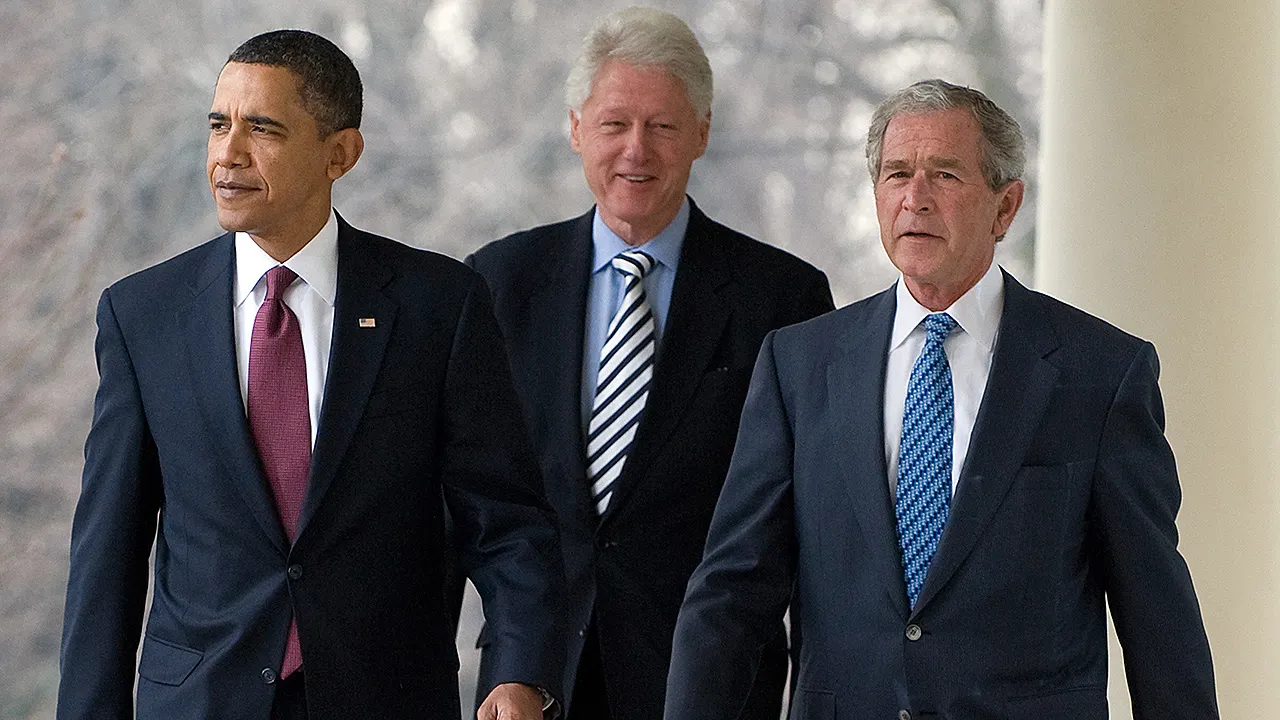
A federal agency now seeks major presidential library reforms. The National Archives leads this crucial cost-saving initiative. Consequently, American taxpayers may see reduced burdens. The plan specifically targets taxpayer-funded maintenance at these institutions. The system currently includes fourteen separate presidential libraries. Furthermore, two more libraries will soon join the roster. Operational costs therefore strain the national budget significantly.
Therefore, officials cite routine upkeep as a primary concern. For example, taxpayer-funded maintenance includes lawn mowing and painting. It also covers cleaning and minor fixture repairs. The government process often delays simple fixes for months. The archives agency now negotiates new agreements with private foundations. These foundations support each presidential library individually. The goal shifts operational responsibilities toward these private groups.
Furthermore, the National Archives spends ninety-one million dollars annually. This taxpayer-funded maintenance diverts money from core missions. The agency’s primary duty involves preserving historical records. It also must provide public access to documents. Deferred maintenance backlogs total about one hundred twenty-three million dollars. Successful negotiations could save twenty-seven million dollars yearly. The archives would then redirect these funds appropriately.
A senior advisor explained the urgent need for change. Growth in the library system increases taxpayer expenses continually. The agency must therefore ensure its long-term financial health. Doing nothing would jeopardize essential archival functions. Alternatively, reforms protect the agency’s primary mission. Presidential foundations historically share costs with the government. New agreements will formalize greater private financial responsibility.
One historian supports this shift in financial burden. He notes the immense cost of building these libraries. Private donations should cover more operational expenses accordingly. American taxpayers should not bear this full cost. The administration deserves credit for starting this conversation. The archives must focus closely on preserving federal records. Foundations can better handle other non-essential functions.
This reform effort aligns with other archival initiatives. The agency also works to release historically significant files. Each presidential library structure differs from the others. The Obama Center chose a fully private model for instance. The National Archives still stores that administration’s digital records. Past negotiations successfully reduced costs for one library. The new effort aims to replicate that success system-wide.
The proposed changes promise a more sustainable future. They aim to reduce everyday taxpayer-funded maintenance. This allows better focus on America’s documentary heritage. The National Archives continues negotiating with all foundations. The final outcome will reshape presidential libraries permanently.