
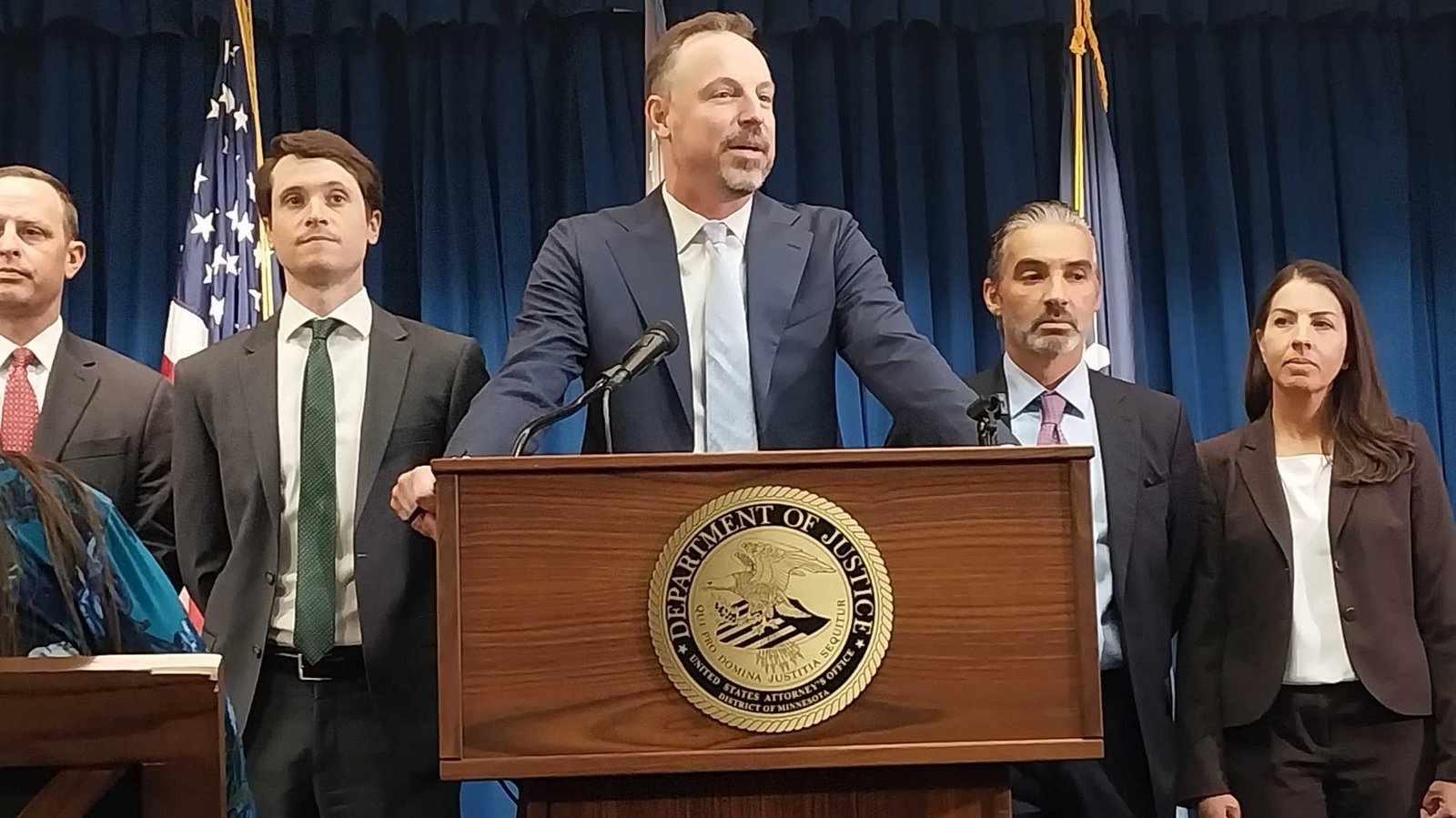
A massive billion-dollar fraud scheme exploited Minnesota taxpayers. Federal and state programs lost immense funds. Fictitious companies hid completely in plain sight. Therefore, this billion-dollar fraud scheme involved programs like Feeding Our Future. One key building housed twenty-two fraudulent business entities. These phantom firms collectively billed millions from Medicaid. Acting U.S. Attorney Joseph Thompson detailed the unusual concentration. He described the entities as purely fictitious creations. Their sole purpose was to defraud the government system.
Furthermore, an in-person investigation revealed stark inconsistencies. Reporters visited multiple addresses tied directly to the scandal. The Griggs-Midway Building was largely abandoned inside. Moreover, a banner advertised open space on the building’s exterior. Several men at the entrance did not speak English. The western side contained some legitimate storefronts however. Those included a hair salon and a property management office. The massive fraud scheme operated beside real businesses. This blending likely helped conceal the criminal activity.
Additionally, another listed address led to a second-story walkup. The location was above a sushi shop. However, the entryway was completely locked to visitors. A window displayed a political sign facing the street. Furthermore, there was little other sign of life inside. Investigators could not confirm any actual operations. Next, a large brick building called Winsor Plaza appeared legitimate. A directory showed doctors’ offices and wealth management services. The specific suite from the claim simply did not exist.
Moreover, a Baltimore Street address presented another fake location. The claim listed a suite one hundred at that address. Moreover, the property was just a single dental office instead. No conglomerate of office spaces existed there. Another commercial address housed two legitimate businesses. Those included a counseling service and a painting company. Therefore, the fraudulent entity never occupied that real space. A St. Paul alleyway led to a small rusted garage. The garage was attached to the back of a church.
Meanwhile, other addresses proved entirely fictional or derelict. One location corresponded to an empty parking lot. Furthermore, the street numbering system did not even match the claim. Another building was boarded up and covered in graffiti. A homeless individual was sleeping outside the structure. The billion-dollar fraud scheme relied on these false fronts. State Senator Mark Koran explained the glaring oversight. He noted a legislative auditor report flagged thirty properties. Property owners told the state the businesses did not exist.
Consequently, officials continued paying millions despite these warnings. This scandal highlights profound systemic failures clearly. Simple site visits would have exposed the phantom companies. Moreover, the scandal ultimately cost taxpayers an extraordinary sum. Federal prosecutors continue investigating the extensive criminal network. Several defendants now face charges for their alleged roles. The case underscores the need for better oversight. Programs designed to help people were ruthlessly exploited. The full scale of the deception may still emerge.

