
Oil market shock rippled through global exchanges after strikes killed Iran’s supreme leader and violence flared near key shipping lanes. The oil market shock intensified as traders reacted to the widening conflict between Iran, the United States, and Israel. Therefore, Oil market shock fears deepened when missiles struck tankers operating close to the region’s most critical oil corridor.
Global benchmark Brent crude jumped sharply in early trading following confirmation that Ayatollah Ali Khamenei died in coordinated strikes. Prices briefly climbed to 82.37 dollars per barrel, marking the highest level since January 2025. Although Brent later eased, it still traded more than seven percent higher at 78.24 dollars by Sunday evening.
Meanwhile, U.S. benchmark West Texas Intermediate crude mirrored the rally with strong gains. WTI surged nearly seven percent to 71.68 dollars after briefly touching 75.33 dollars. That intraday peak represented its highest level since June of the previous year.
Analysts at Citi warned that sustained fighting could push prices even higher. They projected Brent might trade between 80 and 90 dollars per barrel if hostilities continue. Traders increasingly price in risk premiums as uncertainty clouds future supply flows.
The latest escalation followed fresh Israeli strikes on Iranian targets and retaliatory missile launches from Tehran. The confrontation threatens a region responsible for a substantial portion of global crude production. Consequently, energy investors now brace for prolonged instability across the Middle East.
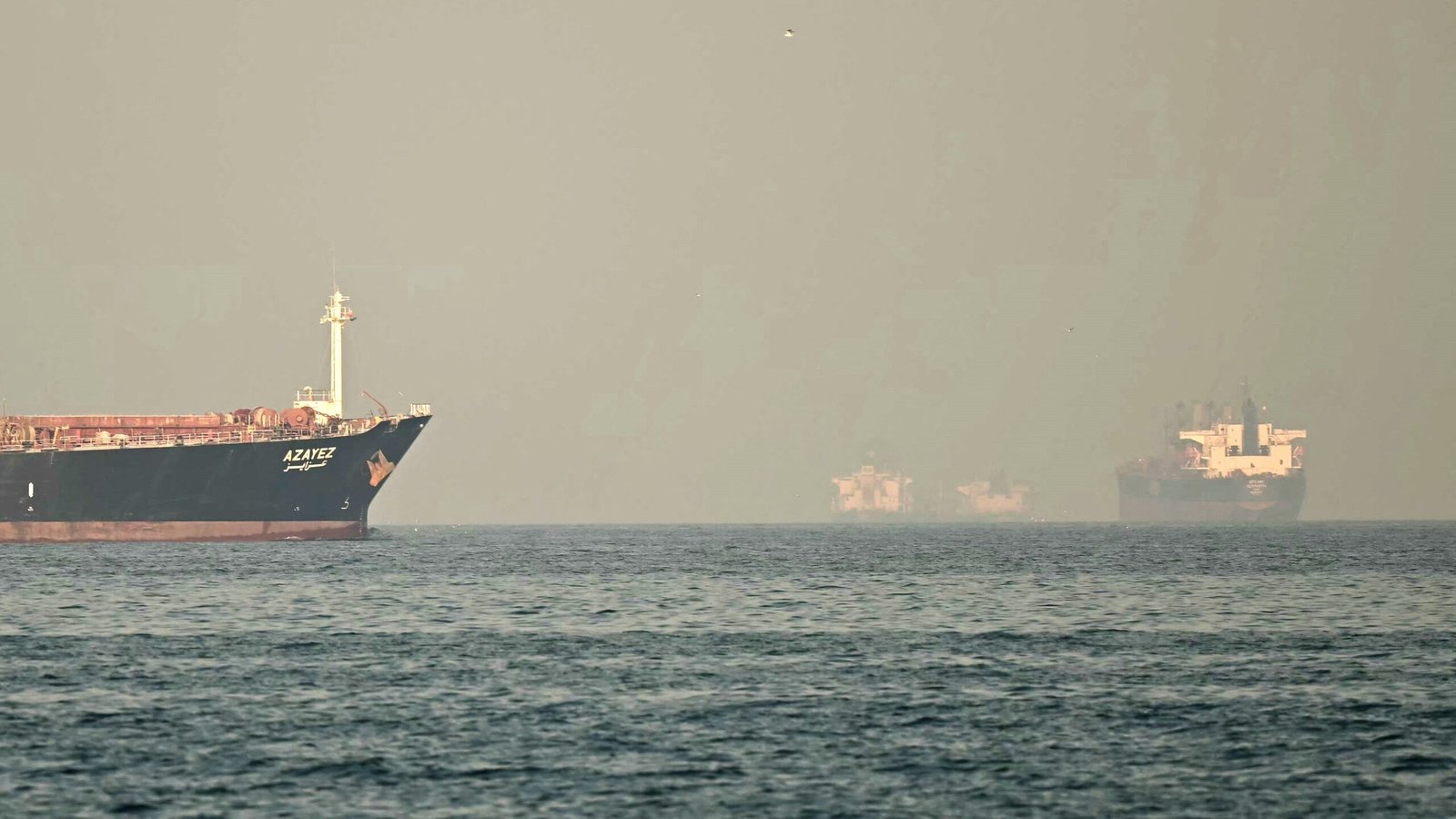
Adding to concerns, missiles struck several oil tankers near the Strait of Hormuz on Sunday. Reports indicated that one crew member died during the attacks, amplifying fears of broader disruption. The narrow passage carries roughly twenty percent of the world’s oil supply.
As tensions mounted, more than two hundred vessels anchored near the corridor awaiting safer conditions. Those ships included crude carriers and liquefied natural gas tankers critical to global energy markets. Shipping delays in such a vital artery could quickly tighten supply chains worldwide.
Investors also watched the Port of Fujairah in the United Arab Emirates, a major regional storage and refueling hub. Any disruption there could compound logistical challenges for exporters and refiners. Market participants increasingly factor maritime security risks into short-term price forecasts.
Energy analysts caution that volatility may persist as military exchanges continue. They note that geopolitical crises often produce sharp swings in commodity markets. For now, the oil market shock underscores how rapidly regional conflict can reverberate through the global economy .

