
The U.S. Department of Energy plans a nuclear financing expansion to build new nuclear power plants nationwide. Officials said this strategy revives nuclear energy and strengthens domestic electricity supplies. The initiative reflects former President Trump’s energy priorities.
Energy Secretary Chris Wright said Monday that the DOE’s Loan Programs Office will dedicate most resources to nuclear power plants. “By far the biggest use of those dollars will be for nuclear power plants to get those first plants built,” Wright told the American Nuclear Society. The plan pairs federal loan support with private equity investment.
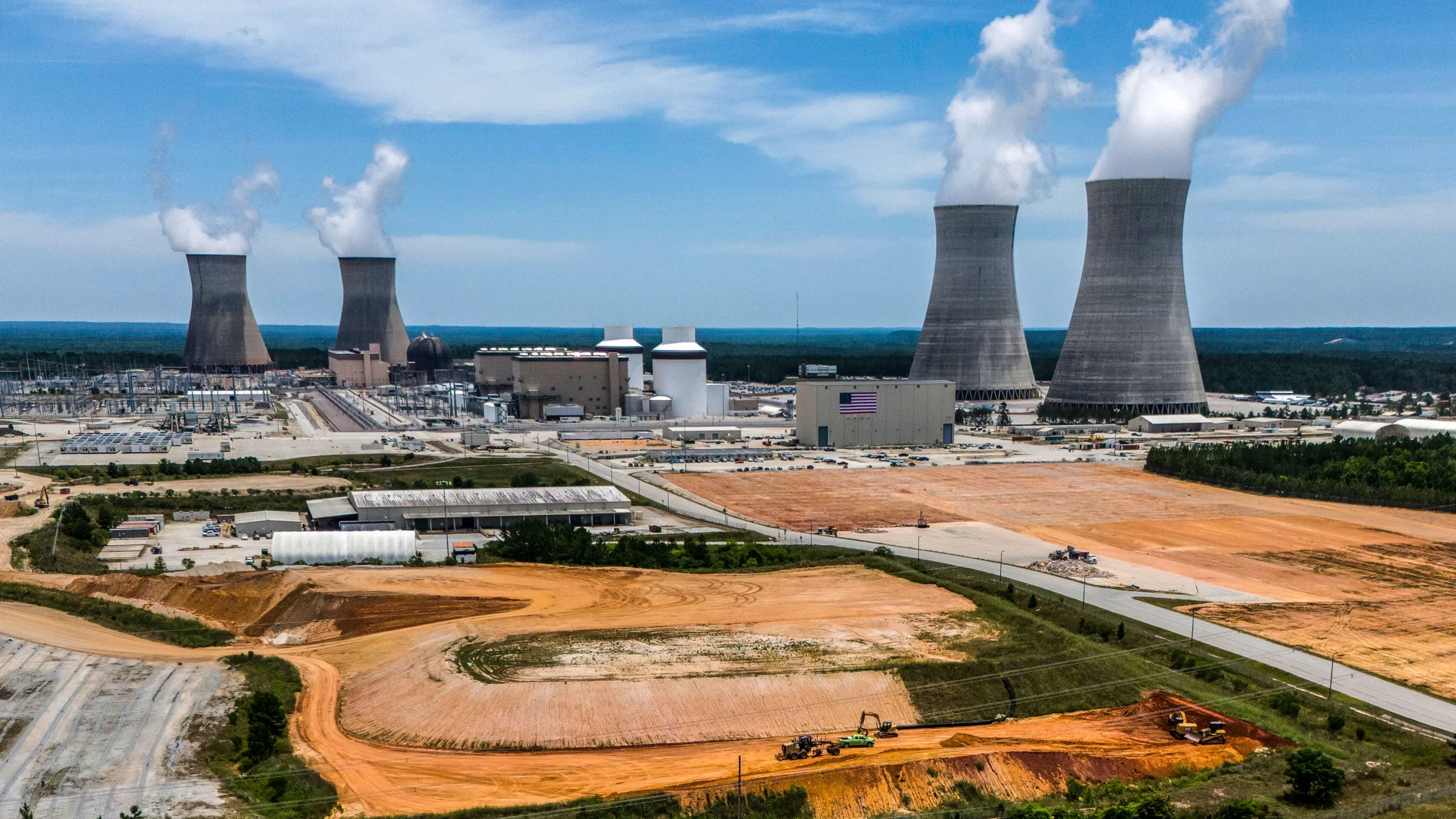
During Trump’s first administration, the DOE’s Loan Programs Office funded only the Vogtle nuclear reactors in Georgia. No new commercial reactors are under construction in the U.S., but several closed plants plan to reopen. Both large and small reactor projects are in early planning stages. The nuclear financing expansion aims to accelerate these developments.
Electricity demand from artificial intelligence applications and data centers will attract billions in private equity, Wright said. In other words, DOE loans could match three-to-one, or even four-to-one, with low-cost private capital. This approach encourages investment and reduces financial risk.
Earlier this year, Trump signed four executive orders to speed nuclear technology deployment. A senior administration official said regulators will remove barriers to help the industry innovate. “This industry is ready to grow. It wants to run. It wants to innovate, and there is a lot of capital available,” the official said.
Industry experts said the nuclear financing expansion could make the U.S. a leader in advanced nuclear technology. They said federal support and private investment will lower construction costs and shorten project timelines. Analysts also emphasized domestic energy independence and national security benefits.
The DOE plans to review funding applications for both large and small modular reactors. Officials expect private investors to provide additional liquidity for projects. The nuclear financing expansion may also create jobs and boost infrastructure in host communities.
Overall, the initiative demonstrates a strong commitment to nuclear energy, economic growth, and technological leadership. By pairing government loans with private investment, the U.S. can achieve a long-delayed resurgence in nuclear power production.
For more business updates, visit DC Brief.