
A major transatlantic regulatory clash erupted over a huge fine. European regulators levied a $140 million penalty against X. This action immediately sparked furious American condemnation. Elon Musk and Trump administration officials led the scorching response. They vehemently accused the EU of attacking free speech. This dispute highlights a fundamental digital governance rift.
Therefore, the European Commission announced the fine on Friday. Officials cited multiple violations of the Digital Services Act. Furthermore, they specifically targeted X’s advertising data transparency. The commission also criticized the platform’s blue checkmark system. Furthermore, they cited a failure to share data with researchers. The EU insists these rules protect citizens online. They firmly stated the fine was not about content moderation.
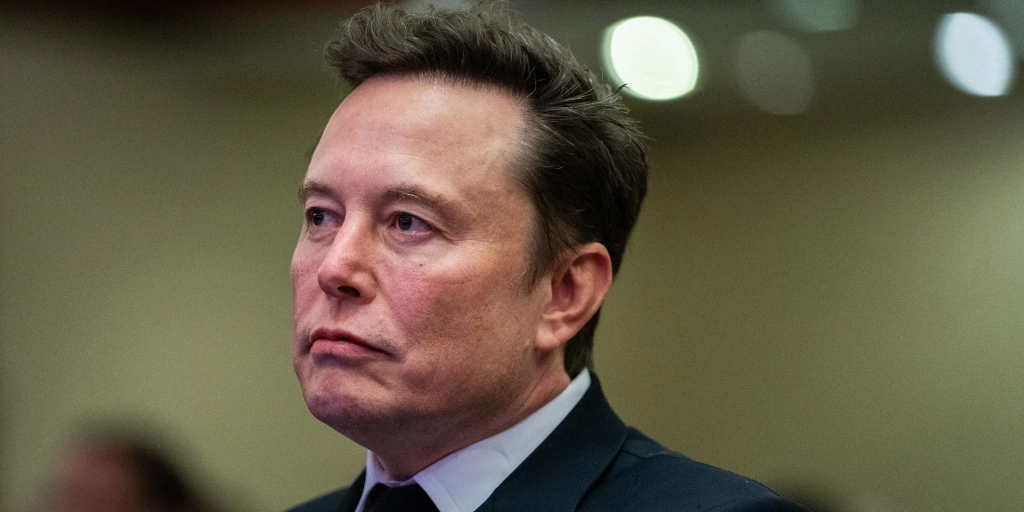
Elon Musk delivered a blistering personal rebuke to the EU. He called the substantial fine complete nonsense publicly. Moreover, Musk also demanded the abolition of the European Union itself. He argued individual national sovereignty would better represent people. The billionaire claimed the EU personally targeted him with the fine. This transatlantic regulatory clash centers on bureaucratic overreach according to Musk.
However, top United States officials quickly echoed this fierce criticism. Secretary of State Marco Rubio condemned the EU’s decision strongly. He framed the action as an attack on all American tech. Moreover, Vice President JD Vance similarly criticized the European Union’s stance. He said the EU should support free speech instead. Commerce Secretary Howard Lutnick also denounced the Digital Services Act. He said the law clearly aims to stifle American companies.
Therefore, the Trump administration is promoting free speech globally. Consequently, this fine represents a direct challenge to that agenda. American lawmakers are now urging a forceful retaliatory response. Meanwhile, some suggest imposing sanctions until the EU reverses the fine. This escalating conflict threatens wider diplomatic and trade relations. The growing transatlantic regulatory clash has no clear resolution in sight.
European regulators remain steadfast in defending their digital rules. They argue that transparency requirements are essential for democracy. Researchers need access to data to study online disinformation. Therefore, the commission spokesperson reiterated the fine’s narrow scope. They affirmed the decision solely involved transparency provisions. This transatlantic regulatory clash pits different philosophies against each other fundamentally.
The outcome of this dispute will influence global internet governance. Other countries are closely watching the confrontation unfold. American tech giants face increasing regulatory pressure worldwide. The hefty fine against X signals the EU’s serious enforcement intent. This conflict may redefine how platforms operate across borders. The digital divide between the United States and Europe is widening considerably.

