
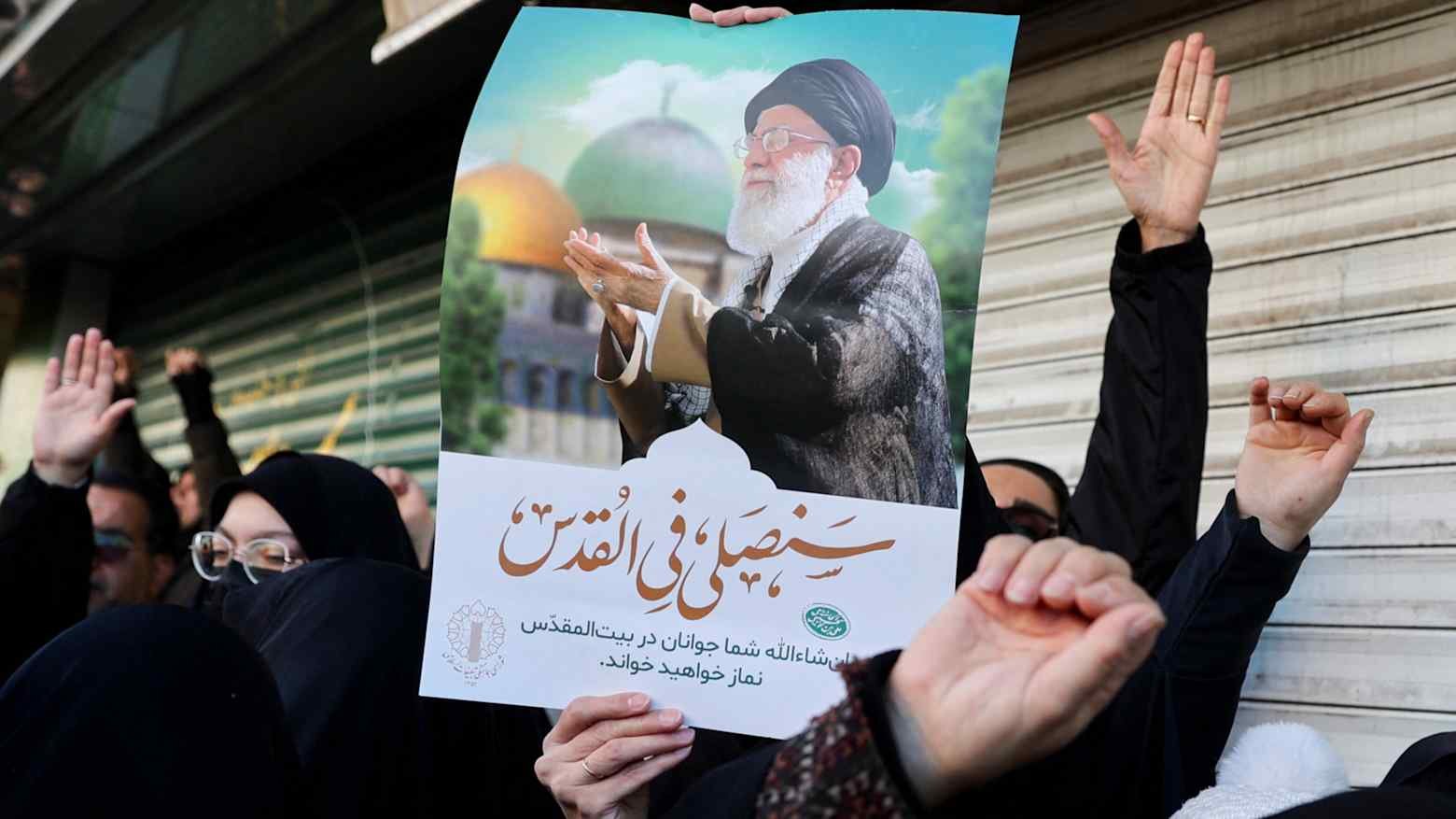
Israel dramatically intensified the threat to Iran’s leader on Wednesday by declaring any successor to Iran’s slain supreme leader could face elimination if hostile policies persist. The statement signals a major escalation in Israel’s wartime strategy and raises the stakes across an already volatile Middle East.
Israeli Defense Minister Israel Katz delivered the warning as Iran’s Assembly of Experts prepares to appoint a new supreme leader. He stated clearly that Israel will judge the next leader by actions rather than titles. Furthermore, he emphasized that continued aggression toward Israel or its allies would trigger consequences.
The declaration followed the death of Ayatollah Ali Khamenei in an Israeli strike earlier in the conflict. Israeli forces launched that operation at the outset of the war, targeting what officials described as critical pillars of Iran’s power structure. Consequently, the conflict entered a new and unpredictable phase.
Now, as Tehran organizes its leadership transition, Israeli officials continue to apply pressure. Katz argued that replacing one leader with another will not shield Iran from accountability. Instead, he insisted that policy continuity would invite direct action.
In addition, Israeli forces reportedly struck sites connected to Iran’s clerical leadership network in recent days. Those operations indicate that Israel seeks to weaken not only military infrastructure but also the regime’s governing apparatus. Therefore, analysts view the strategy as broader than conventional battlefield objectives.
The Iran Leader Threat reflects Israel’s determination to prevent Tehran from reestablishing centralized authority under a figure committed to confrontation. Officials in Jerusalem argue that decisive measures now could deter future attacks. At the same time, critics warn that such rhetoric could inflame tensions further.
Meanwhile, Iran’s Assembly of Experts faces mounting pressure to present a successor swiftly. The body holds constitutional authority to appoint and oversee the supreme leader. However, the current security climate complicates deliberations and narrows political space.
So far, Iranian authorities have not publicly responded to Israel’s explicit warning. Nevertheless, regional observers expect heightened security measures and possible retaliatory messaging. In turn, global leaders monitor developments closely as diplomatic channels strain under wartime realities.
Ultimately, the Iran Leader Threat underscores how leadership succession now sits at the heart of the conflict. Israel has made clear that future Iranian policy will determine future Israeli action. As both nations navigate a precarious moment, the region braces for consequences that could reshape its strategic landscape.