
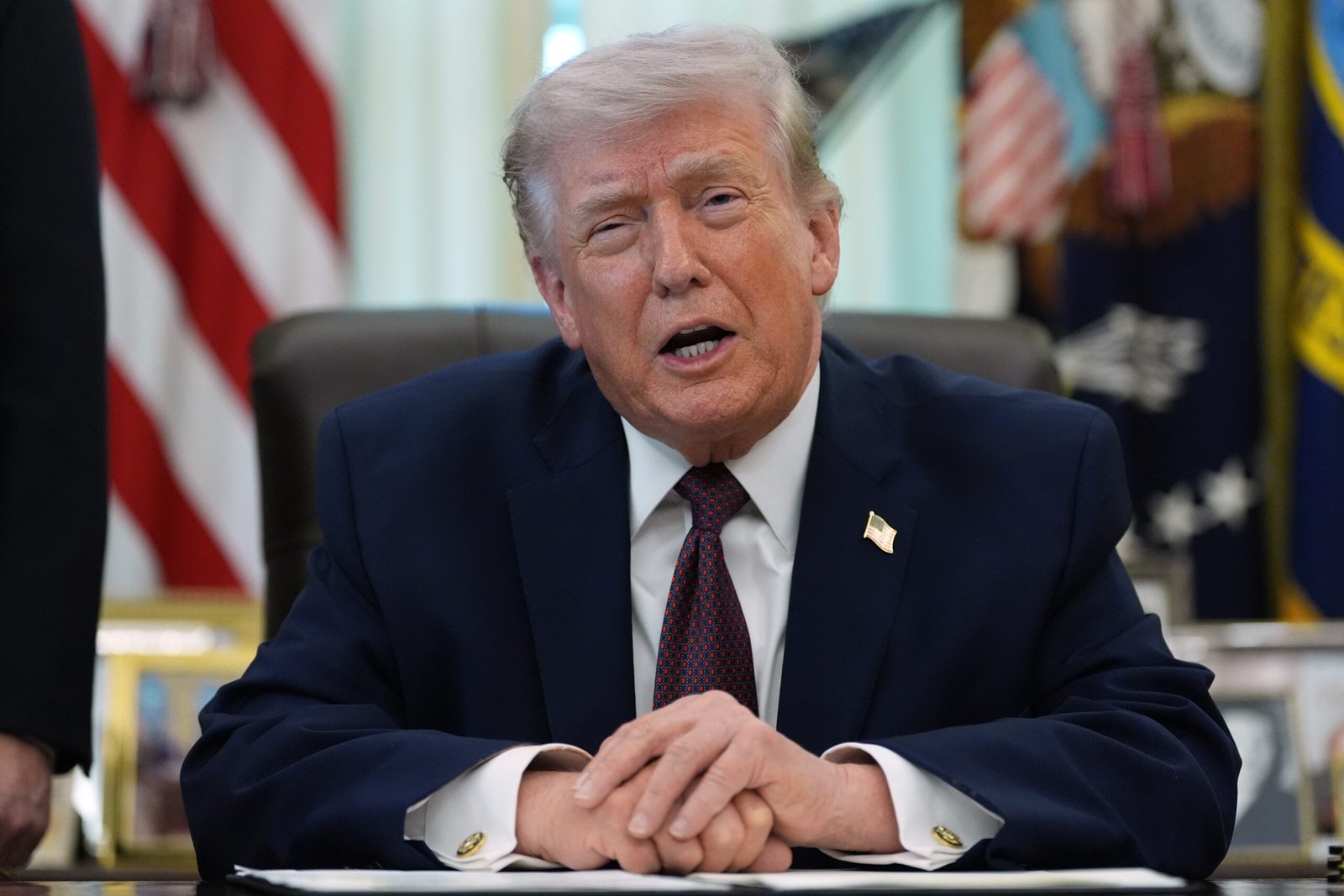
President Donald Trump issued a sharp Iran strike threat, warning Iran to reopen the Strait immediately. The Iran strike threat underscores rising tensions as global markets react to disruptions in critical oil shipments. It also signals a potential escalation in military action if diplomatic efforts fail within days.
Trump stated that U.S. forces would target Iranian power plants and major bridges without delay. He warned that failure to comply would trigger widespread strikes across strategic infrastructure locations inside Iran. His comments reflected increasing frustration as negotiations continued without a clear resolution to the ongoing crisis.
Meanwhile, Iran has restricted movement through the Strait of Hormuz, a vital route for global oil trade. This disruption has slowed tanker traffic and contributed to rising energy prices across international markets recently. As a result, economic concerns have intensified alongside growing fears of further conflict in the region.
Trump expressed optimism that negotiations could still produce a breakthrough agreement before his stated deadline arrives. However, he also emphasized that military options remain fully prepared if talks fail to deliver results quickly. This dual approach highlights ongoing efforts to combine diplomacy with credible threats of force when necessary.
In addition, the administration signaled readiness to expand operations targeting infrastructure linked to Iran’s economic stability. Officials believe such actions could pressure leadership to reopen the waterway and restore global shipping activity. At the same time, analysts warn that escalation could trigger broader instability across already volatile regional dynamics.
Previously, Trump issued similar warnings while extending deadlines as negotiations showed intermittent signs of progress. However, his latest statements appear more forceful, suggesting reduced patience with delays in reaching an agreement. Consequently, observers are closely monitoring developments as the deadline approaches and tensions remain high.
Furthermore, the administration continues coordinating with military leadership to prepare for potential operations if required soon. Planning efforts include evaluating targets, securing regional assets, and maintaining readiness for rapid deployment across affected areas. These preparations reflect the seriousness of the situation and the administration’s willingness to act decisively.
The Iran strike threat now places significant pressure on both diplomatic channels and military decision-making processes. Lawmakers, allies, and global markets will likely react strongly depending on Iran’s next moves regarding the strait. Ultimately, the coming days may determine whether negotiations succeed or conflict escalates further in the region.

