
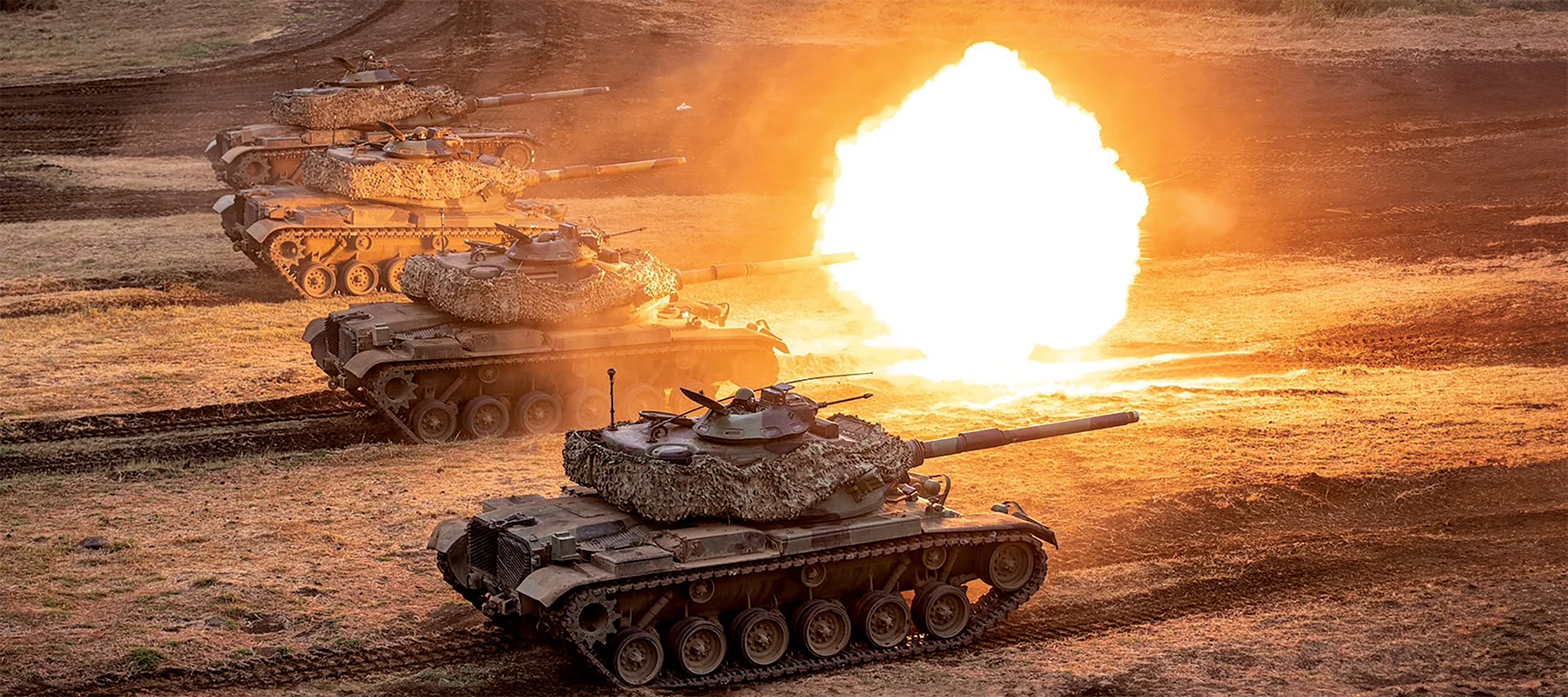
The Iran Strike Campaign has intensified as U.S. and Israeli forces hit thousands of targets. Meanwhile, officials report widespread damage to Iran’s military infrastructure, signaling a major escalation in regional conflict. Consequently, the campaign marks one of the most extensive coordinated strike efforts in recent history.
Military officials state that forces have struck more than eleven thousand targets across Iran. These strikes have focused on naval assets, missile systems, and key nuclear-related facilities. As a result, Iran’s operational capabilities have faced significant disruption across multiple strategic sectors.
In particular, the campaign has severely weakened Iran’s naval presence through repeated precision attacks. Reports indicate that approximately one hundred fifty vessels have been destroyed during ongoing operations. Therefore, analysts suggest Iran’s maritime strength has suffered one of its most serious setbacks.
Additionally, strikes have targeted critical nuclear infrastructure sites believed to support Iran’s development programs. Facilities in locations such as Arak and Ardakan have experienced heavy damage during operations. Consequently, concerns about nuclear escalation remain central to the broader geopolitical implications of the conflict.
At the same time, Iran has launched retaliatory actions targeting Israeli infrastructure and strategic locations. One such strike reportedly hit an oil refinery near Haifa, sparking fires at the facility. However, officials indicate that the damage did not significantly disrupt broader energy operations in Israel.
Unverified reports have also circulated regarding potential impacts in Tel Aviv following Iranian responses. Meanwhile, conflicting accounts continue emerging as both sides manage information during ongoing military engagements. Therefore, independent verification of specific damage claims remains limited amid restricted communication channels.
The Iran Strike Campaign has unfolded alongside a nationwide internet blackout affecting millions inside Iran. This disruption has limited access to information and isolated many civilians during the escalating conflict. As a result, reports of civilian conditions and impacts remain difficult to confirm independently.
Public reaction among Iranians appears deeply divided both inside the country and abroad. Some opposition figures have welcomed the strikes, viewing them as a potential turning point politically. However, others express concern about civilian harm and the broader consequences of prolonged military escalation.
In the United States, the conflict has also sparked debate regarding its humanitarian and strategic implications. Some policymakers support the operation’s objectives, while others question the long-term impact of continued strikes. Meanwhile, officials signal that the campaign could continue for several weeks depending on developments.
The Iran Strike Campaign continues shaping regional dynamics as diplomatic channels remain uncertain amid ongoing fighting. Although officials hint at possible backchannel discussions, no formal negotiations have been publicly confirmed. Consequently, the situation remains fluid as military operations and political responses continue evolving rapidly.