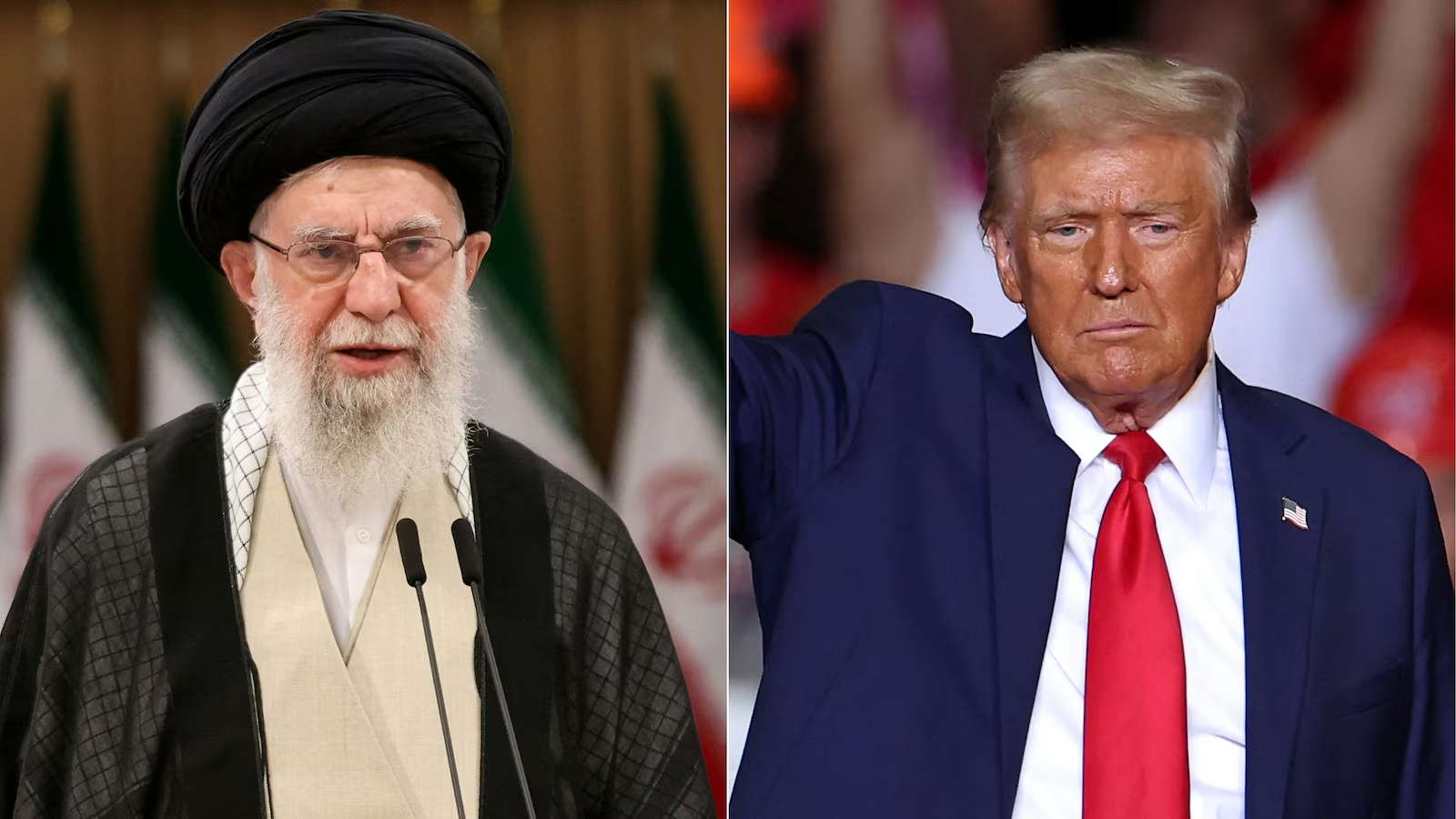
Negotiations between the United States and Iran advanced in Geneva despite deep disagreements remaining unresolved. Iranian officials described discussions as constructive, while Washington insisted dismantling Tehran’s nuclear capabilities completely. This nuclear standoff highlighted rising geopolitical tensions and uncertain prospects for diplomatic compromise globally.
Iranian Foreign Minister Abbas Araghchi said negotiators agreed on general principles during meetings in Switzerland. He explained both sides planned exchanging draft proposals outlining terms for a potential agreement soon. Furthermore, he emphasized progress compared to previous sessions, describing talks as serious and forward moving. However, he acknowledged drafting detailed agreements would require additional time and careful technical negotiations.
Meanwhile, the United States maintained strict conditions for any future agreement with Iranian authorities. Officials insisted Tehran must dismantle enrichment capabilities, restrict missile development, and limit regional activities. These demands reflected longstanding American concerns regarding nuclear proliferation and regional security threats. Consequently, the nuclear standoff continued shaping diplomatic strategy and influencing international security discussions significantly worldwide.
Iran’s Supreme Leader Ali Khamenei publicly rejected calls eliminating the country’s nuclear program entirely. He argued negotiations could not succeed if Washington demanded abandoning nuclear energy capabilities permanently. His statement signaled firm resistance against concessions undermining Iran’s technological and strategic sovereignty goals. Therefore, his comments reinforced uncertainty surrounding negotiations and complicated efforts toward reaching consensus agreements.
President Donald Trump closely monitored developments and reaffirmed American negotiating priorities publicly this week. He emphasized dismantlement remained essential requirement before any sanctions relief or diplomatic normalization occurred. Additionally, he warned military options remained available if negotiations failed producing acceptable outcomes. His position underscored Washington’s determination preventing Iran from maintaining nuclear weapons potential capabilities.
At the same time, the United States expanded military deployments across strategic Middle Eastern locations recently. The aircraft carrier USS Abraham Lincoln operated in regional waters supporting deterrence operations nearby. Furthermore, additional fighter aircraft and defense systems strengthened American presence throughout allied regional bases. These deployments demonstrated readiness responding quickly if diplomatic negotiations deteriorated into confrontation unexpectedly.
Iranian officials referenced previous American strikes against nuclear facilities complicating diplomatic trust significantly recently. They argued military actions undermined confidence and increased skepticism regarding Washington’s negotiation intentions greatly. Consequently, Iranian leaders balanced diplomatic engagement with warnings defending national security interests forcefully. This nuclear standoff reflected broader strategic rivalry influencing regional stability and international diplomatic relations.
Despite strong rhetoric, both sides agreed continuing negotiations offered possibility for peaceful resolution eventually. Diplomats emphasized dialogue remained preferable alternative compared with military confrontation and escalation risks. However, fundamental disagreements regarding dismantlement versus preservation continued obstructing final agreement prospects significantly. Therefore, future discussions will determine whether diplomacy resolves tensions or intensifies geopolitical confrontation globally.