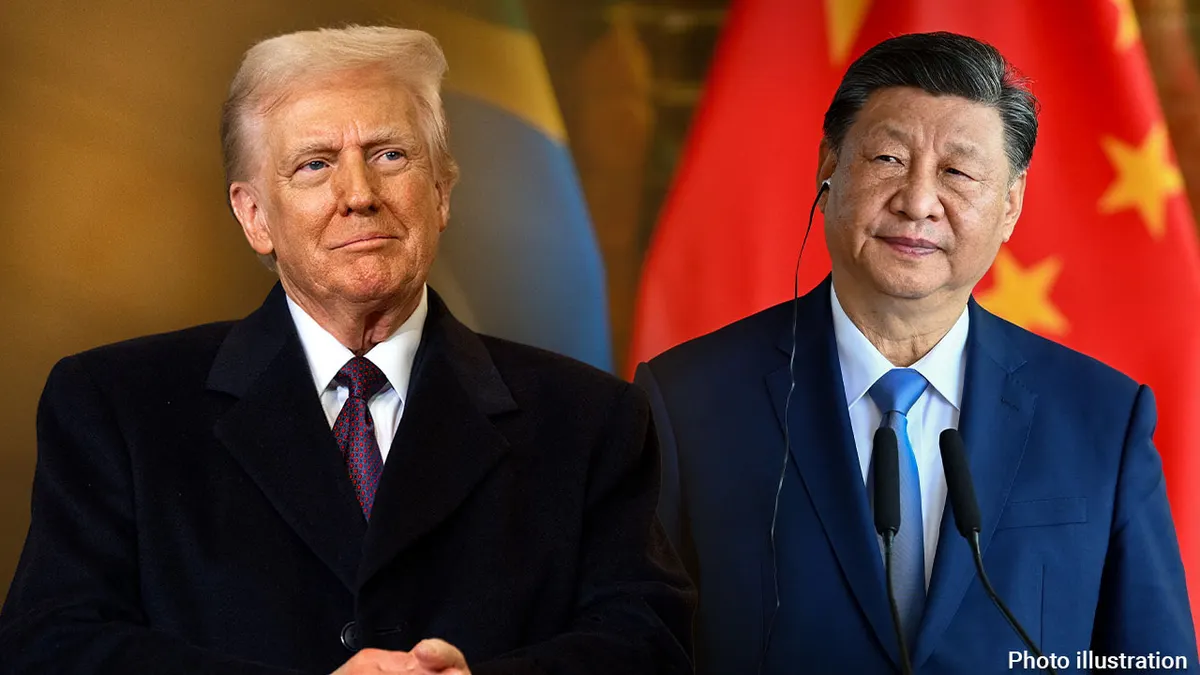
President Donald Trump delayed his meeting with Chinese President Xi Jinping due to Iran’s oil leverage. The decision comes as U.S. strikes on Iran disrupt oil flows that China heavily depends on. Originally scheduled for March 31 to April 2, the summit was postponed by roughly five weeks. Trump explained the delay was necessary because the United States faces a war with Iran. White House press secretary Karoline Leavitt confirmed that both sides agreed to set a later date. U.S. actions against Iran and Venezuela have increased oil costs without fully cutting off supply. The ongoing conflict highlights how Iran’s oil leverage could shape U.S.-China negotiations in the coming weeks.
China remains the largest buyer of Iranian oil despite shipping disruptions and elevated risk in transit. Increased logistical challenges have raised the cost of crude, squeezing Beijing’s vital energy lifeline. Analysts note that the Trump administration may gain influence by increasing the risks China faces in obtaining oil. In 2023, China helped broker a Saudi-Iran deal, showing Beijing’s influence in Middle Eastern diplomacy. Escalating conflict now exposes China’s limited ability to protect partners once fighting intensifies in the region. U.S. observers argue this development reinforces the strategic significance of Iran’s oil leverage in trade. Oil disruptions affect global markets and require China to compete for discounted crude more directly.
U.S. military operations in Iran provide real-world experience for forces while straining munitions and stockpiles simultaneously. Officials warn that heavy use of missile interceptors in the Middle East limits immediate Indo-Pacific defense capacity. The U.S. temporarily eased sanctions on Iranian oil already loaded on tankers to stabilize markets. These waivers increased competition for oil previously flowing to China, intensifying costs and logistical challenges. Additional allowances for Russian oil further reshape global flows, forcing China to adjust procurement strategies quickly. Analysts emphasize that China prioritizes economic stability while maintaining distance from direct involvement in the conflict. Beijing’s diplomatic messaging underscores its cautious approach while monitoring U.S. actions in the Middle East closely.
Overall, the delay in Trump-Xi talks reflects growing complexity in balancing immediate military priorities with longer-term economic goals. Experts argue Iran’s oil leverage strengthens Washington’s position while signaling limitations in China’s protective capacity. As the conflict continues, both nations navigate overlapping energy, diplomatic, and security interests in an increasingly tense environment.