
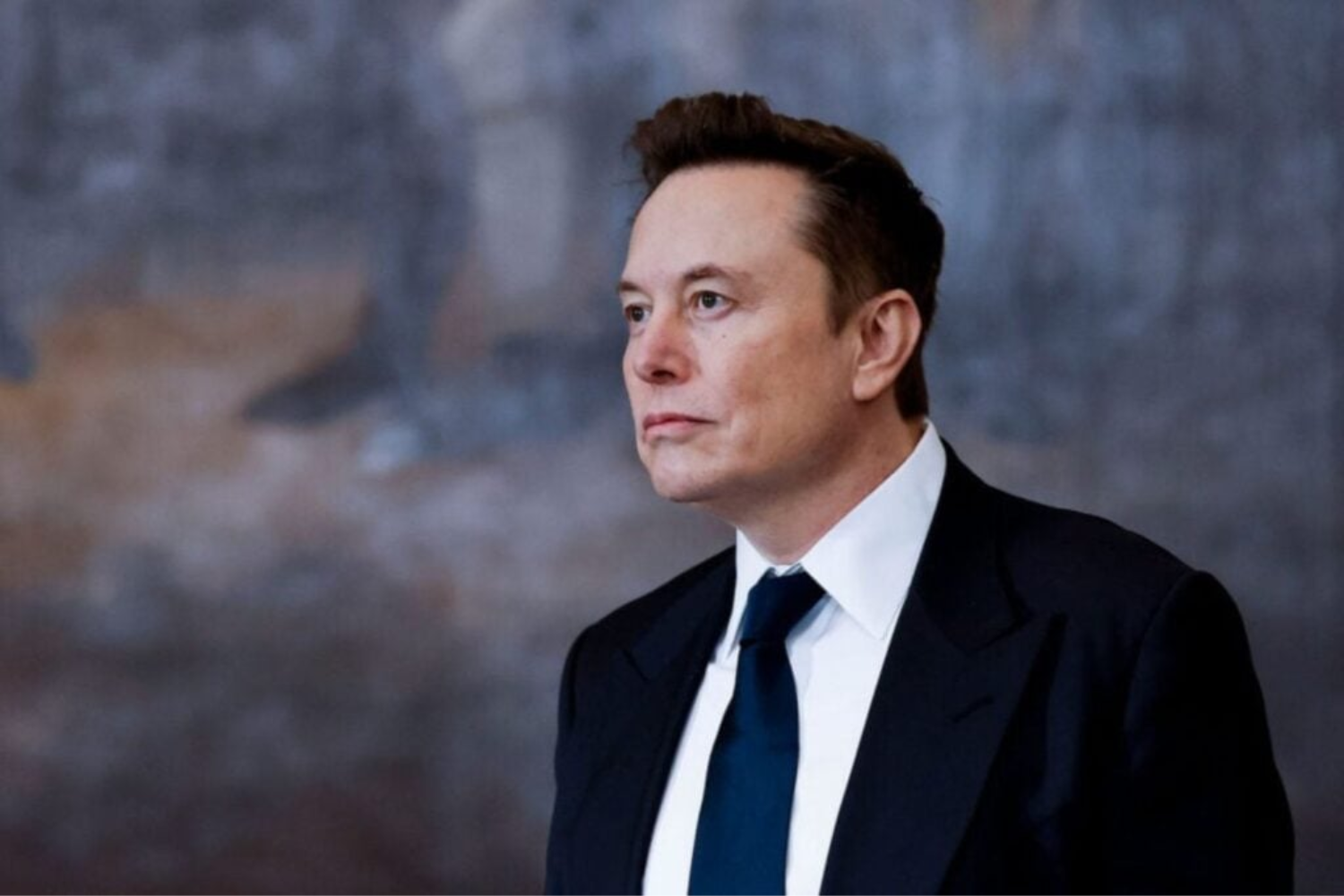
Intel has joined the Terafab chip project, partnering with Elon Musk’s SpaceX and Tesla. Consequently, the Terafab chip project aims to build a large U.S. semiconductor factory. It will produce advanced compute for AI, robotics, and autonomous systems. Furthermore, this collaboration strengthens domestic chip production and technological leadership.
Intel said its experience in designing, fabricating, and packaging high-performance chips will accelerate Terafab’s progress. Meanwhile, the project plans to generate one terawatt per year of computing power for AI and robotics. Elon Musk first announced the initiative as a joint effort between Tesla and SpaceX. Their goal includes chips for satellites, AI workloads, and autonomous vehicles.
Building a semiconductor fabrication plant is extremely complex and costly. Typically, a fab requires more than twenty billion dollars and several years of construction. Additionally, it needs massive clean rooms and thousands of precise machines for silicon production. Previously, investors questioned whether Tesla and SpaceX could manage such a challenging project alone.
Intel’s involvement addresses these concerns by providing a proven leader in chip manufacturing. Therefore, the Terafab chip project now benefits from Intel’s decades of semiconductor expertise. Intel also gains two anchor customers for its foundry business. As a result, this strengthens its position in advanced chip production.
Intel once led the U.S. semiconductor industry but has lost ground to Nvidia and AMD. In contrast, competitors often use fabless manufacturing, outsourcing their production to third parties. Consequently, the Terafab chip project may help Intel regain technological leadership through domestic, high-performance chip production.
Intel’s stock rose more than three percent after the announcement, reaching $52.28 per share. Investors responded positively to Intel’s new role in this high-profile collaboration. However, the company has not disclosed additional details about its contribution. Meanwhile, SpaceX also declined to comment about the partnership.
With Intel’s participation, the Terafab chip project is positioned to meet ambitious production targets. Furthermore, analysts say the project could improve U.S. technology infrastructure and strengthen global semiconductor competitiveness. Additionally, the collaboration highlights the growing importance of domestic chips for AI, robotics, and autonomous innovations.