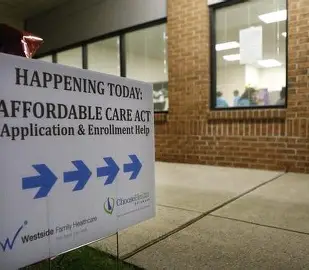
Several insurance penalties states still enforce fines, highlighting ongoing debates over healthcare access nationwide. Although federal penalties ended years ago, certain states continue requiring residents to maintain coverage. Consequently, millions who dropped insurance recently may face financial consequences depending on their location. These insurance penalties aim to encourage broader participation in insurance systems and stabilize healthcare costs overall. Currently, California, Massachusetts, New Jersey, Rhode Island, and Washington, D.C. enforce these healthcare coverage requirements. Residents in these areas must either maintain insurance coverage or qualify for exemptions under state rules. Otherwise, they may pay penalties during annual tax filings based on income or household size.
Generally, these fines involve either flat fees or income percentages, whichever produces higher payments. However, each jurisdiction sets limits based on the cost of basic insurance plans available locally. For example, California imposes significant penalties that increase depending on family size and income levels. Similarly, Massachusetts calculates penalties based on income while considering available lower-cost insurance options. Meanwhile, New Jersey uses a structure tied to income and family size with defined payment caps. Rhode Island applies monthly fees per person or income percentages, ensuring penalties remain within set limits. Washington, D.C., also charges monthly amounts while capping total penalties based on insurance plan costs.
Therefore, the insurance penalty states maintain financial incentives aimed at encouraging continuous health coverage participation. Experts note these fines rarely offer savings compared to purchasing even basic health insurance plans. In many cases, individuals might spend similar amounts on penalties without receiving any healthcare benefits. Additionally, unexpected medical expenses combined with penalties could exceed the cost of minimal insurance coverage. Because of this, advisors often recommend purchasing at least basic or catastrophic health plans instead. However, affordability remains a concern, especially after pandemic-era federal subsidies recently expired nationwide.
As a result, some states have strengthened local exchanges to provide additional financial assistance options. These programs aim to help residents find more affordable coverage despite reduced federal support mechanisms. Furthermore, individuals may qualify for exemptions under specific circumstances, such as financial hardship situations. Short coverage gaps or incomes below tax filing thresholds may also exempt certain residents from penalties. Nevertheless, those who do not qualify must comply or face charges within these states. Ultimately, these insurance penalties reflect broader disagreements about healthcare responsibility and policy direction.