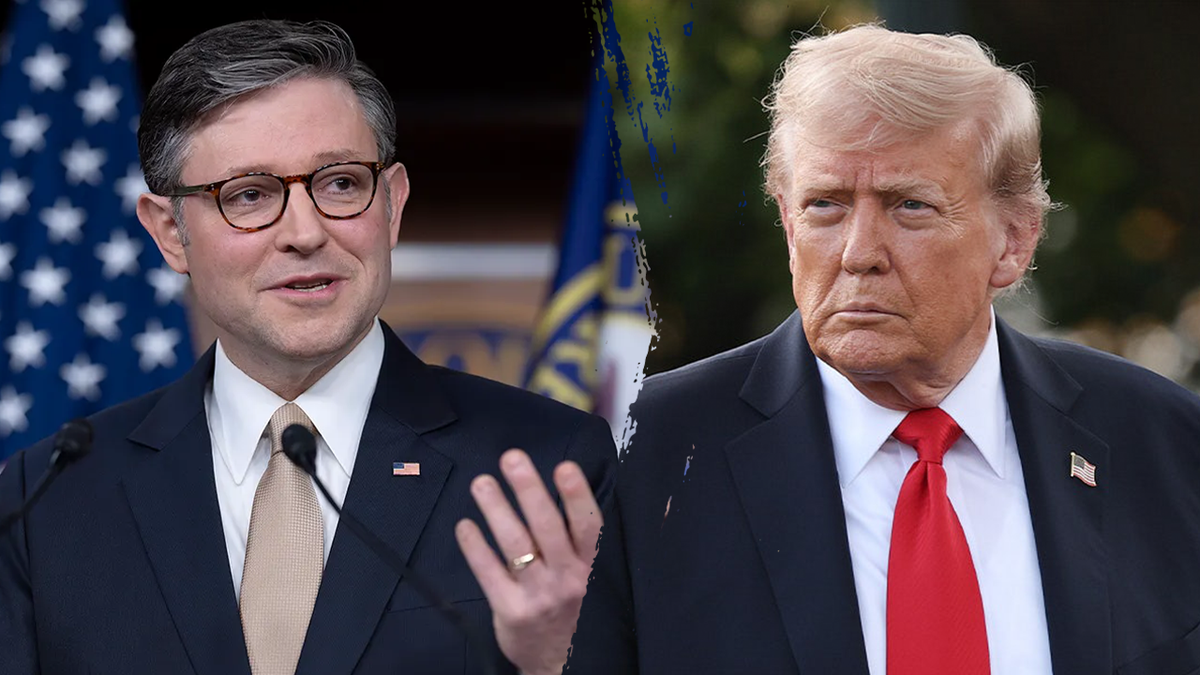
A procedural vote in the House of Representatives collapsed Tuesday evening when three Republicans defied Speaker Mike Johnson over a controversial measure protecting President Donald Trump’s tariff authority. The failed rule vote exposed deepening divisions within the Republican conference and effectively blocked Congress from challenging Trump’s trade agenda on Canada through at least July. The dramatic floor fight forced leaders to extend voting for over thirty minutes while scrambling to contain a mutiny that threatens Johnson’s razor-thin majority.
Speaker Mike Johnson suffered a significant embarrassment Tuesday night as three House Republicans rejected a procedural rule protecting presidential tariff authority. The vote represented the first major intraparty challenge to Trump’s trade policies since Republicans reclaimed unified control of government. Johnson had personally lobbied holdouts throughout the day after delaying the vote by seven hours. The speaker currently manages a majority so narrow that he can afford only a single defection on party-line votes.
Representatives Thomas Massie of Kentucky, Kevin Kiley of California, and Don Bacon of Nebraska each voted no when clerks first called the roll. Johnson held the vote open for more than thirty minutes as leadership aides worked furiously on undecided members. Several additional Republicans initially signaled opposition but ultimately voted yes under intense pressure from conference leaders. The chaotic scene unfolded shortly after 9 p.m. following hours of closed-door negotiations.
The underlying measure involved a routine procedural rule that typically passes with unanimous Republican support. Leadership inserted language preventing the House from considering legislation that would reverse Trump’s Canada tariffs before July. Democrats had planned to force such a vote later this week following the president’s imposition of sweeping duties on Canadian imports. The procedural maneuver effectively neutralized that Democratic strategy but at significant political cost.
Representative Kevin Kiley explained his opposition before the vote during interviews in the Capitol basement. Kiley insisted his objection targeted leadership tactics rather than Trump’s trade policies themselves. He argued that procedural rules should facilitate debate rather than sneak unrelated policy changes. Kiley declared he would not support any rule containing such extraneous language regardless of the underlying policy merits. His stance resonated with institutionalist conservatives frustrated by leadership overreach.
Representative Thomas Massie confirmed similar concerns in discussions with reporters before the vote. The Kentucky libertarian has repeatedly voted against leadership on procedural matters throughout his congressional career. Massie views tariff authority as constitutionally belonging to Congress rather than the executive branch. He argued that members should reclaim their institutional prerogatives even when agreeing with presidential policy goals. His consistent independence makes him a perennial headache for Republican leadership.
Representative Don Bacon joined the rebellion despite representing a competitive Nebraska district where Trump remains popular. Bacon faces constant pressure to demonstrate independence from party leadership while maintaining conservative credentials. His no vote signaled growing unease among swing district Republicans about ceding trade authority indefinitely. Nebraska’s agricultural economy depends heavily on Canadian markets, making tariffs particularly painful for Bacon’s constituents.
Representative Victoria Spartz of Indiana told The Hill earlier Tuesday that she would also oppose the rule. Spartz has cultivated a maverick reputation since arriving in Congress and frequently breaks with party leadership. She nevertheless voted yes when clerks finally called her name late Tuesday evening. Spartz offered no immediate explanation for her reversal, though leadership applied significant pressure throughout the extended vote period.
The tariff authority vote now stands as Johnson’s most serious test since assuming the speakership. Republicans hold only 218 seats against 217 Democrats, leaving virtually no margin for error on partisan legislation. Johnson inherited this precarious majority following special election losses and retirements that steadily eroded Republican numbers. Each defection forces Johnson to seek Democratic support or abandon legislation entirely. Tuesday’s rebellion demonstrated that even procedural votes now carry existential risk.
Democrats watched the Republican infighting with barely concealed satisfaction from their side of the aisle. Minority Leader Hakeem Jeffries made no effort to provide Democratic votes rescuing Johnson from his predicament. Democratic aides confirmed the party had planned an aggressive messaging campaign around the Canada tariffs vote. Those plans now proceed amid footage of Republican procedural chaos playing across cable news.
The tariff authority vote language will remain in the rule despite Tuesday’s parliamentary failure. Johnson must now decide whether to attempt another vote later this week or abandon the procedural gambit entirely. Either option carries significant political peril for the embattled speaker. Abandoning the language would hand Democrats a clear victory on messaging. Forcing another vote risks repeating Tuesday’s humiliation with potentially worse defections.
Conservative critics of unlimited presidential tariff authority celebrated Tuesday’s rebellion as long overdue. Freedom Caucus members quietly encouraged colleagues to oppose the rule despite public deference to Trump. Several conservative groups have warned that expansive tariff power invites retaliation against American exporters. Agricultural states face particular vulnerability as Canada targets Republican districts with retaliatory duties. The tariff authority vote crystallized tensions between Trump loyalty and constituent service.
The White House declined comment on the failed vote Tuesday evening. Trump has made tariffs central to his second-term economic agenda and expects Republican loyalty on trade votes. His political operation maintains detailed records of member votes on priority issues. Tuesday’s defectors can expect pressure from Trump allies in coming days and weeks. The president rarely forgives Republicans who complicate his legislative objectives.
Johnson adjourned the House immediately following the failed tariff authority vote without scheduling further action. Members scattered into the rainy Washington night without clear direction on next steps. Leadership aides insisted the speaker remains committed to protecting presidential tariff authority through procedural means. They offered no timeline for bringing another rule to the floor. Republicans now face an uncertain path forward on trade while Democrats sharpen their political knives.