
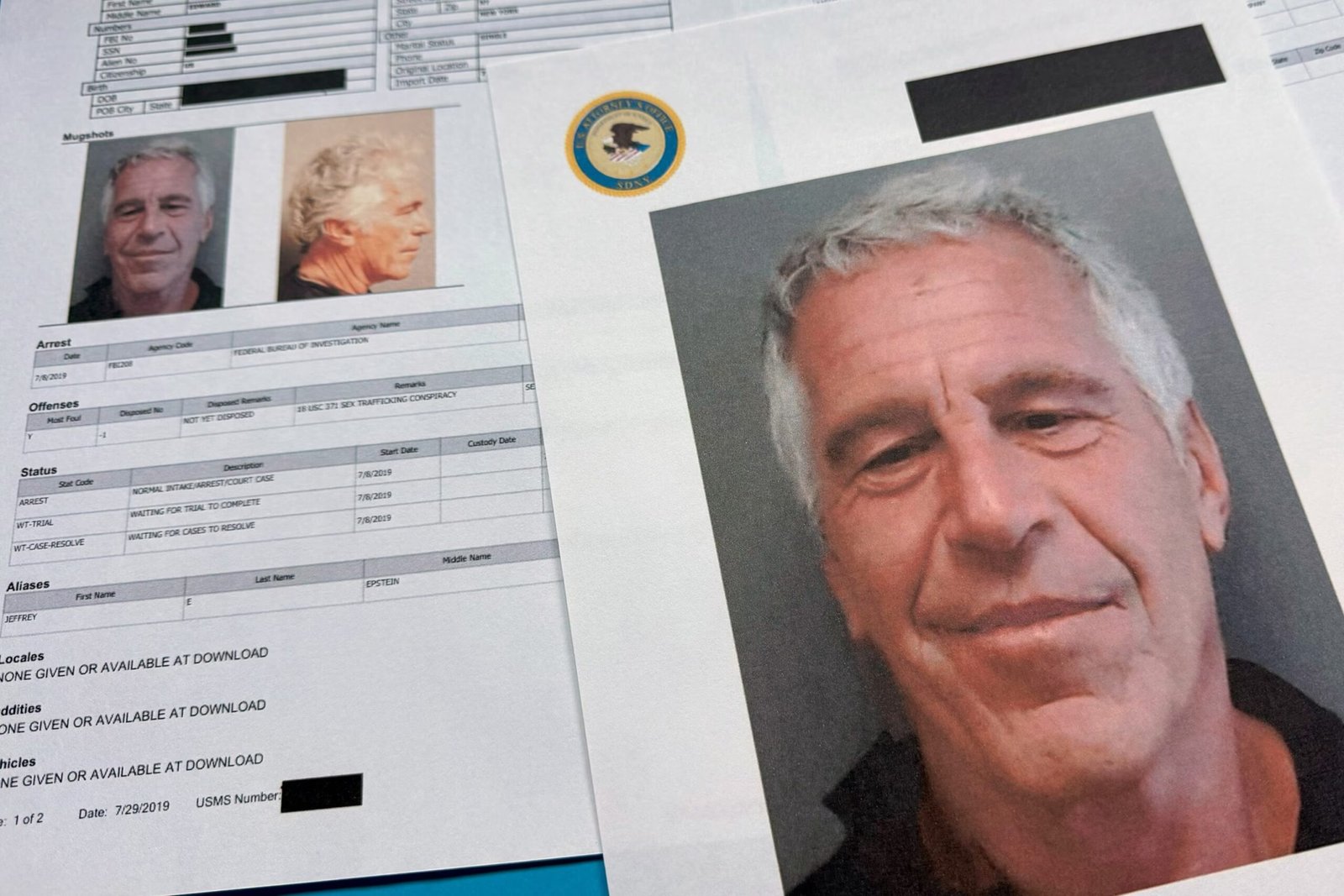
The Department of Justice removed thousands of Epstein documents after victims reported their personal information was exposed. The release of these Epstein documents revealed names, email addresses, and private photos of survivors. Lawyers warned the files disrupted the lives of nearly one hundred victims.
Survivors criticized the release as outrageous. They said it exposed them to danger and retraumatized them. The DOJ said it removed all flagged files and admitted technical and human mistakes caused the exposure. In a letter to a federal judge, the department confirmed it had taken down all requested files for proper redaction. Officials said they continue reviewing other documents to prevent further exposure. They also removed files identified independently.
Congress required the release of Epstein documents but mandated the government protect victim identities. Two lawyers representing survivors called the release the worst violation of victim privacy in U.S. history. They asked a judge to remove the files immediately. Several victims said the release caused serious harm. One survivor received death threats after her banking information appeared online. Another described the situation as life-threatening. Survivors said they could not focus on new information due to the damage caused.
Lawyers and victims criticized the DOJ for failing to meet three requirements: disclose all documents, release files on time, and protect survivor identities. Some victims added that the department delayed proper handling. A women’s rights lawyer confirmed that some files included names and photos of victims who had never appeared publicly. The DOJ said it redacted thousands of names and works continuously to fix remaining problems.
Officials said less than 0.1 percent of released pages exposed personal information. Millions of Epstein documents have appeared since the law required their release, including millions of pages, thousands of images, and hundreds of videos. Epstein died in prison while awaiting trial on sex trafficking charges. The DOJ continues reviewing all files to protect survivors while following the law.