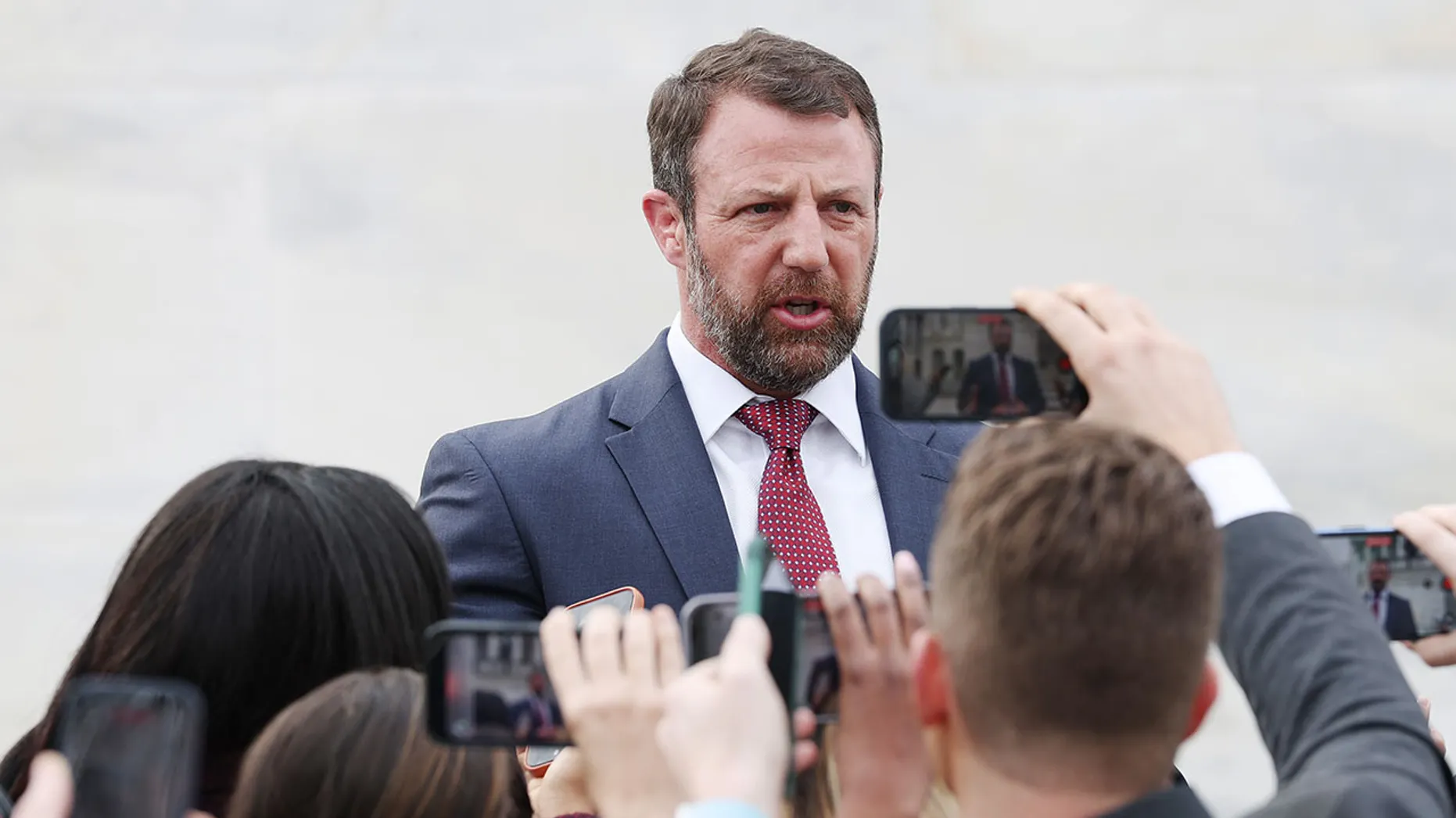
Senator Markwayne Mullin was confirmed as the ninth Homeland Security secretary amid a DHS funding standoff. His confirmation closes a leadership gap while lawmakers continue negotiations to resolve the government shutdown. Mullin replaces outgoing Secretary Kristi Noem, whose reassignment followed controversial hearings and administrative turbulence last month. President Donald Trump nominated Mullin earlier this month, emphasizing his legislative experience and ties bridging both congressional chambers. Senate Republicans largely supported his nomination, with Sens. John Fetterman and Martin Heinrich crossing party lines to vote yes. Sen. Rand Paul voted against Mullin, citing prior disagreements and past controversial statements. The confirmation vote largely fell along party lines, reflecting partisan divisions during the DHS funding standoff.
Mullin’s career spans thirteen years in Congress, including service in both the House and Senate. He co-chaired the Senate Legislative Branch spending committee alongside Sen. Heinrich, highlighting his bipartisan approach. Ahead of the vote, Mullin attended the chamber with family, casting his final vote personally. Lawmakers noted his ability to negotiate between House and Senate members during last year’s legislative efforts. Observers say his confirmation may ease some operational uncertainty while the DHS funding standoff persists. Trump emphasized that passing the SAVE America Act should be tied directly to funding agreements in negotiations. Senate leadership began discussions over the weekend, calling talks productive despite ongoing partisan disagreements over DHS funding.
The government shutdown has now lasted thirty-six days, affecting critical agencies including ICE and Customs operations. Senate Democrats continue demanding extensive reforms to immigration enforcement before agreeing to allocate DHS funding. Lawmakers attempted temporary extensions multiple times, but partisan disputes prevented any final resolution during recent votes. Senate Majority Leader John Thune met with Minority Leader Chuck Schumer to explore potential compromise options. Trump complicated negotiations by insisting all agreements include his proposed SAVE America legislation in full. The president urged Republicans to combine legislative priorities and pressure Democrats to vote along party lines. Senate Republicans indicated willingness to separate ICE and Customs funding for reconciliation if necessary to end the shutdown. Meanwhile, Democrats rejected any combined approach, maintaining opposition to the SAVE America Act proposals.
Observers note that Mullin’s confirmation provides leadership stability, but does not immediately resolve the DHS funding standoff. Lawmakers must continue navigating partisan disagreements to fund essential homeland security operations before delays worsen. Both parties remain under pressure to finalize agreements while maintaining oversight and pursuing legislative priorities. The coming weeks will test Congress’s ability to balance political goals with agency operational needs during the ongoing crisis.