
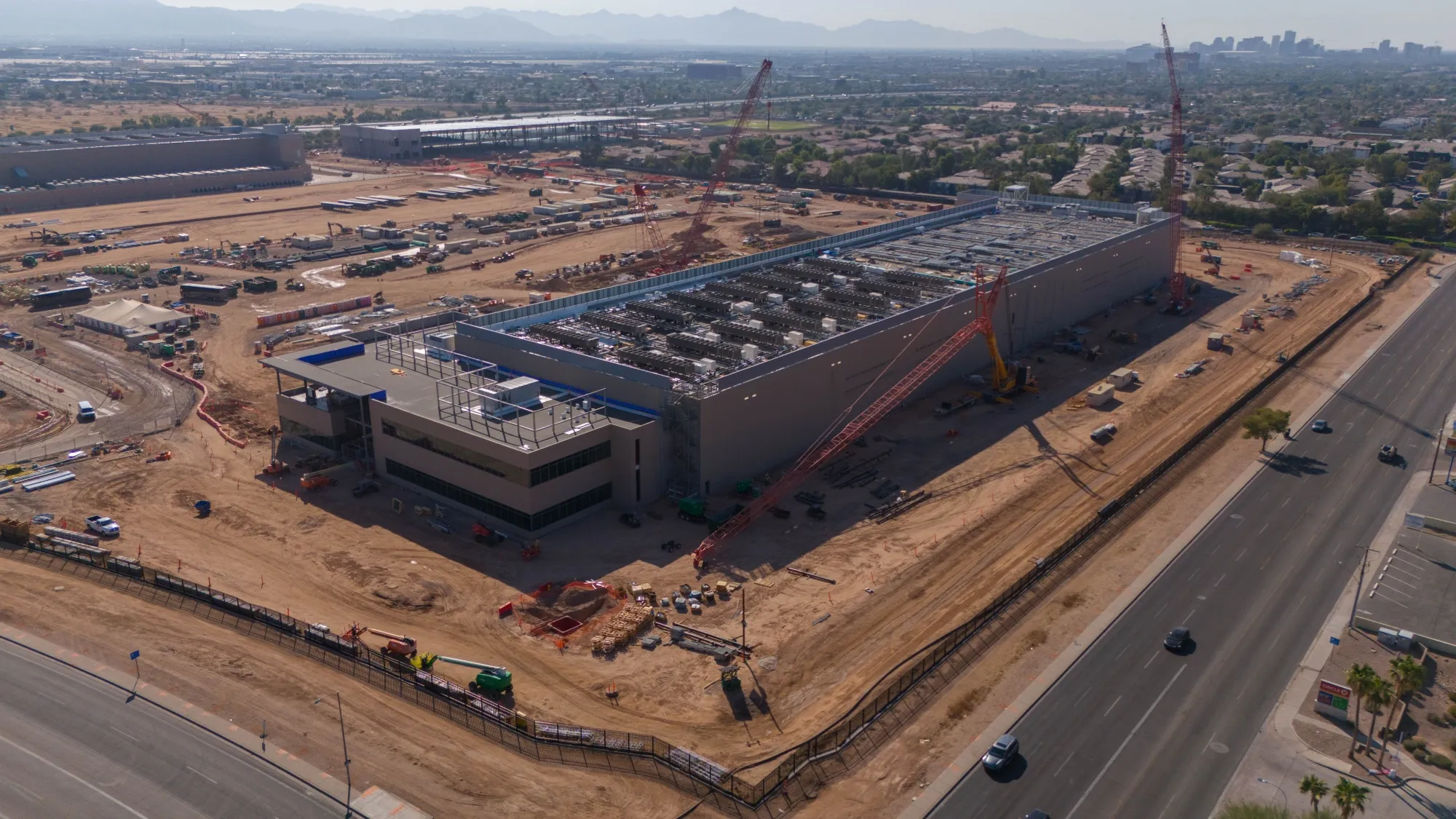
A national digital transformation is visibly reshaping small-town America. Consequently, data center developers are now aggressively securing land. Additionally, they require enormous amounts of power and water. This boom primarily fuels artificial intelligence and cloud computing demand. As a result, a fierce competition for critical resources has emerged. Ultimately, this marks a profound national digital transformation.
Currently, nearly all data center activity concentrates in very few counties. In fact, thirty-three counties account for seventy-two percent of operations. This concentration, therefore, creates new economic hotspots nationally. Meanwhile, the map of this activity changes almost daily. Accordingly, rural communities experience drastic changes unexpectedly. For instance, Newton County, Georgia exemplifies this rapid shift.
Meta established a massive campus there several years ago. Subsequently, the site processes social media data continuously. Its buildings stretch the length of multiple football fields. Importantly, the company created hundreds of local jobs successfully. Furthermore, it generated millions in new tax revenue. Thus, this investment anchored the area’s economy solidly.
Other tech giants quickly followed this initial investment. Specifically, Amazon began building a massive facility nearby. Presently, eleven more projects are in planning stages. Accordingly, local officials receive constant new inquiries. This surge clearly demonstrates a national digital transformation. However, the community grapples with this sudden pace.
Local Commissioner LeAnne Long expresses deep skepticism. In particular, she questions the developers’ lucrative promises directly. Moreover, Long fears potentially empty buildings in the future. Similarly, she worries about essentially lost community character. Altogether, her concerns echo other residents’ anxieties clearly. Therefore, this national digital transformation brings complex trade-offs.
Serra Hall leads the county’s industrial development authority. She admits they are building the plane while flying it. Nevertheless, Hall emphasizes the critical need for strategic planning. Additionally, coordination between all parties remains essential. Notably, the county’s infrastructure attracts developers powerfully. Specifically, proximity to power and fiber is key.
Residents feel the construction impacts profoundly. For example, blasting shook one homeowner’s house recently. In fact, her living room ceiling collapsed dramatically. Consequently, the rural landscape changes irrevocably and quickly. Longtime resident Lisa Miller notes the shift accordingly. Previously, cattle and horses once dominated the area.
Energy demand presents another serious challenge. Specifically, data centers will consume eight percent of national power. Consequently, utilities must invest billions in new generation. Similarly, water usage raises sustainability questions. Accordingly, the industry faces these logistical hurdles directly. Undoubtedly, this national digital transformation requires vast resources.
Meta commits to environmental goals proactively. For example, the company promises water-positive operations by 2030. It also pledges significant renewable energy investments. These measures aim to model responsible development. Likewise, other companies make similar promises publicly. However, community trust depends completely on follow-through.
Ultimately, the solution is not rejecting growth outright. Indeed, local leaders agree unanimously on this point. Instead, they advocate for deliberately slowing the pace. Strategic planning must guide future development. Moreover, communities deserve a voice in the process. In conclusion, this national digital transformation must balance progress. Small towns now stand at the center of this change.

