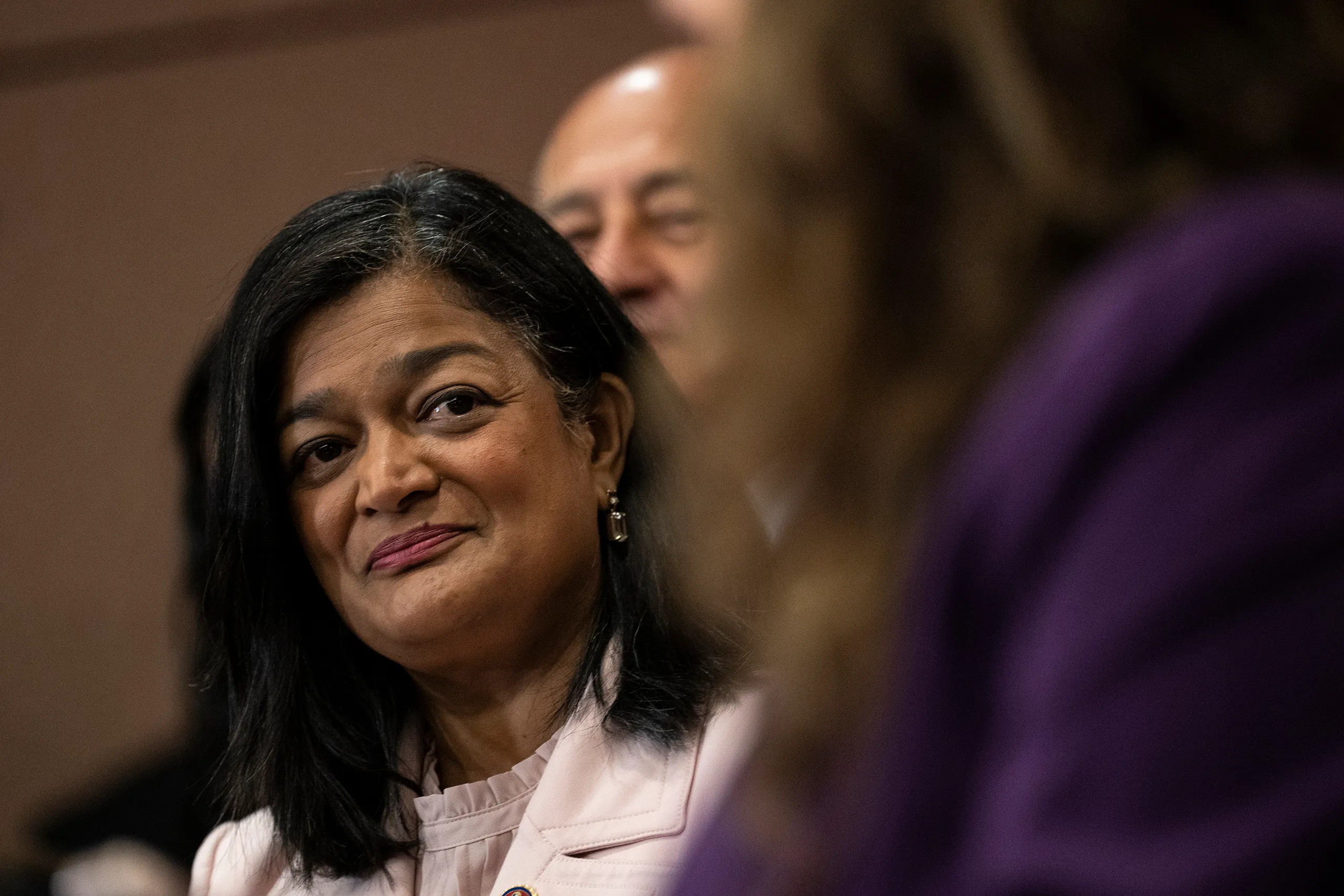
Two Democratic lawmakers strongly criticized the Cuba fuel blockade after visiting the island and assessing conditions. The Cuba fuel blockade has intensified hardships, according to officials who described widespread disruptions affecting daily life. Their statements highlight growing political debate over U.S. policies and their humanitarian consequences abroad.
Representatives Pramila Jayapal and Jonathan Jackson described severe shortages affecting healthcare, transportation, and basic services. They reported that limited fuel supplies disrupted electricity generation, which in turn impacted hospitals and essential infrastructure nationwide. Consequently, many communities now struggle to maintain consistent access to power and clean water resources.
During their visit, the lawmakers observed hospitals facing significant challenges due to equipment failures linked to outages. They noted that medical staff could not operate ventilators reliably, placing vulnerable patients at serious risk. Additionally, shortages of medicines and supplies have reduced treatment options for individuals requiring urgent medical care.
Moreover, the delegation reported that transportation difficulties prevented workers, teachers, and students from reaching essential locations daily. Businesses also experienced closures as refrigeration systems failed, leading to food shortages and economic strain. As a result, food production levels dropped significantly, worsening conditions for families across the country.
The lawmakers argued that the Cuba fuel blockade contributed directly to these hardships and required immediate reconsideration. They described the situation as harmful to civilians and urged policymakers to pursue alternative approaches moving forward. Furthermore, they emphasized that many Americans might oppose such impacts if fully aware of current conditions.
At the same time, the broader political context continues evolving as tensions between Washington and Havana have increased recently. President Donald Trump has signaled a tougher stance toward Cuba, raising concerns about further economic and diplomatic pressure. Consequently, analysts expect continued debate over how best to balance strategic interests with humanitarian considerations.
Additionally, the lawmakers highlighted recent developments within Cuba, including policy adjustments and economic reforms underway. They pointed to the expansion of small businesses and signals of openness toward foreign investment opportunities. These changes, they argued, create a potential pathway for renewed engagement between both countries in the future.
Ultimately, the lawmakers called for direct negotiations aimed at improving living conditions and strengthening bilateral relations. They urged leaders to pursue dialogue that respects dignity while promoting stability and cooperation between nations. The Cuba fuel blockade remains central to ongoing discussions about the future direction of U.S.-Cuba policy.