
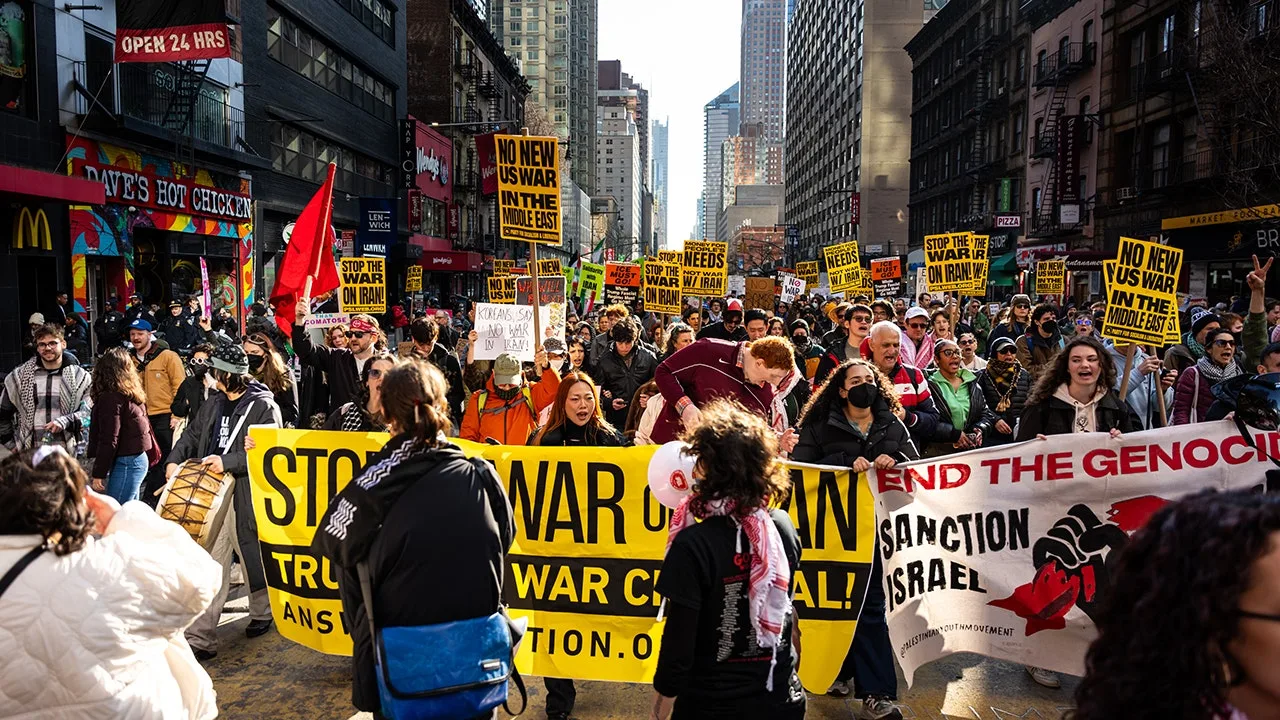
Sleeper cell threat concerns intensify as American counterterrorism agencies heighten surveillance following joint United States and Israeli strikes on Iran. Sleeper cell threat warnings surface as officials brace for potential retaliation from Iran-linked operatives or sympathizers. Therefore, Sleeper cell threat discussions now shape domestic security planning as tensions abroad continue escalating rapidly.
Federal authorities have increased monitoring efforts across major metropolitan areas without identifying specific credible plots. Law enforcement agencies have strengthened visible patrols in large cities as a precautionary measure. Officials describe these steps as proactive rather than reactive to confirmed intelligence.
The heightened posture follows Operation Epic Fury, which killed Iran’s Supreme Leader, Ayatollah Ali Khamenei, and other senior officials. The coordinated campaign involved United States and Israeli forces conducting extensive strikes inside Iranian territory. That operation significantly altered the regional security landscape and triggered warnings about possible indirect retaliation.
Former FBI assistant director Chris Swecker expressed concern about potential activity by Iranian-backed organizations inside the United States. He warned that groups such as Hezbollah and Hamas maintain longstanding connections to Tehran. He stated that both organizations have operated networks or support structures within American borders since the 1980s.
Swecker argued that current tensions create conditions where such networks could attempt violent acts. He said authorities remain aware of domestic cells and lone sympathizers associated with extremist ideologies. Additionally, he pointed to recent protest movements as environments where radical actors could seek influence.
Moreover, Swecker criticized past border security policies and suggested vulnerabilities may have enabled infiltration risks. He claimed that some hostile actors could have entered the country during periods of reduced border enforcement. However, he acknowledged that many sympathizers already resided within the United States.
Meanwhile, FBI Director Kash Patel announced that counterterrorism and intelligence teams remain on high alert. He instructed personnel to mobilize security assets and coordinate closely with partner agencies nationwide. Patel emphasized that the bureau continues protecting the homeland while the military manages overseas force protection.
Retired FBI supervisory special agent Jason Pack noted that such vigilance reflects standard protocol during overseas conflicts. He explained that intelligence agencies anticipate shifts in domestic threat environments whenever adversaries face military pressure. He added that Iranian Revolutionary Guard proxies historically rely on indirect or unconventional retaliation methods.
At the same time, Homeland Security Secretary Kristi Noem confirmed coordination with intelligence and law enforcement partners. She stated that agencies actively monitor potential threats and adjust resources accordingly. Her remarks came as part of the Department of Homeland Security confront a partial shutdown.
Although officials have not identified active plots, they acknowledge the situation could evolve quickly. Security leaders continue evaluating risks as overseas tensions develop and ripple effects reach American communities.

