
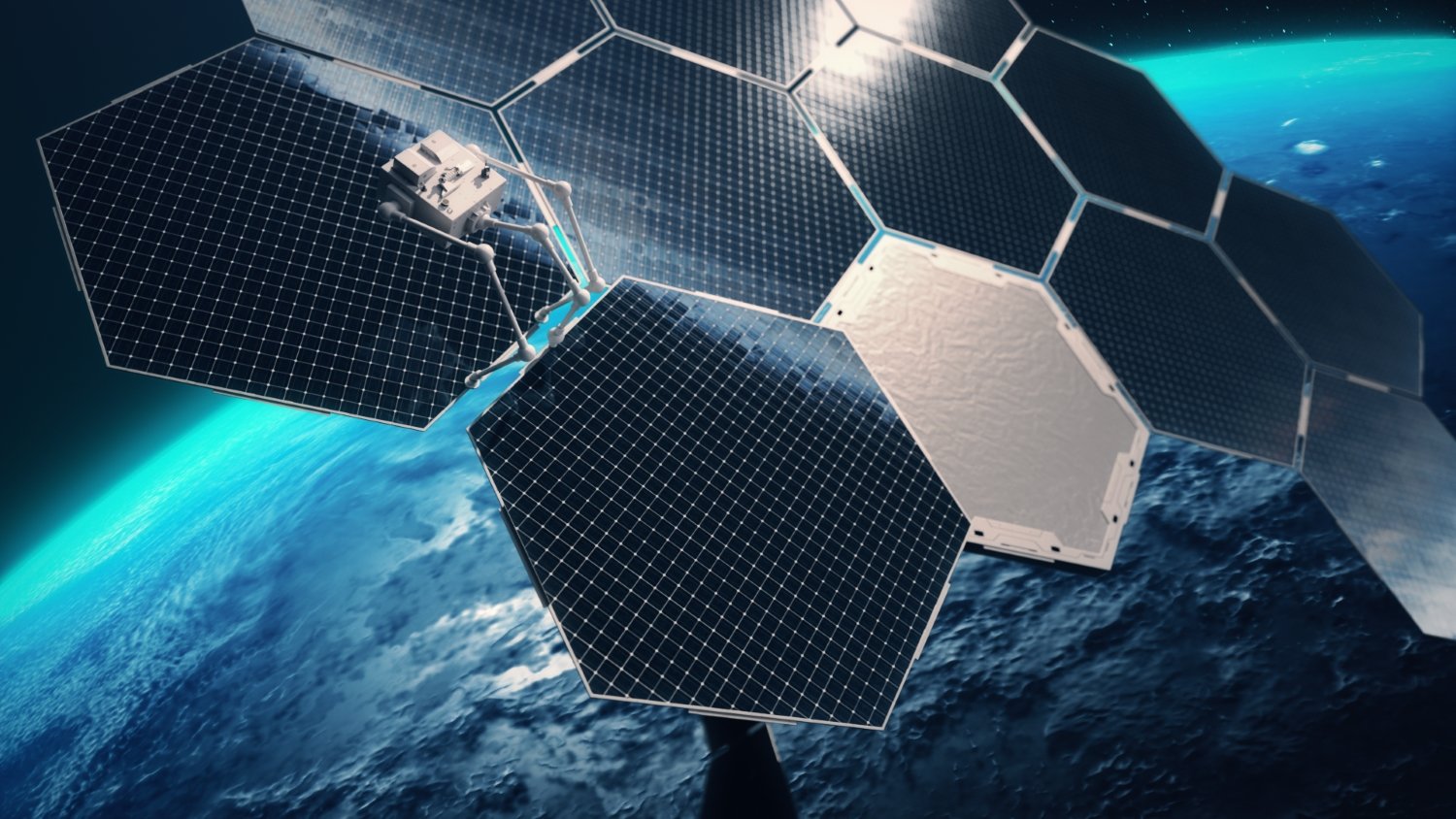
Technology firms now propose an extraordinary solution for AI. They aim to deploy sophisticated orbital data centers. These orbital data centers would operate in space. This concept directly addresses a massive energy crisis. Artificial intelligence requires incredible amounts of electrical power. Earth-bound data facilities also need complex cooling systems. Consequently, the industry seeks radical alternative locations.
Therefore, Major aerospace companies actively support this new vision. SpaceX and Blue Origin are reportedly developing plans. They recognize the natural benefits of space itself. Furthermore, the extreme cold vacuum offers perfect cooling conditions. This environment drastically cuts operational energy costs. It simultaneously reduces strain on terrestrial power grids. Therefore, the economic incentive appears increasingly compelling.
One pioneering company is already conducting vital tests. LoneStar Data Holdings completed a lunar mission recently. A test data center flew to the moon successfully. It transmitted video and analytics back home perfectly. This demonstration proved the core concept works. Moreover, additional orbital launches will occur this very year. So the project timeline is accelerating rapidly.
The company founder cites multiple unique advantages. Therefore, space naturally lacks storms, hackers, or network issues. This provides a secure off-world data backup location. Such security addresses serious national resilience concerns. Moreover, the idea seems less like science fiction today. Furthermore, Explosive AI growth created urgent demand for solutions. Thus, the theoretical is becoming very practical.
A retired astronaut advises the company on strategy. However, she emphasizes the clear environmental logic too. Moving heavy industry off Earth protects the planet. Space offers a benign setting for such infrastructure. This approach enables more sustainable technological expansion. Essentially, it uses space to solve Earth’s problems.
LoneStar’s ambitious development plan has specific deadlines. Orbiting lunar data centers should launch by 2028. Permanent surface facilities will follow in the 2030s. An imminent rocket launch carries their next payload. Continuous testing remains crucial for proving viability. Every success builds confidence in this model.
These orbital data centers represent a major shift. They transform a huge challenge into a strategic opportunity. The strategy harnesses space for economic benefit. It could fundamentally change where computation occurs. A race to build the first commercial facility is on. This cosmic solution may soon become standard practice.

