
Naturalized Americans are expressing growing concerns about their long-term protections as citizenship insecurity spreads under shifting immigration policies. Advocates say the climate has changed quickly, creating new doubts for people who believed naturalization provided final security.
Dauda Sesay, who fled civil conflict in Sierra Leone, built a new life in the United States. He followed the rules, met eligibility requirements, and completed the process to become a citizen. Sesay said he once viewed naturalization as a permanent safeguard. However, he now sees increasing citizenship insecurity affecting families and communities across the country.
Concerns increased after federal agencies expanded enforcement operations. Naturalized citizens reported additional questioning at airports and land borders. Some individuals expressed fear that agents might detain them despite holding valid documents. These worries spread through immigrant communities and created new anxieties about daily travel.
Moreover, stories of American citizens detained during enforcement roundups fueled additional tension. Legal advocates noted several cases involving citizens mistakenly taken into custody. One man even filed a federal lawsuit after reporting multiple detentions. Such cases intensified discussions about citizenship insecurity among naturalized Americans.
The Justice Department also announced new efforts to review past naturalization cases. Officials said they planned to identify individuals who committed crimes or posed security risks. Leaders who work with immigrant communities said the announcement created significant unease. Many feared that long-settled citizens might face unexpected legal challenges.
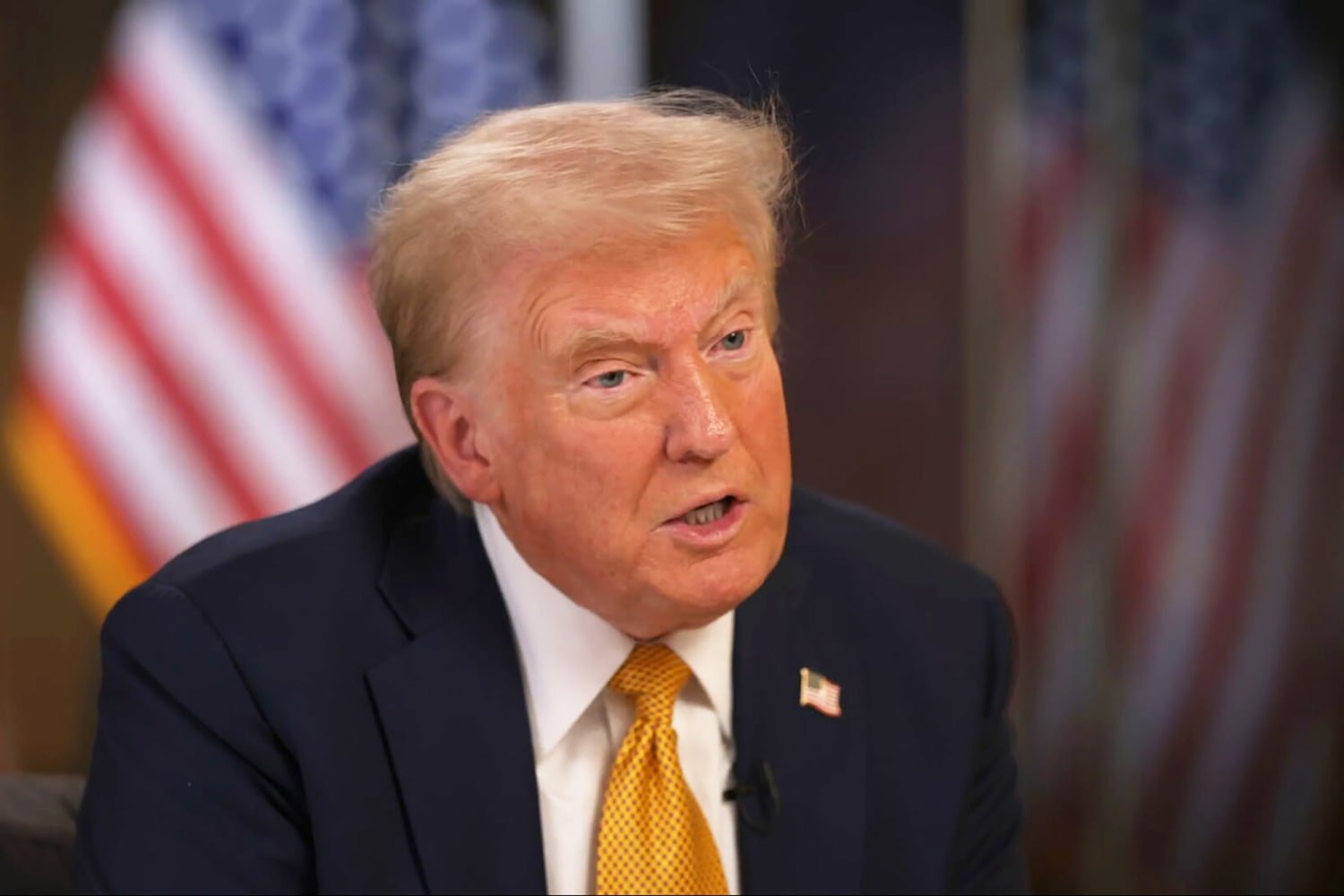
Political rhetoric also contributed to the climate. Former President Donald Trump suggested changes to longstanding citizenship policies, including birthright protections. His comments raised concerns among naturalized citizens who previously felt secure. Community leaders said the remarks signaled a major shift in the government’s posture toward immigration.
Experts offered historical context for the debate. Scholars noted that citizenship definitions evolved many times throughout American history. They said political actors often reshaped the meaning of citizenship during contentious periods. They also highlighted past cases of denaturalization driven by shifting political agendas.
State and local officials reported rising anxiety, even among longtime residents. Community organizers said people avoided travel, reduced public appearances, and remained cautious with personal information. Some naturalized citizens now carry passports to avoid confusion during domestic travel. Others attend legal workshops to understand their rights.
Although the policy landscape continues to change, advocates urged naturalized citizens to stay informed. They expect further legal challenges and congressional debates in the coming months. They also called for clearer federal communication to restore public trust.
Despite mounting tension, community members continue seeking stability. They say they want reassurance that their status remains secure. They also hope future policies will reaffirm the value of naturalization rather than erode confidence in it.
For more business updates, visit DC Brief.