
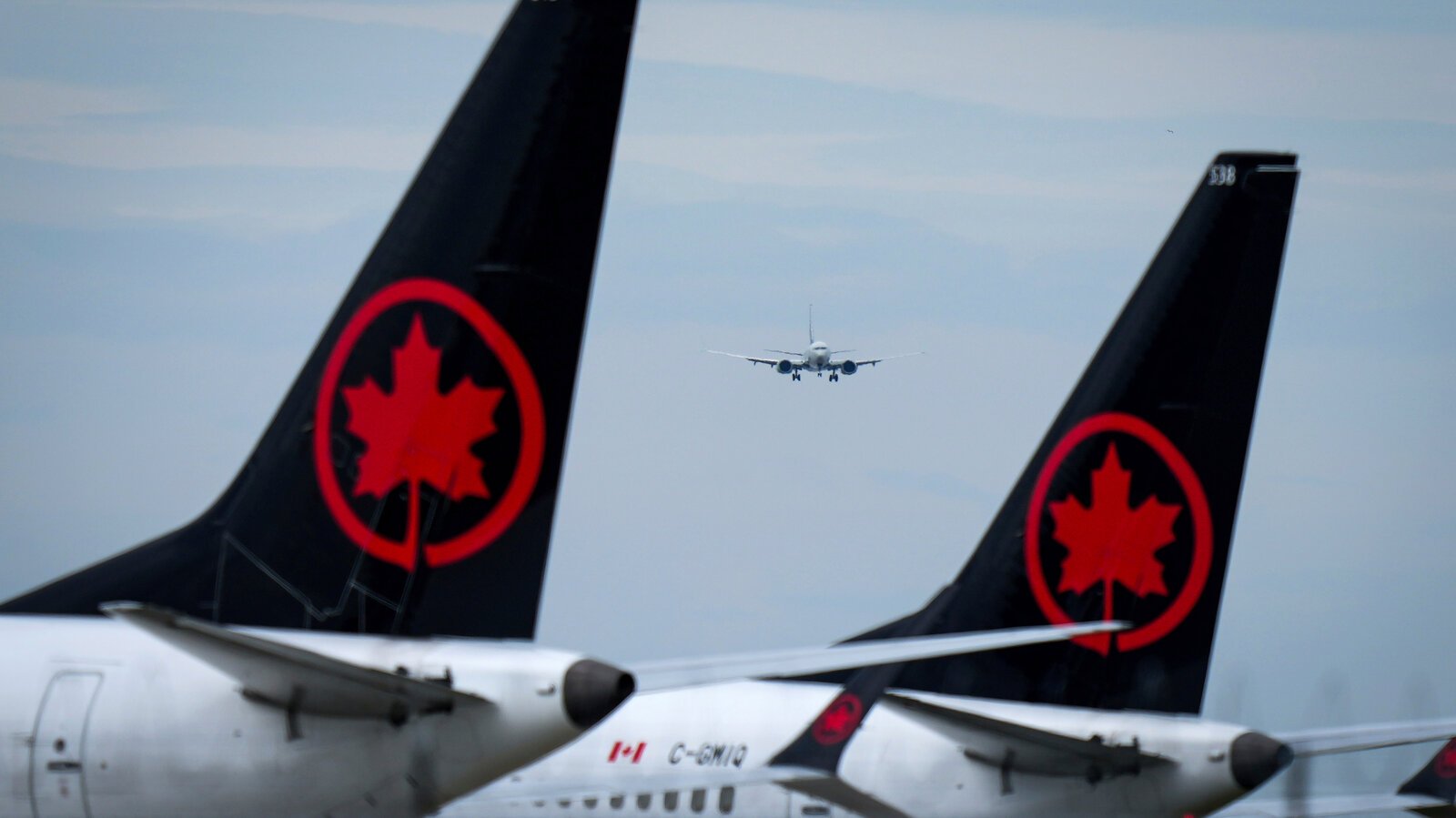
Major airlines have abruptly suspended commercial service to Cuba due to critical jet fuel shortages. The fuel crisis follows recent Trump administration tariff threats on foreign oil shipments. Canadian carriers Air Canada, WestJet, and Air Transat all announced immediate flight cancellations Monday. Cuban authorities officially notified airlines that aviation fuel will remain unavailable. The shortage will likely persist at airports until at least March 11. This disruption leaves thousands of Canadian travelers stranded across multiple Cuban destinations.
The Cuba flight suspensions directly impact approximately three thousand Air Canada passengers alone. These customers now wait indefinitely for repatriation while on vacation. Air Canada plans to operate empty aircraft southbound to retrieve stranded customers. These repatriation flights will carry sufficient fuel for the complete round trip. WestJet similarly confirmed its planes will arrive with enough fuel for departure. The airline will therefore avoid any reliance on local fuel availability whatsoever. Air Transat extended its suspension through April 30 for all Cuba service. The company will issue refunds for trips not yet commenced.
White House officials addressed the escalating situation Tuesday morning with direct statements. An administration representative suggested Cuban leaders should negotiate with the United States. The official characterized Cuba as increasingly diplomatically isolated on the global stage. Key oil suppliers including Venezuela and Mexico have reportedly reduced support. The Trump administration continues applying maximum economic pressure on the island nation. Tariff threats specifically target third-party countries supplying oil to Cuba. These trade policies create immediate and tangible consequences for commercial aviation.
The Cuba flight suspensions represent a significant logistical challenge for affected carriers. Airlines must now coordinate complex repatriation efforts across multiple airport locations. Empty aircraft repositioning consumes considerable fuel and crew resources. Technical stops will allow planes to refuel before completing their return journeys. Canadian authorities are monitoring the situation closely alongside airline representatives. Travelers expressed frustration and uncertainty regarding their extended Caribbean stays. Many passengers learned of cancellations only upon arriving at airport counters.
United States carriers report relatively minimal operational impacts from the shortage. Southwest Airlines continues operating its single daily Havana flight without interruption. The airline now mandates that aircraft carry extra fuel for onward travel. Delta Air Lines also maintains its daily Miami to Havana roundtrip service. These short route distances eliminate the need for excessive fuel carriage. American carriers thus avoid the severe disruptions facing their Canadian counterparts.
Cuban transportation officials offered conflicting messages just days before this crisis. Minister Eduardo Rodríguez Dávila previously assured international airports operated normally. Government media outlets reported air travel would face no immediate disruption. The sudden fuel rationing announcement therefore caught the aviation industry off guard. Canadian airlines acted swiftly once official notices confirmed the shortage duration. The Cuba flight suspensions will continue indefinitely until fuel supplies stabilize. This situation illustrates how international trade policies directly affect civilian travel. Thousands of stranded passengers now await repatriation flights in coming days.

