
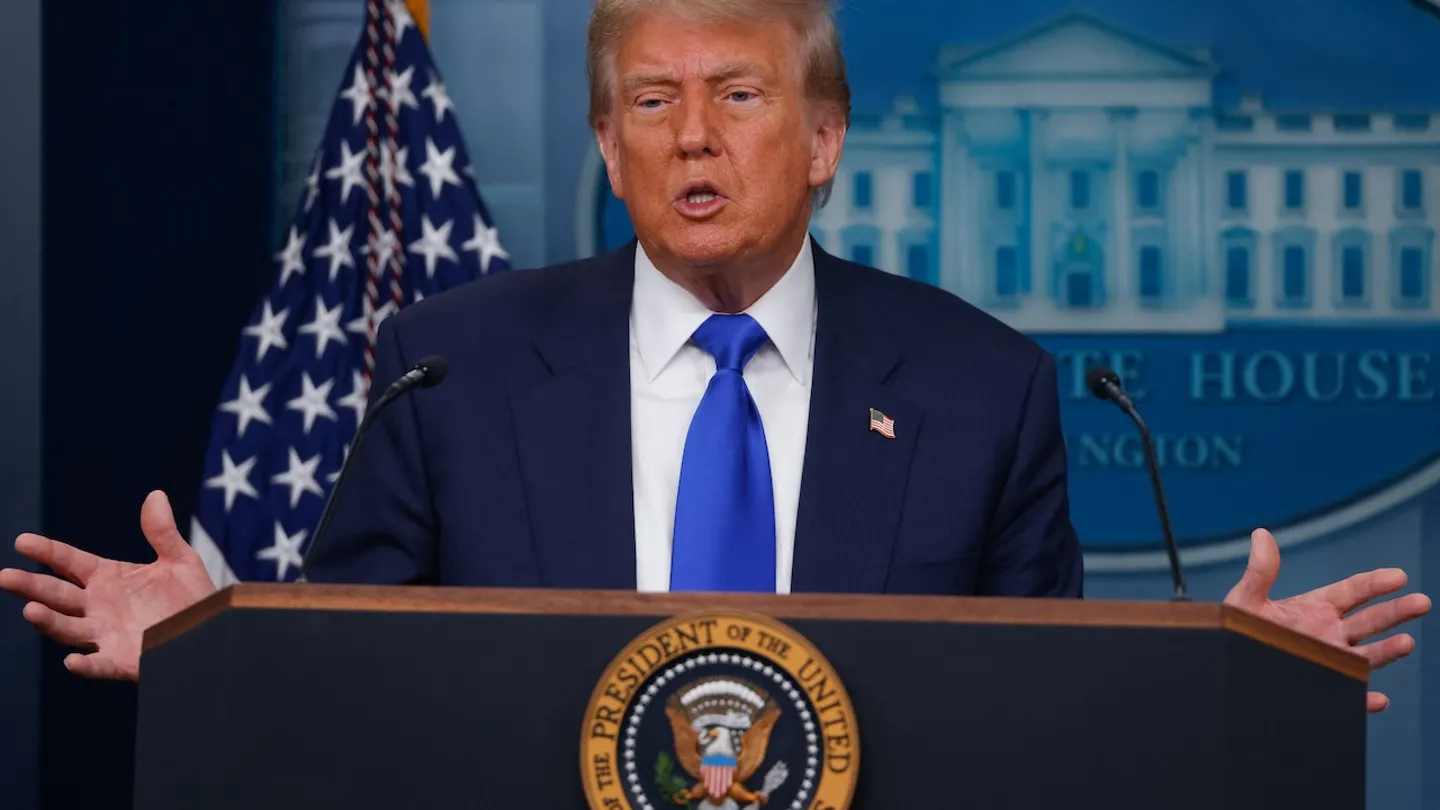
The Birthright Citizenship Review begins as the Supreme Court evaluates President Donald Trump’s executive order. The order could end automatic citizenship for children born to parents without permanent U.S. status. Consequently, families, lawyers, and scholars across the country are closely following the case due to its constitutional impact.
President Trump signed the executive order on his first day back in office. The policy targets children born after February 19, 2025, to undocumented or temporarily legal parents. It also prohibits federal agencies from issuing or recognizing citizenship documents for these children. Therefore, the order could affect thousands of families nationwide.
Trump administration officials argue that the executive order corrects long-standing misinterpretations of the Fourteenth Amendment. They claim it strengthens border security and prevents misuse of birthright citizenship. Solicitor General John Sauer told the Supreme Court that lower courts had granted citizenship to individuals not legally qualified. He insisted that these rulings undermine national immigration policy and legal precedent.
Opponents strongly disagree and call the order unprecedented and unconstitutional. They argue it could affect more than 150,000 children born yearly to noncitizen parents. In response, states, advocacy groups, and immigrant families filed lawsuits to block the order. They seek to preserve benefits such as Social Security, Medicaid, and SNAP for children born in the United States.
The Supreme Court will also examine historical context, including the landmark 1898 Wong Kim Ark ruling. That decision confirmed that children born in the U.S. to non-diplomatic foreign parents automatically gain citizenship. Lawyers for plaintiffs argue the precedent limits the president’s authority to reinterpret the clause in this manner.
Justices have questioned the practicality of the policy. They asked how hospitals, state offices, and federal authorities would implement it consistently. Justice Sonia Sotomayor warned that children could become stateless under the order. Justice Brett Kavanaugh questioned how birth certificates would reflect citizenship and how officials would enforce the rule fairly.
The Trump administration defends the order by highlighting abuses such as birth tourism, claiming it protects American citizenship. Critics say these claims do not justify breaking constitutional protections or established legal precedent. The Supreme Court is expected to issue a ruling within three months, which will determine the order’s legality.
Overall, the Birthright Citizenship Review represents a landmark constitutional case. It will affect millions of families and shape U.S. immigration policy for years. Therefore, legal experts, policymakers, and the public closely anticipate the court’s decision.

