
Iran Economic Chaos concerns intensified after Treasury Secretary Scott Bessent predicted major military action. He said the United States would soon launch its largest bombing campaign yet. Bessent explained that upcoming strikes aim to destroy Iranian missile launchers and production facilities. The warning came during an interview discussing the widening conflict involving Iran.
According to Bessent, American forces have already conducted powerful strikes targeting Iranian military capabilities. He described earlier operations as overwhelming and said they significantly weakened Iran’s missile infrastructure. However, officials believe further operations remain necessary to reduce remaining threats across the region. Therefore, U.S. military planners continue preparing additional air campaigns against strategic targets.
Bessent said the upcoming strikes would focus heavily on missile factories and launch systems. Destroying those assets could prevent further attacks against American forces and regional partners. Officials argue these facilities play a critical role in Iran’s ability to threaten nearby countries. Consequently, military leaders believe eliminating them will reduce the risk of escalation.
Meanwhile, Bessent warned that Iran may shift tactics after facing setbacks on the battlefield. Instead of direct military confrontation, Iranian leaders could attempt economic disruption. He suggested Tehran may try to destabilize global markets and financial systems. Such actions could create what he described as Iran Economic Chaos in response to military pressure.
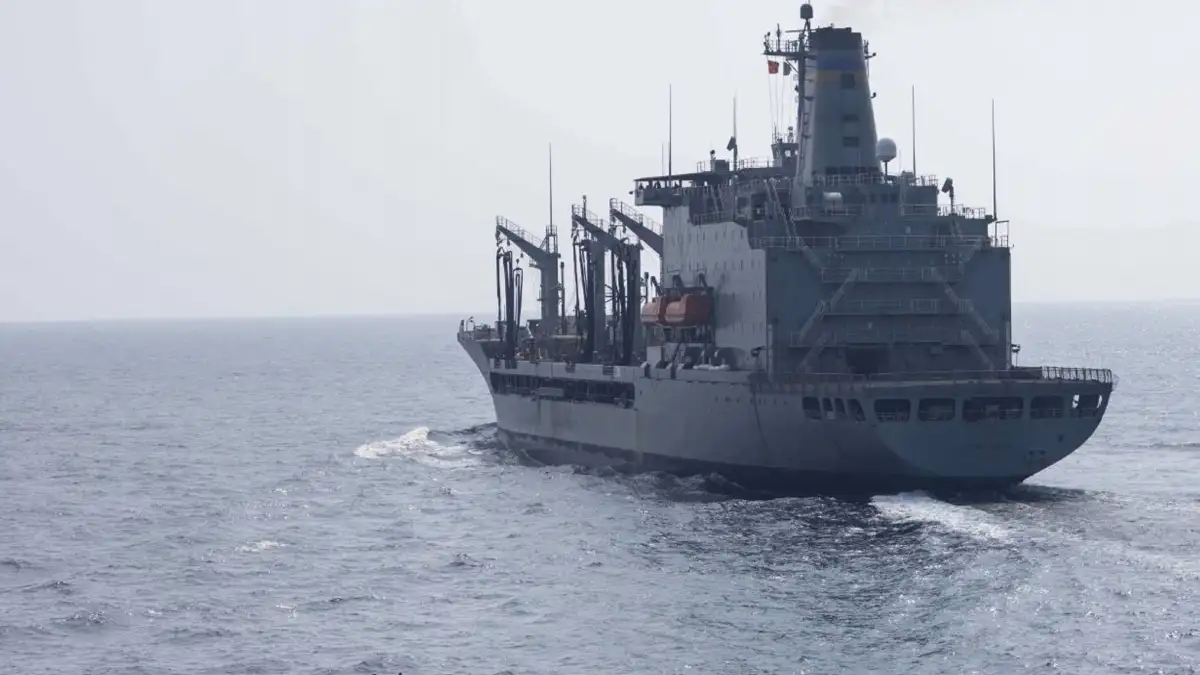
One area of concern involves the Strait of Hormuz, a vital global energy shipping route. Nearly one-fifth of the world’s oil and natural gas flows through the narrow waterway. Any disruption there could trigger significant volatility in international energy markets. Because of this risk, the United States recently introduced measures to protect maritime trade.
The administration announced a new maritime insurance program supporting ships traveling through the strait. The initiative provides up to twenty billion dollars in insurance coverage for vessels. Officials hope the program will restore confidence among shipping companies operating in the region. Many insurers withdrew coverage after the conflict created security risks around the Gulf.
Bessent explained that the program protects vessels carrying oil, refined products, and other goods. By restoring insurance coverage, the United States aims to keep commercial shipping moving safely. Stable maritime trade remains crucial for global energy supplies and economic stability.
At the same time, Iranian officials said the Strait of Hormuz remains technically open to international traffic. However, they warned that vessels connected to American or Israeli interests could face restrictions. That stance raised concerns about potential confrontations in the narrow shipping corridor.
Military commanders continue evaluating when commercial vessels can safely travel through the area. Bessent said officials await guidance from regional commanders responsible for security conditions. He suggested it may take several days or weeks before full maritime confidence returns.
Despite these risks, Bessent expressed confidence that Iran Economic Chaos strategies will ultimately fail. He argued that coordinated economic measures and military pressure would stabilize the situation. Meanwhile, U.S. officials remain focused on protecting global energy flows while continuing operations against Iranian military capabilities.

