
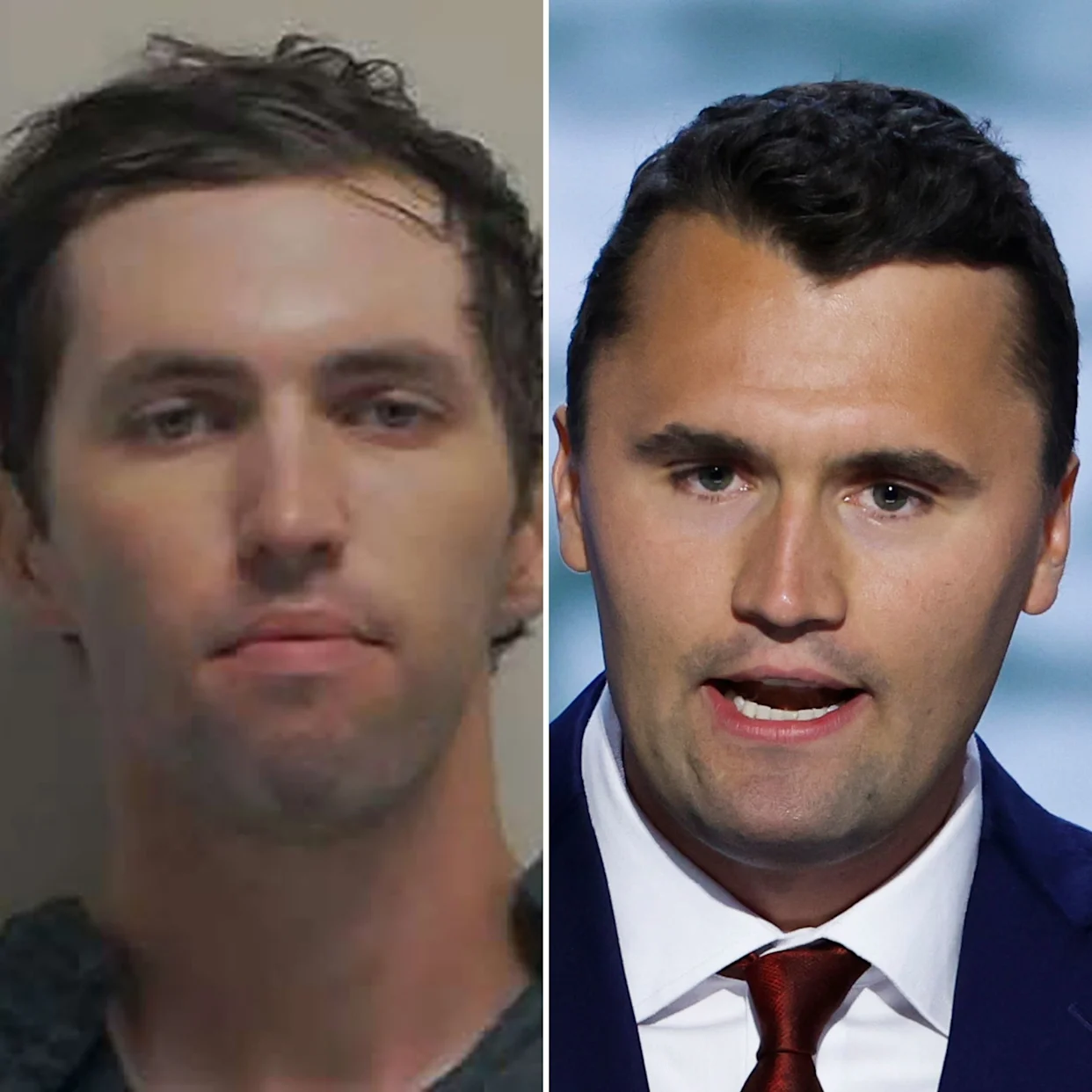
The Ballistic Evidence Dispute has intensified as defense lawyers challenge key forensic claims in court. Consequently, attorneys argue that investigators cannot link the fatal bullet to the suspect’s alleged weapon. This development introduces new uncertainty into a case that has drawn significant public and legal attention.
Tyler Robinson’s legal team filed a motion seeking to delay a scheduled preliminary hearing in May. They stated that further analysis remains necessary before the court determines whether the case should proceed. Meanwhile, the hearing will decide if prosecutors have sufficient evidence to advance toward a full trial.
According to the defense filing, federal firearms analysts could not match the recovered bullet to the rifle. This claim forms the basis of the Ballistic Evidence Dispute now shaping courtroom arguments and legal strategies. Attorneys suggest this gap in evidence weakens the prosecution’s central narrative about the shooting incident.
Furthermore, the defense indicated it may present expert testimony to support its position during proceedings. However, lawyers stated they still require access to detailed forensic reports and examination protocols. Therefore, they argue that postponing the hearing allows adequate time to review critical technical information thoroughly.
At the same time, officials confirmed that additional forensic testing remains ongoing by federal investigators. These tests include further comparative bullet analysis and detailed examination of materials recovered from the scene. Consequently, results from these studies may influence how both sides present arguments in court.
Robinson, aged twenty-two, faces charges related to the fatal shooting of political activist Charlie Kirk. Authorities allege that the incident occurred during a public event at a university campus in Utah. Investigators launched a large-scale search operation before arresting Robinson following information provided by a family member.
Prosecutors have pointed to DNA evidence found on the firearm and related ammunition as significant proof. However, the defense argued that multiple individuals’ DNA appeared on some of the tested materials, complicating conclusions. This disagreement further fuels the Ballistic Evidence Dispute surrounding the reliability of forensic interpretations.
In addition, defense attorneys insist that complex analysis remains necessary to determine the true source of evidence. They argue that incomplete testing prevents accurate conclusions about Robinson’s alleged involvement in the shooting. As a result, the court must consider whether current findings meet the required legal standards.
The case continues to evolve as both sides prepare for upcoming legal proceedings and potential trial decisions. Ultimately, the Ballistic Evidence Dispute highlights the critical role of forensic science in modern criminal investigations.

