
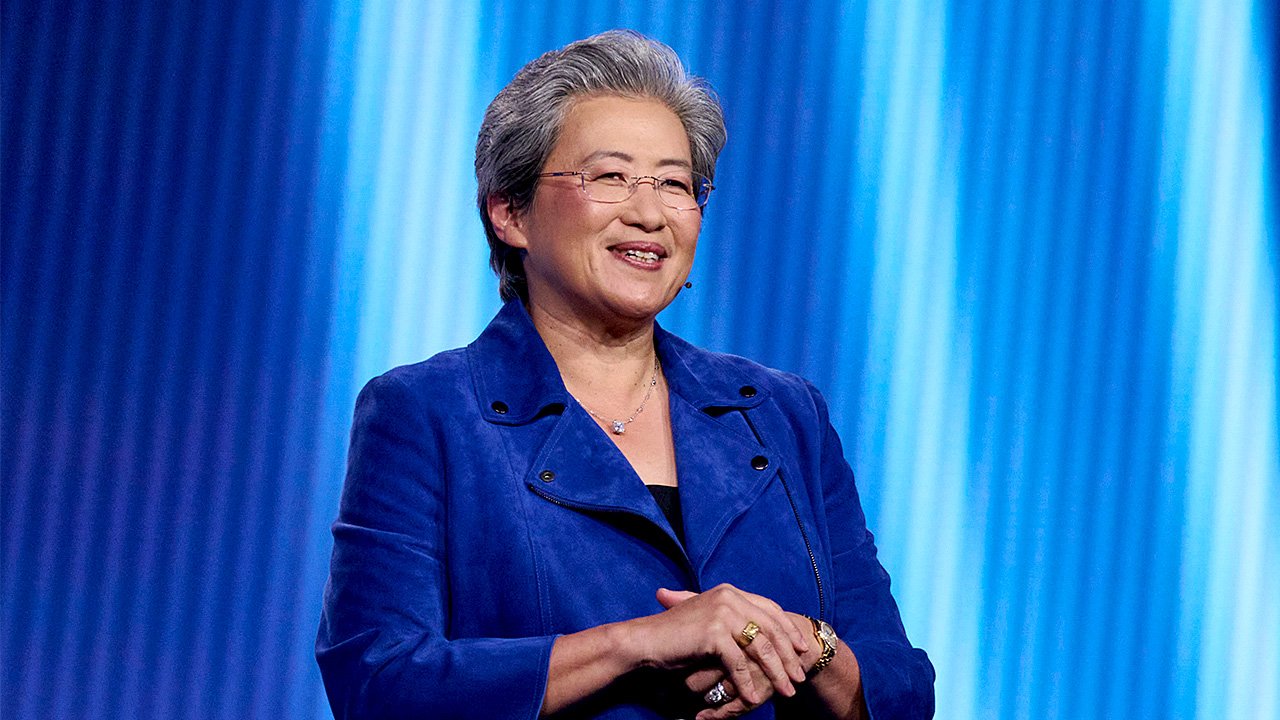
The race for artificial intelligence supremacy faces skyrocketing costs. Advanced Micro Devices CEO Lisa Su emphasized this point recently. She spoke at the Consumer Electronics Show in Las Vegas. Su stated that AI demand soars across every industry globally. Consequently, the need for advanced computing hardware is exploding. The price for individual high-performance AI chips is now immense. Each unit can cost tens of thousands of dollars currently.
Furthermore, Su described a vision of “AI everywhere” during her talk. This pervasive adoption necessitates unprecedented hardware investments. Modern AI systems often bundle dozens of these expensive chips. For instance, one AMD platform integrates seventy-two separate processors. This integration maximizes overall system performance and efficiency significantly. Companies aggressively seek these powerful configurations despite steep prices. They aim to secure a competitive edge in the AI market.
Moreover, the required scale of computing power is almost incomprehensible. Su suggested the world will need ten yottaflops of capacity. A yottaflop equals one followed by twenty-four zeros technically. Therefore, this figure is ten thousand times 2022’s total computing power. This staggering projection underscores the industry’s breakneck growth trajectory. Clearly, AI demand soars beyond traditional semiconductor market forecasts.
Additionally, these costs create a formidable barrier for many organizations. The financial commitment for competitive AI research is now monumental. Su argues these investments are completely unavoidable however. Industries from healthcare to automotive are rushing to expand capabilities. Consequently, demand for advanced chips continues to outstrip supply. This scarcity further inflates prices and stretches development timelines.
Meanwhile, AMD and its competitors are racing to meet this need. They are designing ever more powerful and efficient chip architectures. The goal is to lower the total cost of ownership for clients. Su highlighted this focus during her CES keynote address. She held up one of the company’s premier AI accelerators. These components form the foundation of modern AI infrastructure globally.
In conclusion, the AI industry’s expansion is fueling a semiconductor boom. Lisa Su’s comments highlight a critical inflection point. The need for specialized computing power is growing exponentially. Therefore, leading companies must allocate enormous capital immediately. Ultimately, AI demand soars and redefines technological and economic landscapes. The coming years will require historically large investments in compute. This spending will determine the next generation of industry leaders. The era of artificial intelligence is undoubtedly here. Its infrastructure, however, carries an extraordinarily high price tag.

