
A high-risk airman rescue mission successfully recovered a wounded U.S. crew member deep inside Iran. The airman rescue operation demonstrated rapid coordination between military forces and intelligence agencies under extreme pressure. It also highlighted the urgency of acting quickly as enemy forces closed in on the location.
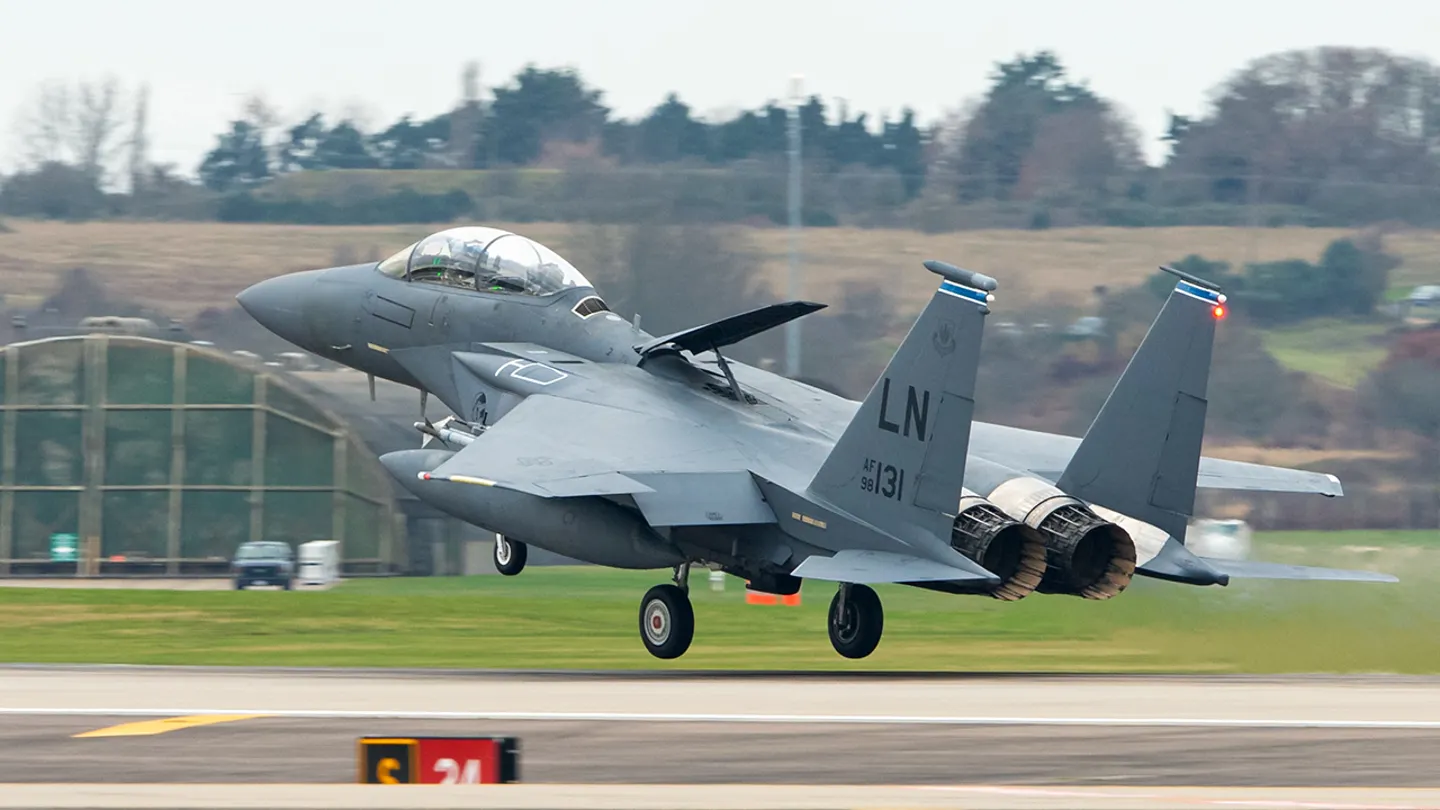
The operation began after an F-15 fighter jet went down during a combat situation over Iranian territory. Both crew members ejected safely, but one remained stranded in hostile terrain for nearly forty-eight hours. Officials quickly recognized the danger and initiated plans to locate and extract the missing officer.
Intelligence agencies played a critical role by identifying signals and confirming the airman’s location. Initially, officials feared the distress signal might represent a trap set by opposing forces in the region. However, analysts verified the signal’s authenticity, allowing commanders to proceed confidently with the rescue mission.
To support the effort, intelligence teams launched a deception campaign to mislead opposing forces about movements. They spread false information suggesting the missing crew member had already been recovered through another extraction route. This tactic diverted attention and bought valuable time for search teams operating in dangerous territory.
Meanwhile, military leaders mobilized aircraft, drones, and specialized units to secure the area around the airman. Forces used surveillance systems and conducted targeted strikes to prevent enemy troops from approaching the rescue zone. These actions ensured that the extraction team could operate with reduced risk during the mission.
Additionally, advanced aircraft and support systems maintained constant coverage over the region throughout the operation. Military planners coordinated multiple elements simultaneously, ensuring protection, communication, and rapid response to any threats. This level of coordination proved essential in completing the mission without reported casualties.
After locating the airman, rescue teams moved quickly to extract him from the mountainous terrain. The operation required precision, as opposing forces continued searching nearby and posed a serious threat. Nevertheless, the team secured the officer and transported him safely out of hostile territory.
The airman rescue mission now stands as a significant example of modern military capability and coordination. Officials emphasized that training, intelligence sharing, and decisive leadership contributed to the successful outcome. As a result, the operation reinforced confidence in rapid-response strategies during complex international conflicts.

