
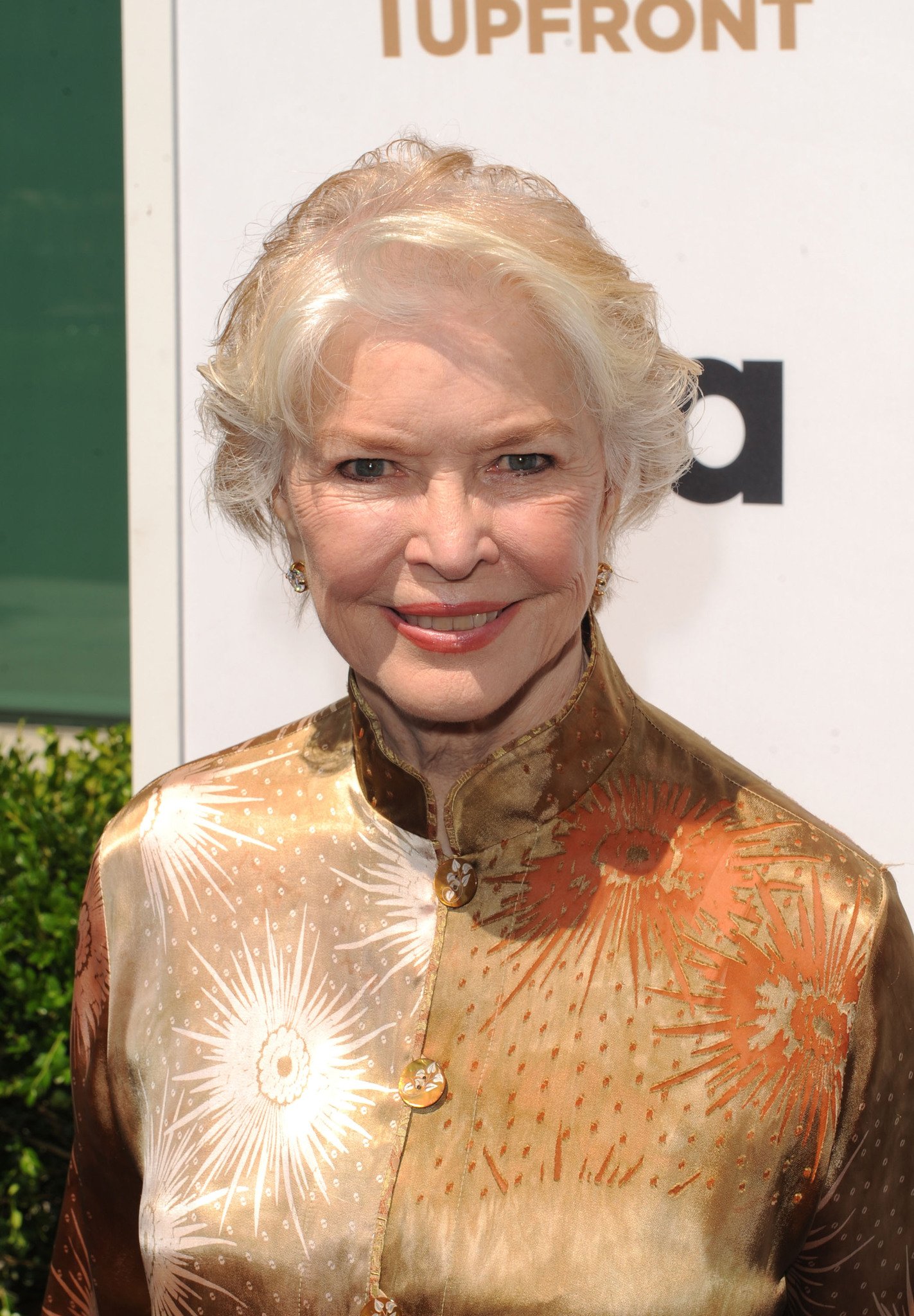
Marilyn Monroe remains at the center of a new short film directed by Maggie Gyllenhaal. Ellen Burstyn portrays an imagined 100-year-old Monroe in the 17-minute production. Dakota Johnson plays Monroe during her younger years, creating a story across different stages of her life. The film premiered at the Venice Film Festival on September 6.
The project imagines Monroe living into old age and reflecting on her extraordinary career. Gyllenhaal developed the story as both a tribute and an exploration of acting. However, the director gradually realized that the film also reflected Burstyn, Johnson, and herself. She said their experiences helped shape the fictional story surrounding Monroe.
The film follows Burstyn’s elderly Monroe as she arrives at a New York theater. She attends an audition and eventually delivers an emotional monologue about her remarkable life. The story combines fantasy with ideas about performance, identity, fame, and the pressures facing actresses. Meanwhile, Johnson’s younger Monroe provides another perspective on the character’s life.
For Burstyn, the role carried a particularly meaningful connection to Monroe. She had previously known someone who worked closely with the famous actress. Her former masseur, Ralph Roberts, also served as Monroe’s masseur and confidant. Through him, Burstyn heard personal stories about Monroe and gained additional insight into her private personality.
Burstyn recalled how Monroe could separate her public image from her private identity. According to Burstyn, Monroe sometimes moved through public places without attracting attention. However, she could deliberately adopt her famous persona whenever she wanted. Burstyn described that ability as part of Monroe’s understanding of movie-star image and performance.
In addition, Burstyn connected with Monroe through the Actors Studio and acting teacher Lee Strasberg. Monroe had studied with Strasberg before her death, while Burstyn later became part of the same acting community. That shared connection gave Burstyn another perspective while preparing for the unusual role.
Gyllenhaal also discovered a connection with Burstyn through their shared acting traditions. Although Gyllenhaal never attended traditional acting school, she studied under Penny Allen. Burstyn knew Allen because she had also studied with Strasberg’s circle. As a result, both actresses recognized similarities in their approaches to performance.
Gyllenhaal said working with Burstyn helped her understand the acting tradition more deeply. She realized that their conversations and creative process followed principles associated with the Actors Studio. Burstyn described their connection as coming from the same artistic tradition.
The relationship between the two actresses therefore became an important part of the project. Gyllenhaal initially selected Burstyn because she considered her an exceptional performer. She also believed the role could give Burstyn an opportunity to explore meaningful questions about acting and identity.
Meanwhile, Burstyn viewed the project through her own experience as a longtime actress. She explained that performers constantly balance personal authenticity with professional expectations. Actors often need to present different versions of themselves while remaining connected to their own identities.
That tension forms an important part of the film’s exploration of Monroe. Rather than simply recreating famous moments, Gyllenhaal imagines what Monroe might have experienced later in life. The unusual premise allows the filmmakers to examine fame through aging, memory, performance, and personal reflection.
Marilyn Monroe therefore serves as both the film’s central character and a symbol of the acting profession. Her image continues to influence performers and filmmakers decades after her death. Through Burstyn’s portrayal, Gyllenhaal presents a fictional version of Monroe that audiences never had an opportunity to see.
The film also connects three generations of performers through its unusual storytelling approach. Burstyn brings decades of acting experience to the older Monroe, while Johnson portrays her earlier years. Gyllenhaal then brings her perspective as an actress and director to the project.
Ultimately, the short film uses Monroe’s imagined future to explore questions about performance and identity. It also highlights the creative relationship between Burstyn and Gyllenhaal. Their shared connection to acting traditions became an unexpected element of the filmmaking process.
The Venice premiere introduced audiences to a fictional Monroe at an age she never reached. Through that imaginative approach, the production offers a different perspective on her enduring legacy. It also gives Burstyn and Gyllenhaal an opportunity to examine their own experiences through Monroe’s story.

