
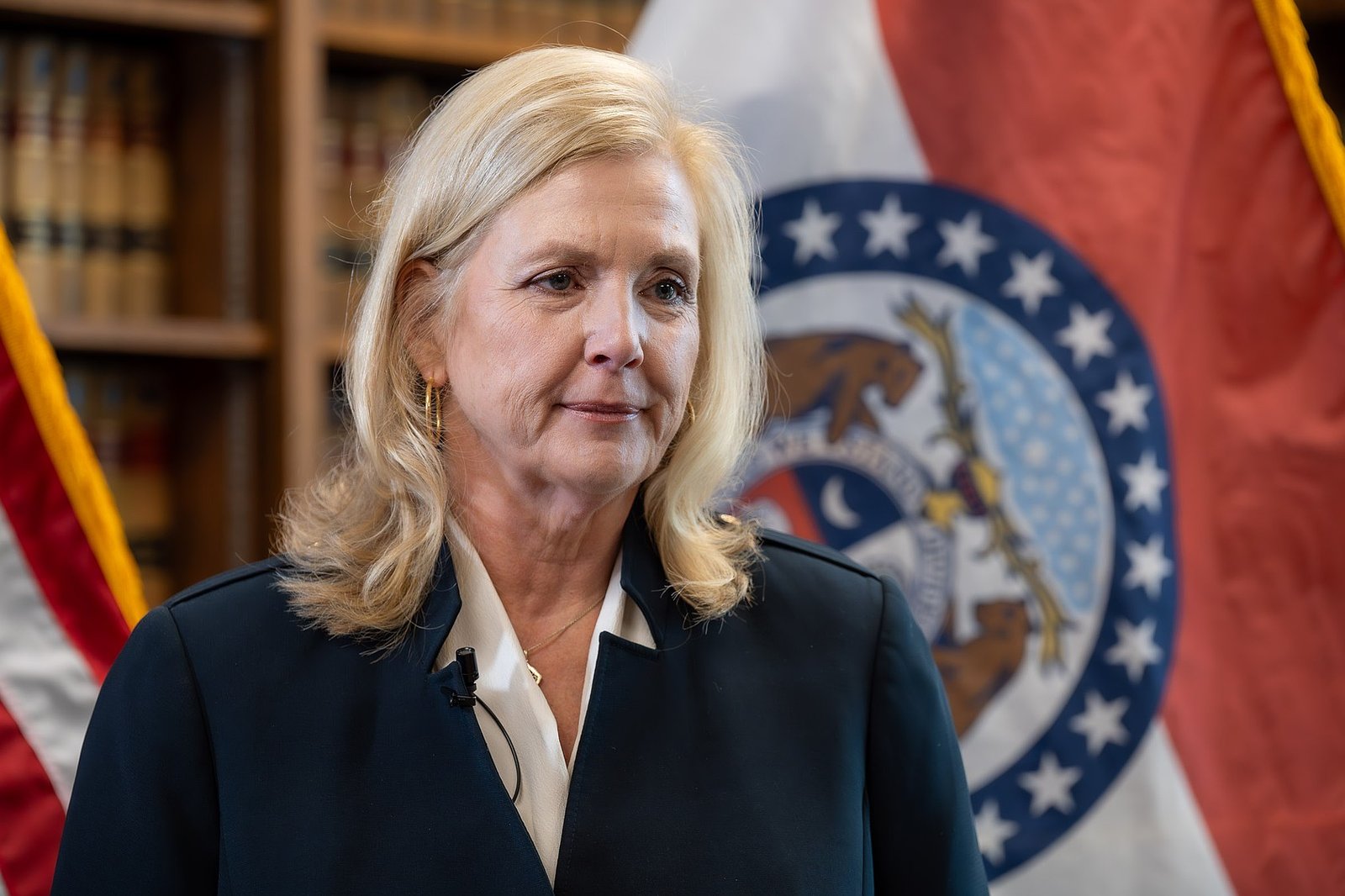
Missouri Redistricting has entered another legal phase after the state’s attorney general challenged a recent court decision. Attorney General Catherine Hanaway wants the U.S. Supreme Court to review the dispute. She argues that the decision creates uncertainty over which congressional districts should apply. Meanwhile, Missouri voters face a statewide referendum on the contested congressional map in November.
The dispute centers on a congressional map that could provide Republicans with another seat. Missouri’s highest court recently blocked implementation of that map for the general election. Instead, the court directed voters to decide whether the new boundaries should remain. The decision followed a petition effort that collected more than 300,000 signatures across Missouri.
The petition campaign sought to place the redistricting plan before voters during the November election. According to the court, the petition arrived within the required timeframe for a referendum. Therefore, the newly proposed districts could not take effect permanently before voters considered them. The ruling also created uncertainty because candidates already competed under those boundaries during August’s primary.
Missouri’s Supreme Court determined that the districts used after the 2020 census should return. Those boundaries would apply during the November general election unless the legal situation changes. However, Hanaway argues that changing district boundaries after a primary creates unusual circumstances. She said the situation could create difficulties for candidates, voters, and election officials.
Hanaway has asked the nation’s highest court to intervene and settle the dispute. She argues that state lawmakers hold constitutional authority over congressional district boundaries. At the same time, she says Missouri’s constitution provides similar authority to the state legislature. Her argument focuses heavily on voting rights and the consistency of election procedures.
The attorney general also questioned the effect of changing districts between elections. She argued that many voters participated in the primary under one set of boundaries. If officials use different districts during November, those voters could find themselves assigned elsewhere. Consequently, she believes the change could create confusion about representation and voting choices.
The legal disagreement has already prompted additional lawsuits involving candidates and the state. Some candidates argue that the court’s decision could affect voters’ representation. Hanaway described the situation as complicated because the primary already occurred under the disputed boundaries. Therefore, she believes the Supreme Court could resolve the uncertainty by maintaining the primary districts.
The proposed map also affects several congressional races across Missouri. One notable example involves Democratic Representative Emanuel Cleaver and his Kansas City district. The redrawn boundaries reportedly added areas that leaned more strongly toward Republicans. Hanaway highlighted Cleaver’s campaign activity while discussing the political consequences of the map.
However, the dispute involves more than potential changes in party representation. It also raises questions about when redistricting decisions should become effective. Furthermore, the case highlights tensions between voter referendums, legislative authority, and judicial decisions. Those issues could become important if the Supreme Court agrees to review the case.
Hanaway has emphasized that voters should receive consistent treatment throughout the election process. She argues that ballots cast during the August primary should retain their practical significance. From her perspective, using different districts later could undermine expectations established during that election. She therefore wants the same boundaries used during the primary to remain in place.
The situation remains unresolved as Missouri approaches the November general election. Voters will also face a statewide decision concerning the disputed redistricting plan. Meanwhile, the legal challenge could determine which congressional boundaries candidates will use. Until the courts settle the issue, uncertainty will continue surrounding several Missouri congressional contests.
The Missouri Redistricting dispute therefore combines constitutional questions with practical election concerns. State officials, candidates, and voters are waiting for further decisions about the congressional boundaries. The outcome could influence representation while also establishing guidance for future redistricting disputes. For now, the case remains focused on election rules, voting rights, and the authority to establish congressional districts.

