
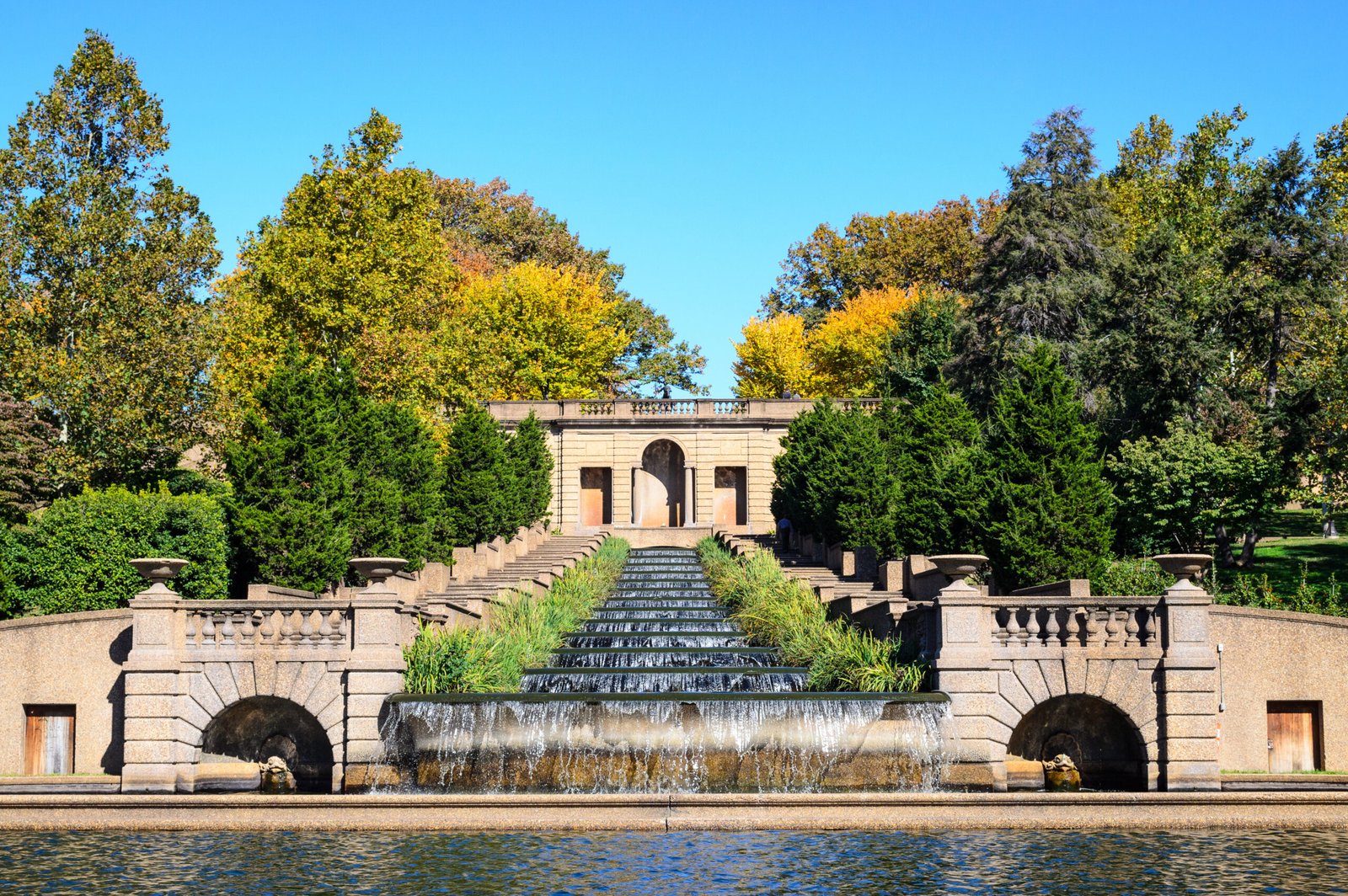
President Donald Trump has expanded his Washington Renovations campaign with new work at historic Meridian Hill Park. The project adds another prominent location to a broader effort across the capital. Officials have focused on restoring fountains, monuments, pools, and other public landmarks. Meanwhile, the administration continues preparations for the country’s upcoming 250th anniversary celebrations.
Meridian Hill Park, also known as Malcolm X Park, covers more than 11 acres in Northwest Washington. The National Historic Landmark recently completed extensive rehabilitation work after years of maintenance concerns. Its famous cascading fountain and lower plaza reflecting pool reopened to visitors earlier this year. As a result, residents and visitors can once again use several renovated areas.
Trump has highlighted the restoration effort while outlining his broader plans for Washington. His administration says the projects will improve public spaces and restore important landmarks across the District. The work also includes several statues, fountains, and memorials located throughout the nation’s capital. In addition, officials have connected many improvements with preparations for America 250 celebrations.
Several prominent memorials have already received repairs or restoration work during the campaign. Crews polished statues while repairing infrastructure at the Franklin Delano Roosevelt Memorial. Workers also completed repairs at the George Mason Memorial fountain after years without major maintenance. Furthermore, several fountains and pools received attention after extended periods without significant rehabilitation.
The administration has also advanced larger projects beyond routine maintenance and restoration. One proposal calls for a 250-foot memorial arch near Arlington Memorial Bridge. The planned structure would stand between the Lincoln Memorial and Arlington National Cemetery. However, the project still faces approval requirements and legal challenges from several opponents.
Trump has also pursued major changes at the Kennedy Center as part of his Washington agenda. Those plans involve leadership, programming, facilities, and changes to the surrounding public spaces. A large sculpture was also removed from the Kennedy Center grounds during the redesign. Meanwhile, the center’s board approved changes involving the building’s name and appearance.
Other proposals include a new ballroom at the White House and changes to East Potomac Park. Together, these projects demonstrate the administration’s broader interest in reshaping major public areas. However, not every renovation has proceeded smoothly since work began across Washington.
Meridian Hill Park experienced an issue after its cascading fountain reopened following rehabilitation. The water later became cloudy because sediment moved through pipes that had remained unused. Officials said the sediment resulted from water returning to infrastructure after years without operation. Consequently, the fountain required additional attention despite completing its major rehabilitation work.
The Lincoln Memorial Reflecting Pool has also experienced difficulties following its renovation. Problems have included algae growth and concerns involving the pool’s coating and liner. Those issues have added questions about the cost and effectiveness of some restoration projects. Nevertheless, officials continue describing the broader program as an effort to restore neglected public spaces.
The administration argues that improved landmarks can strengthen Washington’s appearance and public appeal. Supporters also point to long-delayed maintenance projects receiving attention under the current program. At the same time, critics have questioned the scale, costs, and priorities surrounding certain proposals. Therefore, the renovation campaign has generated both support and debate across the capital.
For Meridian Hill Park, the latest improvements represent another step in the administration’s larger Washington Renovations strategy. The park now joins numerous historic locations receiving repairs or upgrades across the District. Meanwhile, additional projects could further reshape Washington’s public spaces during the coming years. The administration’s approach continues to place visible restoration projects at the center of its capital agenda.

