
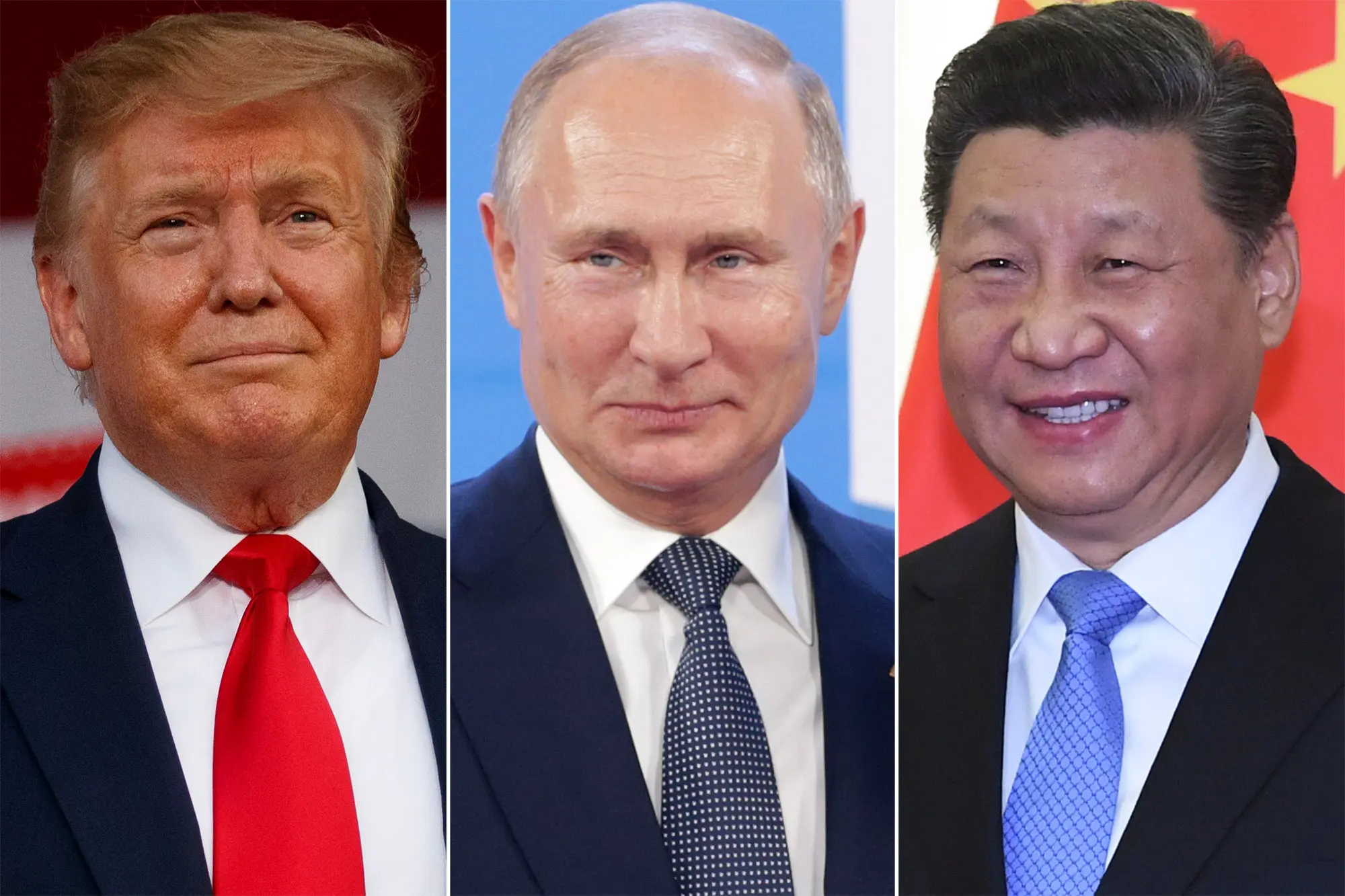
Russia has left the possibility of a Trilateral Summit with the United States and China open, although Moscow says major details remain unresolved. Russian Deputy Foreign Minister Sergei Ryabkov said officials must first establish what such a meeting would accomplish. He also indicated that Moscow needs greater clarity about the potential agenda before beginning formal preparations.
Ryabkov made the comments as discussions continued around a possible meeting involving Russian President Vladimir Putin, US President Donald Trump, and Chinese President Xi Jinping. Russian officials have previously suggested that the three leaders could meet during the Asia-Pacific Economic Cooperation summit in Shenzhen. The APEC gathering is scheduled to take place in China later this year and could provide an opportunity for high-level diplomatic discussions.
However, Moscow has not confirmed that the three presidents will actually hold a joint meeting. Instead, Russian officials have emphasized the need to determine the purpose and expected results before proceeding. Ryabkov said the central issue involves defining the substance of the meeting and understanding what the participating governments could achieve.
The potential Trilateral Summit would bring together leaders representing three of the world’s most powerful countries. Russia, the United States, and China all possess major military capabilities and significant economic influence. Therefore, a direct meeting could attract considerable international attention, particularly because relations among the three governments remain complicated.
US-Russia relations have remained tense because of the war in Ukraine and continuing Western sanctions against Moscow. At the same time, Washington and Beijing continue to compete across several important areas. Trade, advanced technology, military security, and influence across the Indo-Pacific remain major points of disagreement between the United States and China.
Nevertheless, all three countries maintain important economic and strategic interests that could encourage direct communication. Russia and China have expanded their economic relationship in recent years, particularly through energy cooperation. Moscow and Beijing have also increased diplomatic coordination while conducting military exercises together.
China, meanwhile, continues to describe its relationship with Russia as a comprehensive strategic partnership. However, Beijing maintains that it has not taken a direct side in the Ukraine conflict. Chinese officials have repeatedly promoted negotiations while maintaining diplomatic relations with both Moscow and other major international powers.
The possible Trilateral Summit could therefore create a rare opportunity for the three governments to discuss broader international issues together. However, significant differences would likely remain even if the leaders agree to meet. The Ukraine war, global trade disputes, technology restrictions, and security concerns could all complicate discussions.
APEC could provide a suitable setting because its meetings traditionally focus on economic cooperation and regional integration. Furthermore, major international gatherings often allow national leaders to hold separate discussions alongside the main summit. Such arrangements could make diplomatic meetings easier without requiring a dedicated international conference.
Russian officials previously raised the possibility of Putin meeting Trump and Xi during the upcoming APEC gathering. That suggestion created speculation about whether the three countries could establish a new channel for direct communication. However, officials have not confirmed any final schedule or detailed agenda for a presidential meeting.
For Moscow, the potential meeting could provide an opportunity to discuss Russia’s relationship with Washington and Beijing simultaneously. For Washington, direct engagement could offer another channel for addressing international security and economic concerns. Meanwhile, Beijing could use such discussions to emphasize its role in major global diplomatic issues.
Despite those potential benefits, preparations cannot move forward until the participating governments agree on the meeting’s objectives. Ryabkov’s comments indicate that Russia wants greater clarity before committing to detailed arrangements. Consequently, the possibility of a presidential gathering remains open but uncertain.
The Trilateral Summit could become significant if the three governments eventually agree on meaningful areas for discussion. However, expectations remain difficult to assess because officials have not publicly outlined specific goals. Any meeting would also need careful preparation because the countries have substantial disagreements across several strategic issues.
For now, Russia’s position suggests that Moscow remains willing to consider the proposal. At the same time, officials are avoiding confirmation until the agenda and potential outcomes become clearer. This approach leaves room for further diplomatic discussions while preventing premature expectations about a presidential meeting.
The coming months could determine whether the proposal develops into a formal diplomatic event. If officials reach agreement on the agenda, preparations could begin ahead of the APEC summit. Otherwise, the idea could remain under discussion without producing a confirmed meeting.
The Trilateral Summit proposal therefore remains possible, but substantial diplomatic work must happen before leaders can gather. Russia’s latest comments show openness while highlighting the need for clearer objectives. Ultimately, the United States, Russia, and China would need to agree on the meeting’s purpose before moving toward formal arrangements.