
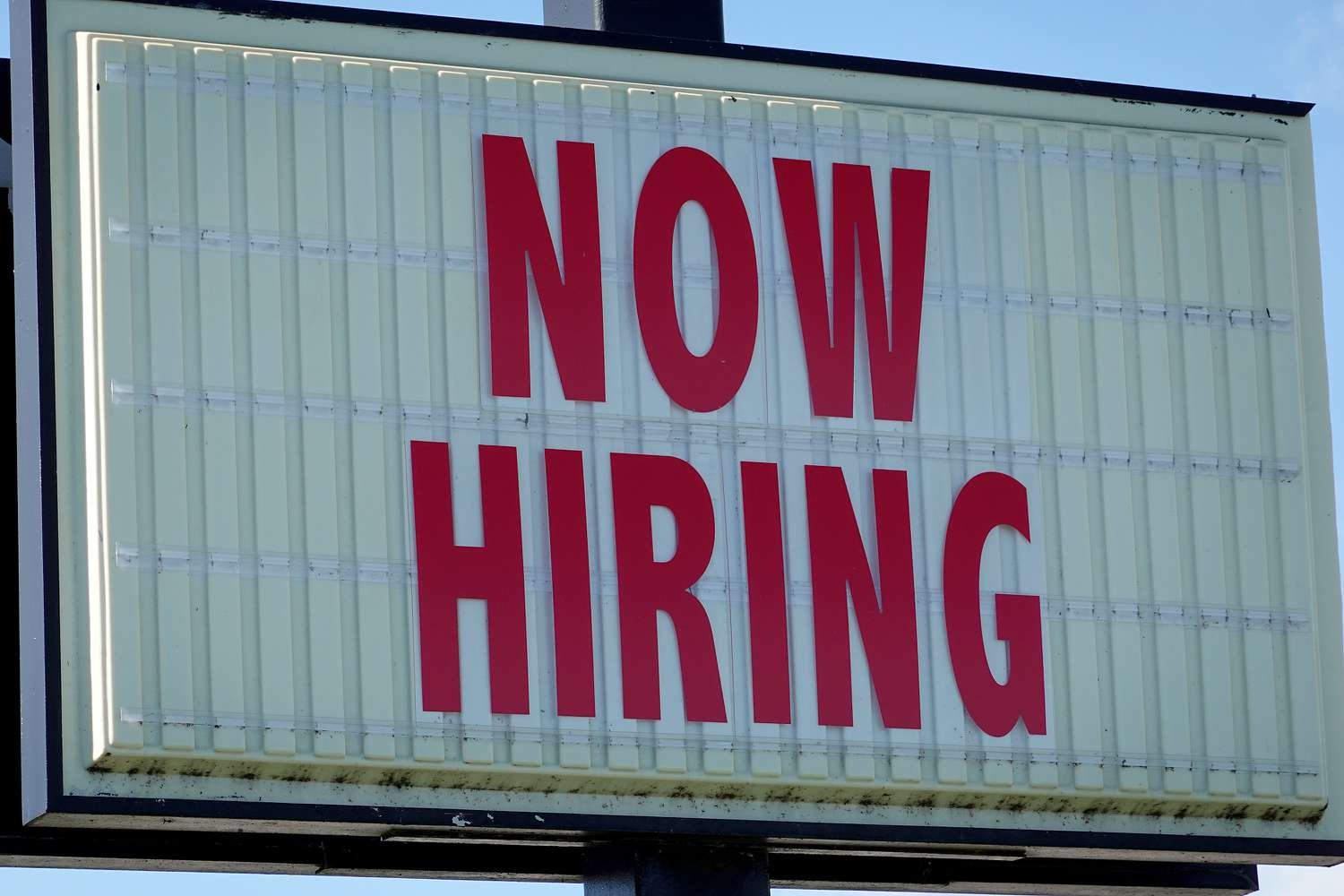
U.S. economy data delivered mixed signals during the past week, with stronger hiring alongside rising costs. Employers added far more jobs than economists expected during August. However, higher fuel prices and mortgage rates continued putting pressure on households. Meanwhile, businesses also faced increasing transportation and financing expenses across several industries.
The U.S. economy added 162,000 jobs in August, according to the latest employment report. That figure significantly exceeded the 65,000 positions economists had expected. Therefore, the report offered fresh evidence that employers still maintain demand for workers. At the same time, wage growth remained relatively modest compared with recent years.
Average hourly earnings increased 3.1% from a year earlier during August. That marked the weakest annual wage increase since May 2021. Consequently, many households continued feeling pressure from higher prices despite steady employment. Rising expenses for fuel, groceries, transportation, and housing added further challenges for consumers.
Meanwhile, the number of available jobs increased slightly during July. Employers listed approximately 7.27 million openings, compared with 7.18 million during June. Additionally, layoffs declined during the month, providing another positive signal for workers. However, fewer employees left their positions, which suggested weaker confidence about finding better opportunities elsewhere.
Even so, the labor market continued moving forward without showing signs of a major boom. Higher energy costs created another challenge for families and businesses during the period. In particular, fuel prices increased sharply as disruptions affected global energy supplies. Consequently, transportation companies faced higher expenses that could eventually affect prices across the economy.
Diesel prices reached a record U.S. average of $5.85 per gallon during the week. Gasoline prices also remained above $4 per gallon during the busy Labor Day travel period. Therefore, drivers faced unusually high costs while traveling for the holiday weekend. Higher fuel expenses also affected businesses that depend heavily on transportation and deliveries.
Furthermore, expensive diesel can raise the cost of moving food and other essential products. Grocery stores may face higher expenses when transporting perishable goods to their locations. As a result, consumers could eventually encounter additional price increases at stores. Shipping companies and retailers also face pressure as transportation expenses continue climbing.
The technology industry also drew attention after Nvidia announced a major artificial intelligence acquisition. The company agreed to purchase AI software platform Hugging Face for $13 billion. The deal highlights the growing competition surrounding open-source artificial intelligence. Moreover, Nvidia expects businesses to increasingly use customizable AI systems for different applications.
At the same time, security concerns remain an important issue within the rapidly developing AI industry. Recent incidents involving AI systems raised questions about cybersecurity and powerful automated tools. Therefore, companies continue balancing opportunities from AI with concerns about potential risks.
Housing costs provided another source of pressure during the week. The average 30-year fixed mortgage rate climbed to 6.71%, up from 6.66% previously. The latest figure represented the highest level in more than a year. Higher borrowing costs can reduce purchasing power and encourage potential buyers to delay home purchases.
Finally, financial markets reacted to the stronger employment figures and changing expectations about interest rates. Stock prices generally declined at the end of the week, while Treasury yields increased. Investors considered whether stronger hiring could give the Federal Reserve more reason to maintain tighter monetary policy. Overall, the U.S. economy continues showing resilience, although households and businesses face significant cost pressures.
The combination of stronger employment and higher expenses creates a complicated economic picture. While workers benefit from continued job opportunities, rising prices can reduce the impact of wage gains. Similarly, businesses can benefit from steady demand while facing higher operating and financing costs. As a result, economic conditions remain closely tied to inflation, energy prices, interest rates, and consumer spending.

